Chair pads look simple until bulk production exposes the hidden details.
Importers should confirm chair type, finished size, fabric route, filling, tie placement, non-slip backing, packaging and realistic bulk tolerance before sampling custom chair pads. A good supplier should help turn a chair photo into a complete OEM specification.
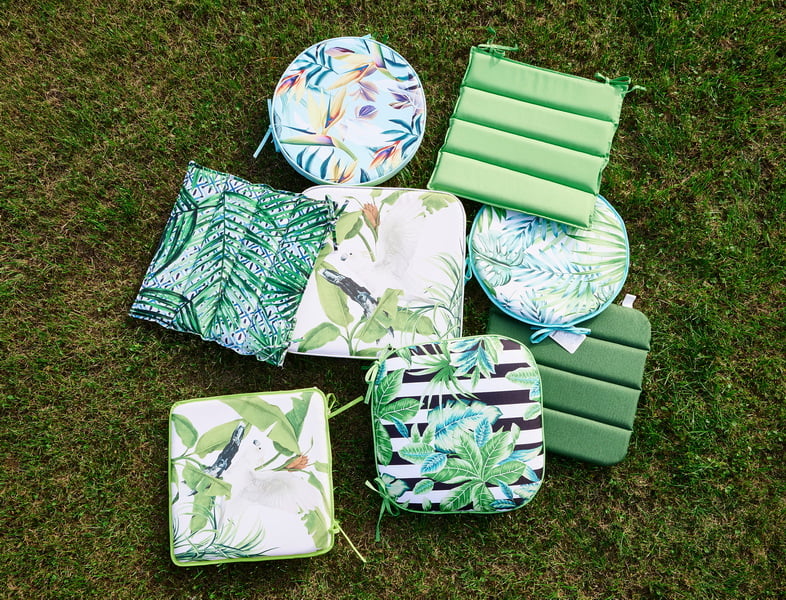
Many buyers send a chair pad photo and ask for a quick quote. I understand why. A chair pad looks like a small product. But the product touches fabric, foam, sewing, comfort, chair fit, packaging and retail display. If one of these details is wrong, the buyer may not notice it at sample stage. The consumer will notice it after using the product for one season.
For importers comparing suppliers, the safest next step is to use a clear custom chair pads manufacturer page and build the sample request from the real chair, the real use scene and the target market.
What information should buyers send before a chair pad sample?
Buyers should not start with price alone.
Before sampling, buyers should send the chair dimensions, use scene, target market, fabric preference, quantity, packaging request and color reference. These details help the manufacturer control fit, cost, MOQ and retail quality.
The sample brief should reduce guessing
The most common sampling mistake is that the buyer sends only a photo. A photo can show style, but it cannot confirm finished size, thickness, corner shape, tie position or packing method. For chair pads and patio seat pads, I normally want to see the chair structure first. A dining chair, bistro chair, wicker chair, folding chair and bench seat need different fixing details.
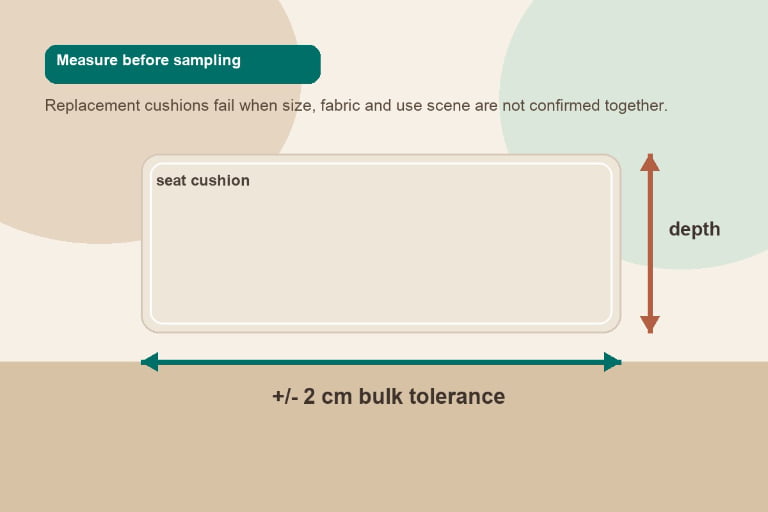
In bulk production, a realistic size tolerance is usually around +/- 2 cm. That does not mean the factory can be careless. It means buyers should define which dimensions are critical and which dimensions can accept normal textile tolerance. The more shaped the chair pad is, the more important this becomes.
| Sample information | Why it matters | What to send |
|---|---|---|
| Chair type | Controls shape, ties and thickness | Chair photo, frame size, seat depth |
| Finished size | Controls fit and carton plan | Length, width, thickness, corner radius |
| Use scene | Controls fabric and coating | Patio, poolside, balcony, cafe, resort |
| Quantity | Controls MOQ and fabric route | Trial order, repeat order, launch plan |
| Packaging | Controls retail display and cost | Polybag, belly band, hangtag, carton mark |
If the buyer is still comparing chair pads and thicker cushions, this older guide may help: Chair Pads vs Seat Cushions.
How should importers choose fabric for outdoor chair pads?
The fabric route should follow the use scene.
For patio chair pads, polyester and Oxford fabric are common routes. For poolside or heavier outdoor use, buyers should pay more attention to color fastness, coating stability and chlorine exposure.
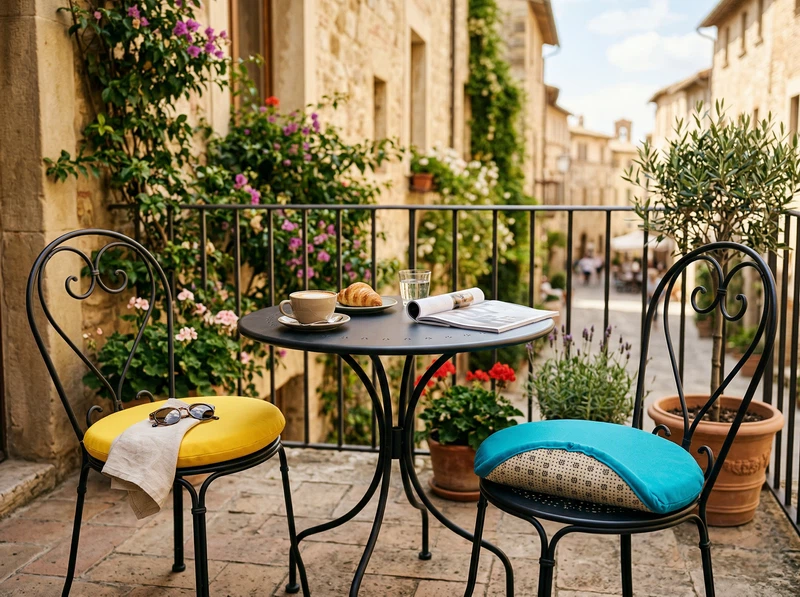
The word outdoor is not specific enough
Many buyers ask for outdoor fabric, but outdoor use is not one single condition. A covered patio is different from a poolside area. Pool water can contain chlorine, and chlorine can make weak color fastness problems appear faster. Sunlight, wet storage and cleaning habits also change the risk level.
This is why I do not like a supplier who only says waterproof or outdoor grade without explaining the route. Water repellent, waterproof, coated, quick dry and anti-mildew are different decisions. A chair pad can fail because the fabric fades, because the backing traps moisture, or because the filling does not dry well. The buyer needs the supplier to explain which risk is being solved.
| Use scene | Common fabric direction | Main risk to control |
|---|---|---|
| Covered patio | Polyester, printed polyester, Oxford | Sun fading and hand feel |
| Poolside | Oxford or stronger coated route | Chlorine, wet use and color fastness |
| Cafe and retail | Durable polyester or Oxford | Abrasion and cleaning |
| Resort or hospitality | Higher-grade outdoor route | Repeat use, washing and brand image |
When a buyer wants low MOQ, existing fabrics can make the project more practical. Custom fabric or custom print can still work, but the MOQ and cost logic must be clear.
What filling and thickness should custom chair pads use?
Comfort is a tradeoff, not one fixed answer.
Chair pads can use sponge, polyester fiber, PP cotton, mixed filling, removable inserts or quick-dry foam. Buyers should choose by comfort level, drying speed, recovery, price point and packaging method.
Filling decides the real user experience
A thin dining chair pad should not feel like a thick sofa cushion. A thick patio seat cushion should not collapse after a few uses. This sounds simple, but many after-sale problems start here. If the filling is too soft, the product looks comfortable in the photo but becomes flat in use. If the foam is too hard, the buyer may get fewer complaints about collapse but more complaints about comfort.
For outdoor use, moisture behavior matters. If water enters through seams and cannot leave, mildew risk rises. This is why some buyers should consider removable covers, breathable backing or quick-dry foam. These options cost more, so they should be matched to the retail channel. A low-cost promotional chair pad and a premium patio replacement cushion should not use the same filling route.
| Filling route | Strength | Tradeoff |
|---|---|---|
| Sponge / foam | Stable shape and support | Needs correct density and drying plan |
| Polyester fiber | Softer hand feel and lower weight | Can flatten if packed or used heavily |
| PP cotton | Puffy look and lower cost route | Less structured support |
| Quick-dry foam | Better wet-use control | Higher material cost |
| Removable insert | Easier cleaning and replacement | More sewing and zipper details |
For buyers building a wider cushion program, this connects well with our custom outdoor cushions page.
Which construction details cause bulk complaints?
Small parts decide whether the chair pad survives the season.
The most common chair pad quality risks are weak ties, wrong tie placement, poor seam reinforcement, unstable foam recovery, fading, mildew, zipper problems, loose stitching and packaging damage.
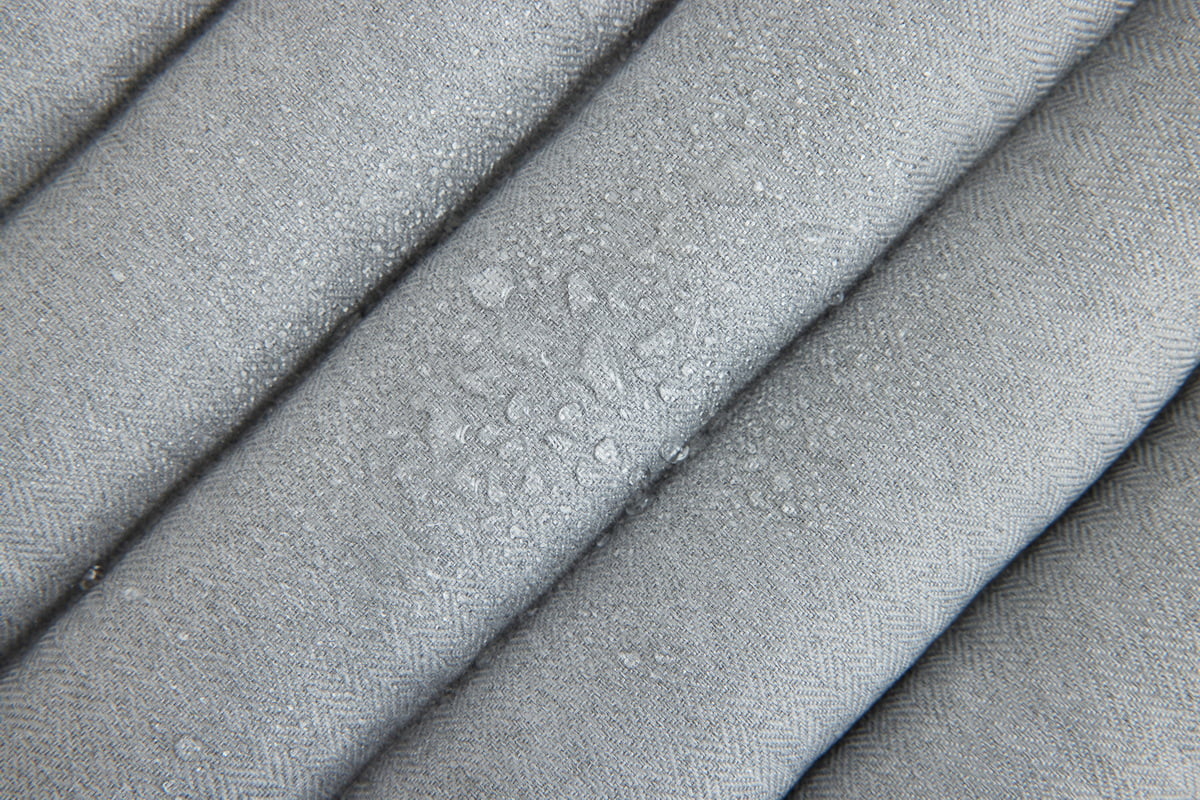
A good sample should be tested like a bulk product
In my view, the sample should not only be pretty. It should answer the questions that will appear in bulk. Can the tie handle repeated pulling? Does the corner shape fit the chair? Does the pad move on the seat? Does the backing match the chair surface? Does the package crush the filling? Does the color route match the outdoor use scene?
Buyers often think the problem is price. The real problem is unclear specification. Low MOQ and low price do not always fit together. A low MOQ project may need available fabric, controlled color options and simple packaging. If the buyer asks for a very low MOQ, a fully custom fabric, complex packaging and a low price at the same time, the project becomes risky. A professional supplier should explain the limit early instead of promising everything.
| Risk point | What to check before bulk | Why it matters |
|---|---|---|
| Tie placement | Test on the real chair frame | Prevents slipping and twisting |
| Bartack and seam | Pull test stress points | Reduces tie and seam failure |
| Fabric color | Check use scene and color fastness | Reduces fading complaints |
| Filling recovery | Compress and release sample | Protects comfort and appearance |
| Packing | Review folded size and carton plan | Reduces deformation and shipping damage |
This is also why buyers should read outdoor cushion buying mistakes before finalizing a new outdoor seating SKU.
How can chair pads become part of a profitable patio collection?
A chair pad can be a single SKU, but it can also support a full patio line.
Chair pads become more valuable when they connect with outdoor cushions, bench pads, pillows, table textiles, puffer blankets and bean bags in a coordinated patio collection. This gives buyers stronger display value and clearer brand identity.
Collection planning can raise the buyer's average order value
I usually prefer a small coordinated collection over many unrelated products. A buyer can start with one color family or one print story and extend it into chair pads, cushions, pillows and patio add-ons. This helps the retail display look intentional. It also reduces the risk of mismatched colors from different suppliers.
The hard part is control. Different products may need different fabrics, fillings and sewing methods. But the visible color direction, trims, packaging and brand language should still feel consistent. If a buyer uses one supplier for chair pads and another supplier for cushions, the same green may not look the same. Dye lot, printing route, water quality and fabric hand feel can all create differences.
| Collection route | Best buyer type | Control point |
|---|---|---|
| Chair pads + cushions | Patio retailers and importers | Fabric and color direction |
| Chair pads + bench pads | Garden and outdoor living stores | Size and packing consistency |
| Chair pads + table textiles | Seasonal lifestyle brands | Pattern scale and retail story |
| Chair pads + blankets | Gift, stadium and patio programs | Fabric route and usage scene |
If the buyer wants a complete route, the Outdoor Patio product hub and Outdoor Patio Living solution are the better starting pages.
Which LISO page should importers use next?
If the buyer is ready to sample, the most direct page is the Custom Chair Pads Manufacturer page. It keeps the commercial decision focused on chair pad formats, MOQ, fabric, filling, branding, packaging and OEM sample planning.
For replacement cushion projects, buyers can also compare the replacement outdoor cushions sampling checklist. The two pages should work together because many importers source chair pads and replacement cushions in the same outdoor seating program.
Conclusion
Custom chair pads should be sampled from real chair data, real use scenes and clear bulk-quality checks.
My Role
I help buyers turn a small seating idea into a practical outdoor textile product line. I care about price, but I care more about the hidden details that protect repeat orders.