Managing a wholesale business gets harder every year when retail margins keep shrinking. You see more competitors fighting for the same low-value orders, and it becomes difficult to build a business with stable profit.
From my perspective, hotels and resorts offer a much better opportunity that many suppliers still overlook.
Sustainable beach bag and towel sets for hotels are high-value B2B hospitality products designed for resort branding, guest experience, and recurring procurement. Suppliers that can offer integrated production, precise Pantone color matching, and premium embroidery are in a much stronger position to win long-term contracts from luxury resorts and boutique hotels.
I have spent a long time studying different B2B niches in the textile industry, and the hotel sector stands out for one important reason: these buyers usually do not want a single item. They want a complete, reliable solution that reflects their brand and makes guests feel special.
If you want to grow beyond low-margin retail competition, this is one of the most practical markets to focus on.
Why Do Hotels Prefer Sustainable Beach Bag and Towel Sets Instead of Single Products?
Many suppliers still approach the hospitality market with the wrong mindset. They offer only a bag, only a towel, or only a small accessory. But hotel buyers do not want to manage three different vendors just to create one guest experience.
Hotels prefer sustainable beach bag and towel sets because complete bundles simplify procurement, reduce logistics stress, and create a more premium experience for guests.
In my experience, this is one of the biggest differences between retail and hotel B2B. If you only sell a beach bag, the hotel manager still needs to find a towel supplier, then make sure the colors match, then coordinate packaging, then deal with possible quality differences. Most buyers would rather skip that extra work and choose a supplier who can handle everything together.
That is why I always recommend a “set” mentality instead of a “single-item” mentality.
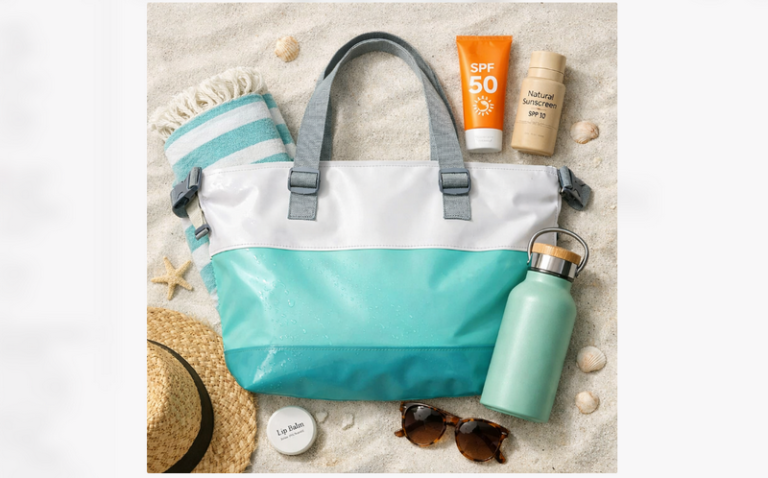
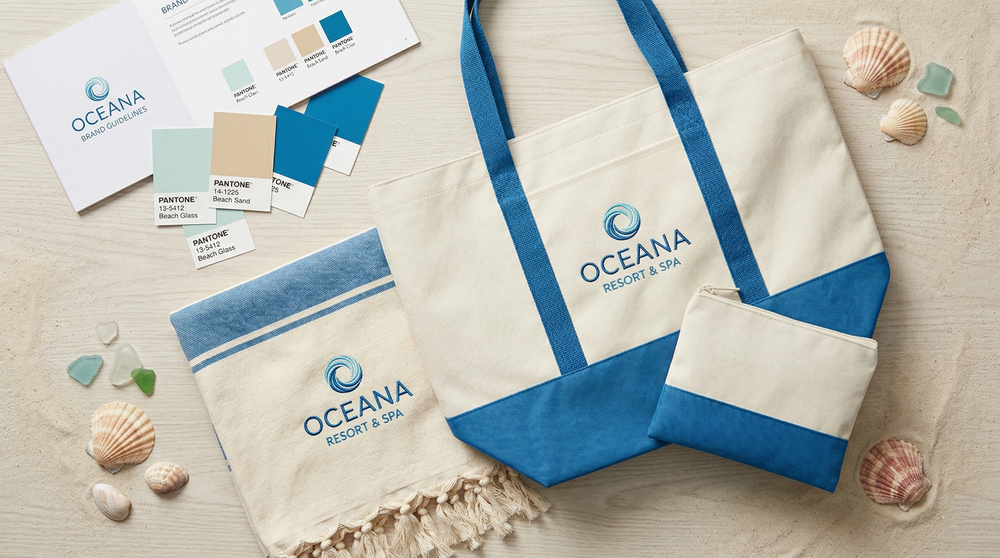
A five-star resort does not want to hand guests random products. They want a coordinated package. A guest may walk into the room and find a sustainable rPET beach bag with a matching organic cotton or bamboo towel inside. Some hotels may also add a small pouch for sunscreen, sunglasses, or personal items. When you provide the complete set, you are no longer selling just a product. You are offering a hospitality solution.
This creates a strong competitive advantage for the supplier:
- You control quality across every component
- You make approval easier for the buyer
- You reduce sourcing complexity
- You increase perceived value
In other words, you move away from commodity pricing and closer to partnership selling.
| Feature | Retail Buyer Needs | Hotel B2B Needs |
|---|---|---|
| Product Scope | Single items for personal use | Full sets (Bag + Towel + Pouch) |
| Materials | Any trendy fabric | Certified sustainable materials such as rPET or organic cotton |
| Packaging | Individual retail packaging | Bulk guest-ready presentation |
| Supply Chain | Multiple sources are acceptable | One-stop sourcing for consistency |
| Price Focus | Lowest unit price | Value, brand fit, and guest experience |
Can Your Factory Meet the Branding Standards of Luxury Resorts?
A hotel order is not just about function. It is also about brand presentation.
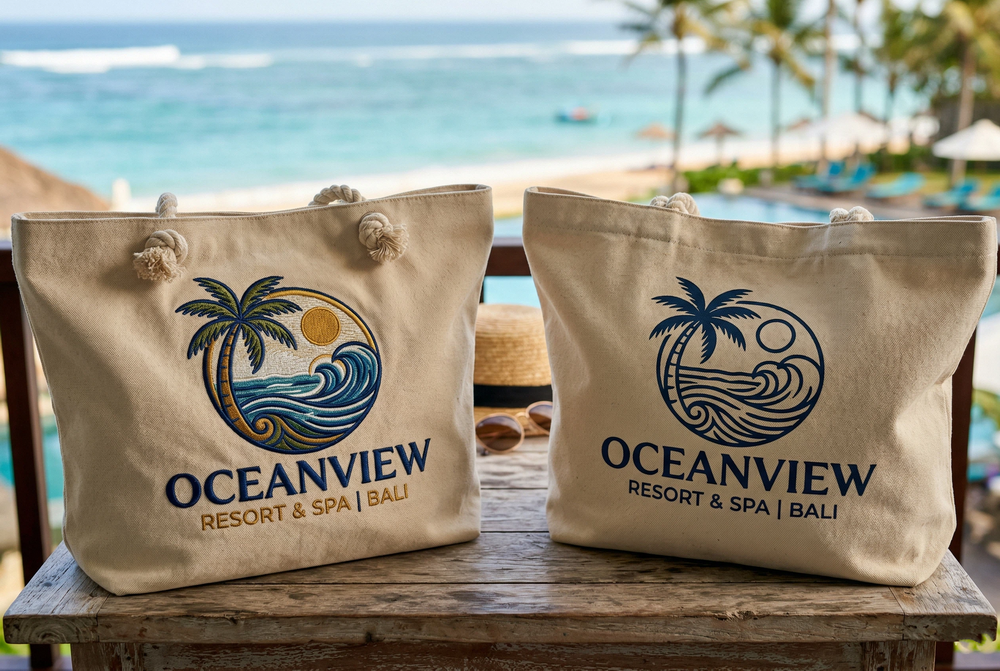
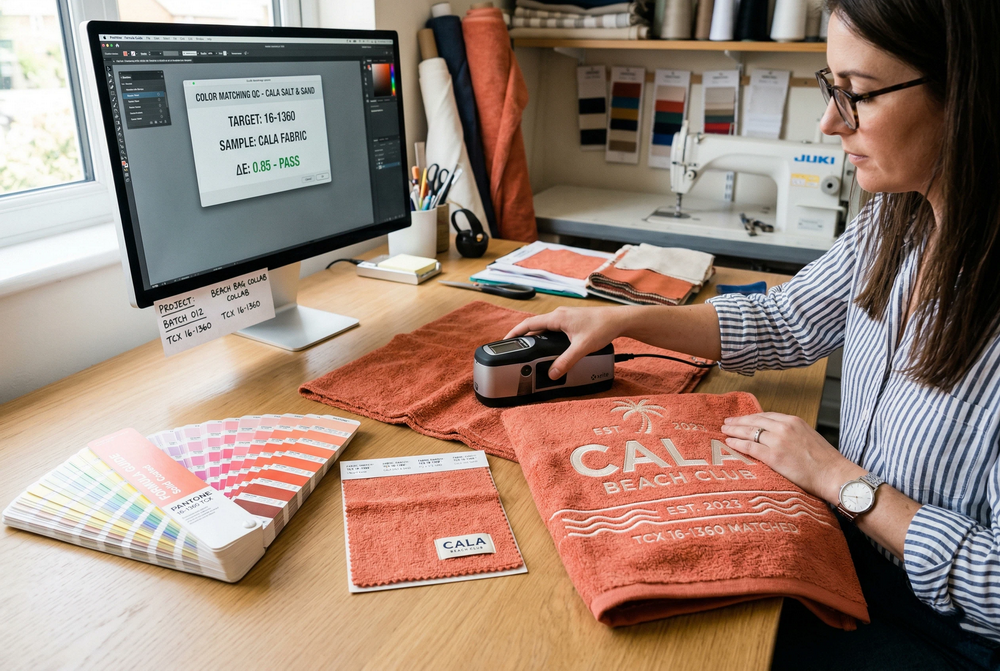
Luxury resorts usually require exact Pantone color matching and high-quality embroidery because their branding standards are strict, global, and non-negotiable.
I have seen many suppliers lose large hotel orders because their color was “close enough.” In luxury hospitality, that is not good enough. Major hotel groups invest heavily in brand identity. If the official brand color is a specific ocean blue, the bag fabric, towel trim, embroidery thread, and accessory details all need to align with that brand language.
This is where many factories fail. They rely on stock fabrics and hope the client will accept an approximate shade. A professional procurement team will not. They often compare samples against internal brand guidelines, and inconsistency immediately raises concerns about professionalism and production control.
If you can offer custom dyeing or fabric development based on Pantone references, you already stand above a large part of the market.
Branding quality is equally important when it comes to logos.
Cheap promotional bags often use silk-screen printing, but that method can fade, crack, or peel after exposure to sun, saltwater, and repeated washing. That may be acceptable for a short campaign, but it is not acceptable for a luxury resort experience.
This is why premium hotels often prefer embroidery:
- It looks more refined
- It feels more premium
- It lasts longer
- It supports a stronger luxury perception
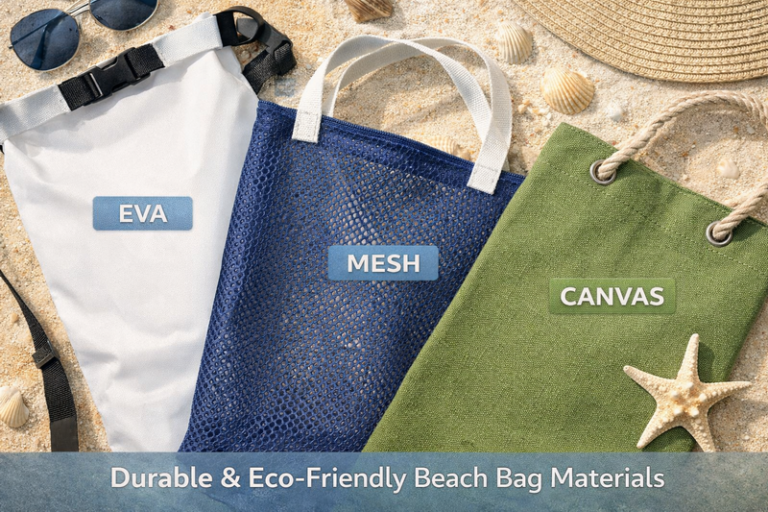
If your factory can produce clean, high-density embroidery on sustainable fabrics like recycled canvas, cotton canvas, or mesh, that capability becomes a major sales advantage. At that point, you are not just selling a branded item. You are helping the hotel protect its brand image.
| Branding Method | Durability | Brand Perception | Best Use Case |
|---|---|---|---|
| Silk-Screen Print | Low | Budget / Casual | One-time promotions |
| Heat Transfer | Medium | Standard | Colorful graphic designs |
| Embroidery | High | Premium / Luxury | Hotel and resort branding |
| Pantone Color Matching | Essential for consistency | Professional | Multi-location brand identity |
Why Is the Hotel Market Better for Recurring B2B Revenue?
One of the hardest parts of wholesale is constantly chasing new customers. Many retail buyers only care about trends, low prices, and short-term demand. Hotels behave differently.
The hotel market offers stronger long-term value because resorts regularly replace guest-use beach products and often reorder from suppliers they already trust.
This matters a lot.
When a hotel orders hundreds of beach bags and towels, those products are used intensively. Guests bring them to the pool, the beach, spa areas, and excursions. Over time, even high-quality products face wear from sun, salt, washing, and repeated use. Hotels cannot allow these items to look old or faded for too long, especially when they want to maintain a premium guest impression.
That creates a predictable replacement cycle.
In many cases, beach sets are refreshed annually or seasonally depending on the property standard and guest volume. From a B2B perspective, this is one of the most attractive characteristics of the hospitality market. Once your factory is verified and your first order performs well, the buyer has much less incentive to search for a new supplier next time.
Re-sourcing takes time. Vendor approval takes effort. Sample development costs money. Procurement teams usually prefer reliable continuity.
That means one successful order can become a repeat business relationship.
To me, this is the real value of the niche. You are not fighting for random one-time transactions. You are building an account that may continue ordering year after year.
| Search Intent | Buyer Type | Business Value |
|---|---|---|
| Sustainable beach bag | General consumer | High competition, low loyalty |
| Custom hotel beach bags | Hotel procurement | Specific needs, higher order value |
| Wholesale resort towel sets | Distributor / hospitality buyer | Bulk volume and repeat potential |
| Branded beach bag sets for resorts | Premium hospitality buyer | Strong fit for long-term supplier relationships |
What Should Hotels Look for in a Sustainable Beach Bag and Towel Set Supplier?
In my view, hotel buyers usually get the best results when they work with suppliers that can handle more than manufacturing alone.
A strong supplier for sustainable beach bag and towel sets for hotels should be able to offer:
- Integrated production for bags, towels, and related accessories
- Sustainable material options such as rPET, organic cotton, or bamboo-based textiles
- Pantone color matching for consistent brand presentation
- Embroidery capability suited to premium hospitality branding
- Stable quality control across repeat orders
- Flexible packaging solutions for guest-ready or bulk delivery needs
- Reliable communication and sampling support during development
These capabilities reduce risk for the buyer and increase your value as a long-term partner.
FAQ: Sustainable Beach Bag and Towel Sets for Hotels
Why do hotels prefer beach bag and towel sets instead of buying separately?
Hotels usually prefer complete sets because bundled products simplify sourcing, improve consistency, and support a better guest experience. One supplier managing the full set reduces coordination problems and makes procurement more efficient.
Why is Pantone color matching important for hotel orders?
Pantone color matching helps hotels keep brand identity consistent across bags, towels, and accessories. This is especially important for luxury hotel groups that use strict brand guidelines across multiple properties.
Why is embroidery better than printing for resort branding?
Embroidery generally offers better durability and a more premium appearance than standard printing. It is better suited to luxury hospitality branding because it holds up well under repeated use and reinforces a higher-end image.
Are hotel orders really recurring?
Yes, in many cases they are. Hotels and resorts frequently replace beach-use products because of regular wear, seasonal refreshes, and guest experience standards. Once a supplier is approved and performs well, repeat orders are much more likely.
Conclusion
If you want to move away from intense retail competition and low-margin wholesale orders, the hospitality sector deserves serious attention.
From what I have seen, suppliers are most likely to win in this space when they focus on three things:
- Complete sustainable beach bag and towel sets
- Premium branding through Pantone matching and embroidery
- Long-term recurring value for hotel procurement teams
That combination changes your position in the market. You are no longer just offering products. You are offering a complete branded solution that helps hotels improve guest experience while simplifying procurement.
For suppliers who can deliver this well, the hotel and resort market can become one of the most stable and profitable B2B channels in the textile industry.