A buyer can visit ten factories in one week. Most products start to look the same. Then one package makes her stop.
Packaging wins B2B deals1 when it does more than look attractive. It must support the buyer’s values, reduce end-consumer doubt, and add clear use value. In soft goods OEM2 sourcing, strong packaging can turn a similar product into a safer, easier, and more sellable choice.
Last week, an important customer from New Zealand visited our factory. To be honest, I thought the visit might not change much. Many of her orders had already gone to other factories. She had a sourcing plan3. She had existing choices. She had already made decisions before she walked into our showroom.
Then we brought out our product and packaging.
The mood changed.
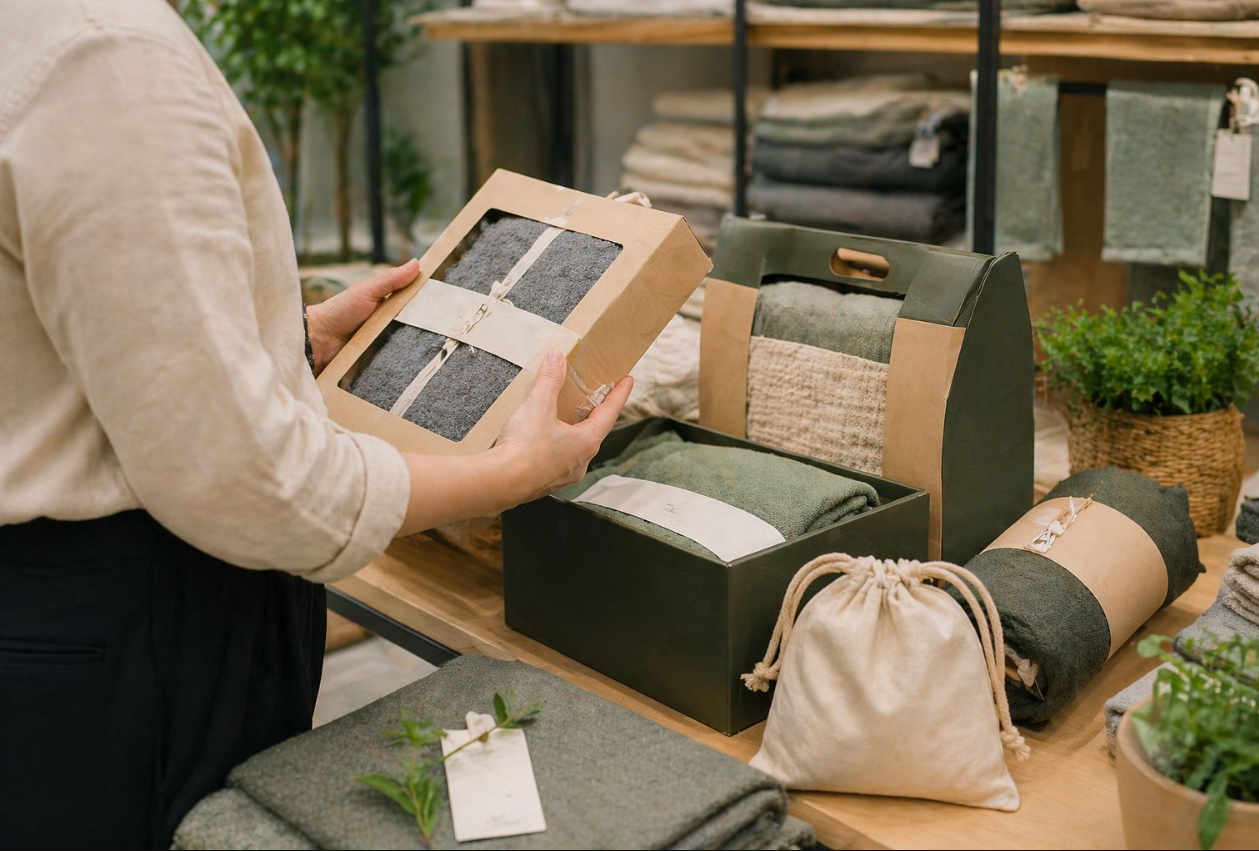
She did not only touch the product. She looked at the packaging again and again. She opened it. She held it. She imagined it in retail. She imagined the end consumer seeing it on a shelf, receiving it at home, and taking it outside. The packaging was not just a cover. It became part of the product story4.
That moment reminded me of something I have learned in OEM business. A buyer does not only buy what we make. A buyer buys the confidence that her customer will understand the value fast. If the packaging helps the end consumer feel, “This product must be good,” then the buyer has less risk. That is why packaging can change a deal.
The Visit That Almost Didn't Matter — Until She Saw the Packaging?
A factory visit can feel formal. The buyer sees samples. The supplier explains quality. Then one small detail can suddenly change the whole decision.
The visit changed because our packaging made the product easier to believe in. The customer saw that the package carried beauty, eco value5, consumer trust6, and extra function. It gave her a new reason to place orders with us.
When our New Zealand customer arrived, I knew we needed to be careful. She was important to us. She also had many orders already placed with other factories. That meant we were not starting from a blank page. We were trying to win space inside a plan that already existed.
At first, the visit felt normal. We showed our soft goods. We explained the workmanship. We talked about material, production, and lead time. These things matter. But they are also things every serious factory talks about.
Then we showed the product together with its packaging. That was the turning point.
Why did the packaging change the conversation?
The packaging gave the buyer a picture of how the product could be sold. It helped her see the product not as one more OEM item, but as a finished retail solution.
| What the buyer saw | What it meant in her mind | Why it helped the deal |
|---|---|---|
| Clean and attractive design | The product feels premium | Easier to sell at a better value |
| Eco-friendly direction | It fits modern retail expectations7 | Lower risk for serious buyers |
| Strong match with the product | The product feels well planned | Higher trust in quality |
| Multi-use function | The packaging is not waste | More value for the end consumer |
I watched her reaction carefully. She was not only saying it was pretty. She was connecting it with her market. She could imagine her customer bringing the package to the beach and using it alone. That detail was powerful because it made the packaging part of daily life.
In B2B sales, we often think the buyer is only comparing cost, MOQ, and delivery. Those points matter a lot. But the buyer is also asking a quiet question: “Will my customer want this?” Good packaging answers that question before anyone says it out loud.
Why "Beautiful" Is Never Enough: The 3-Layer Framework Behind Packaging That Converts?
Beautiful packaging can get attention. But attention is not enough. Buyers need packaging that also builds trust and supports a clear retail reason.
Packaging converts when it works on three layers at the same time: visual appeal, eco value5, and consumer psychology8. Beauty makes people notice it. Eco value makes buyers accept it. Psychology makes consumers believe the product is worth choosing.
I used to think packaging design9 started with appearance. I still believe appearance matters. A product must look good enough to stop people. But beauty alone is weak. A beautiful package can still feel empty if it has no value behind it.
In this case, our packaging worked because it had three layers. The first layer was beauty. The design looked clean, modern, and suitable for the product. The second layer was eco value5. The buyer could connect it with her retail market and consumer expectations. The third layer was consumer psychology8. The package made the product feel more trustworthy before the customer even used it.
The 3-layer framework I now use
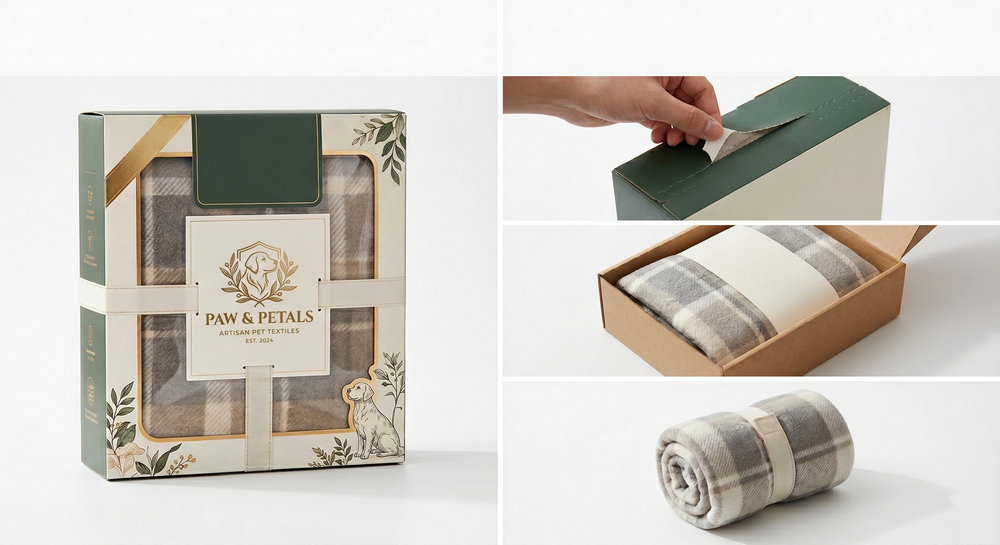 I see packaging like a bridge between factory logic and consumer logic. Factories often talk about production. Consumers often feel value through small signals. Buyers stand in the middle.
| Layer | Simple question | What it does |
|---|---|---|
| Beauty | Does it attract attention? | It creates the first stop |
| Eco value | Does it fit buyer values? | It helps pass the sourcing filter10 |
| Psychology | Does it make the product feel better? | It increases purchase confidence |
| Function | Can it be used beyond the first sale? | It adds clear value |
Beauty is the surface, but it is not shallow. It gives the first signal. Eco value gives the buyer a reason to defend the choice. Consumer psychology gives the end customer a reason to trust the product. Functional design gives everyone a reason to remember it.
This is why I do not see packaging as decoration. I see it as a sales tool. It reduces doubt. It tells the buyer that we understand more than production. It tells her that we understand retail. It also tells her that we understand the end consumer.
That is a very different message from “our packaging looks nice.”
Eco Packaging Isn't a Trend — It's a Sourcing Filter for Serious Retail Buyers?
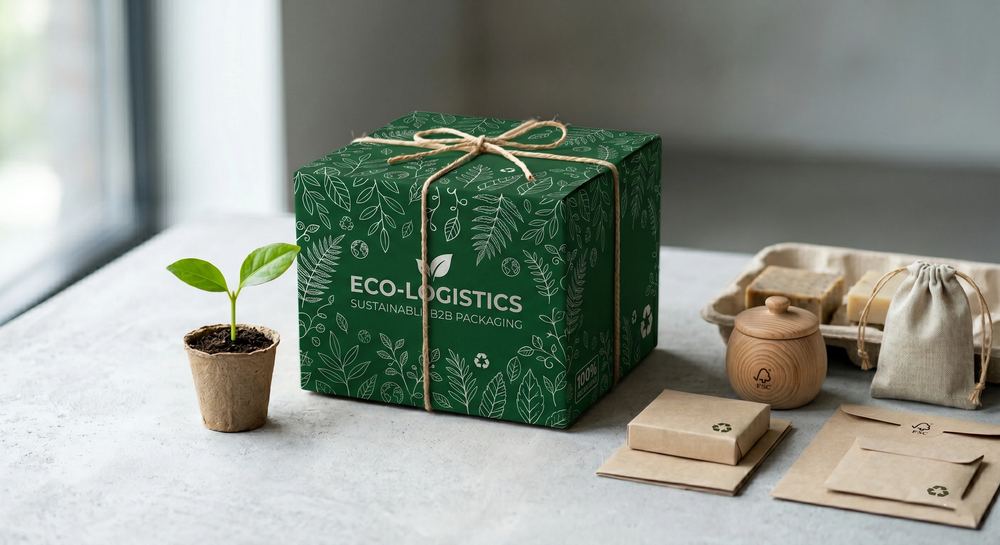
Eco packaging is not only a marketing topic now. For many serious retail buyers, it is part of how they decide which supplier is worth attention. Eco packaging helps B2B buyers meet market expectations11, protect brand image12, and reduce waste concerns. It works as a sourcing filter10 because serious buyers want products that match both retail demand and their company values.
When I say eco packaging, I do not mean we should only put a green icon on the package. That is not enough. Buyers are smart. Consumers are also becoming smarter. They can feel when a supplier is only using eco language as decoration.
For our New Zealand customer, the eco direction was important because her market cares about outdoor life13, beach use, nature, and practical daily value. If the packaging feels wasteful, it fights against the product story4. If the packaging feels reusable and responsible, it supports the story.
Why eco value5 matters in sourcing
A buyer does not only choose a product for today. She also thinks about how the product will look inside her retail system. She thinks about customer feedback. She thinks about brand position. She thinks about future orders.
| Buyer concern | Weak packaging creates | Eco-focused packaging creates |
|---|---|---|
| Brand image | A cheap or wasteful feeling | A more responsible feeling |
| Consumer trust | Doubt about real value | A stronger first impression |
| Retail display | Another normal item | A more complete product story4 |
| Repeat orders | Less reason to remember it | More reason to reorder |
This is why eco packaging is a filter. It helps buyers remove options that may create future problems. A product can be well made, but if the packaging feels careless, the buyer may worry that the supplier does not understand the market.
I have seen this many times in OEM business. Factories often focus on unit cost. Buyers focus on total value. If a slightly better packaging solution helps the buyer sell more, reduce complaints, and build a cleaner brand story, then it is not just a cost. It is part of the product.
In our case, the buyer saw that our packaging was aligned with eco value5s. It did not feel like extra waste. It felt like a smart part of the offer. That made the product easier for her to choose.
The Psychology of "This Product Must Be Good": How Packaging Shapes End-Consumer Perception?
Consumers often judge quality before they touch the product. Packaging gives them signals, and those signals shape what they expect from the product.
Packaging shapes product perception14 because consumers use it as a shortcut. If the package looks thoughtful, useful, and well matched with the product, people often assume the product itself has better quality and higher value.
I think every buyer knows this feeling. We see a product with poor packaging, and we start to doubt the product. We may not say it. We may not even be fully aware of it. But the doubt is there.
The same thing happens to end consumers. They do not have time to inspect every seam, fabric, and production detail. They use packaging as a shortcut. If the packaging feels careful, they believe the product may also be careful. If the packaging feels cheap, they may believe the product is cheap too.
This is not always fair, but it is real.
How packaging creates the quality signal15
The package speaks before the product speaks. It tells the consumer what kind of product they are about to receive.
| Packaging signal | Consumer feeling | Result |
|---|---|---|
| Clean design | This brand is careful | More trust |
| Strong material match | This product is well planned | Less doubt |
| Eco direction | This brand has values | Better emotional connection16 |
| Reusable function | I get more than one item | Higher value feeling |
For our customer, this psychological effect was clear. She saw that the packaging made the matching product feel better. It was not only a bag or a cover. It was a frame. It framed the product as something more valuable.
That matters because the buyer is not the final user. She must think through the mind of the final user. She must ask, “When my customer sees this, will they understand the value fast?”
Good packaging reduces the need for long explanation. It makes the product feel right at first sight. In retail and e-commerce, that first feeling can decide whether the consumer keeps looking or moves away.
I believe this is one of the most underused tools in B2B soft goods sourcing. Many factories try to win by product alone. But when the product and packaging support each other, the offer becomes easier to trust.
Multi-Use Design: When Your Packaging Becomes a Product Buyers Can Sell Twice?
Most packaging is thrown away after the first use. Multi-use packaging changes that because it becomes part of the product value.
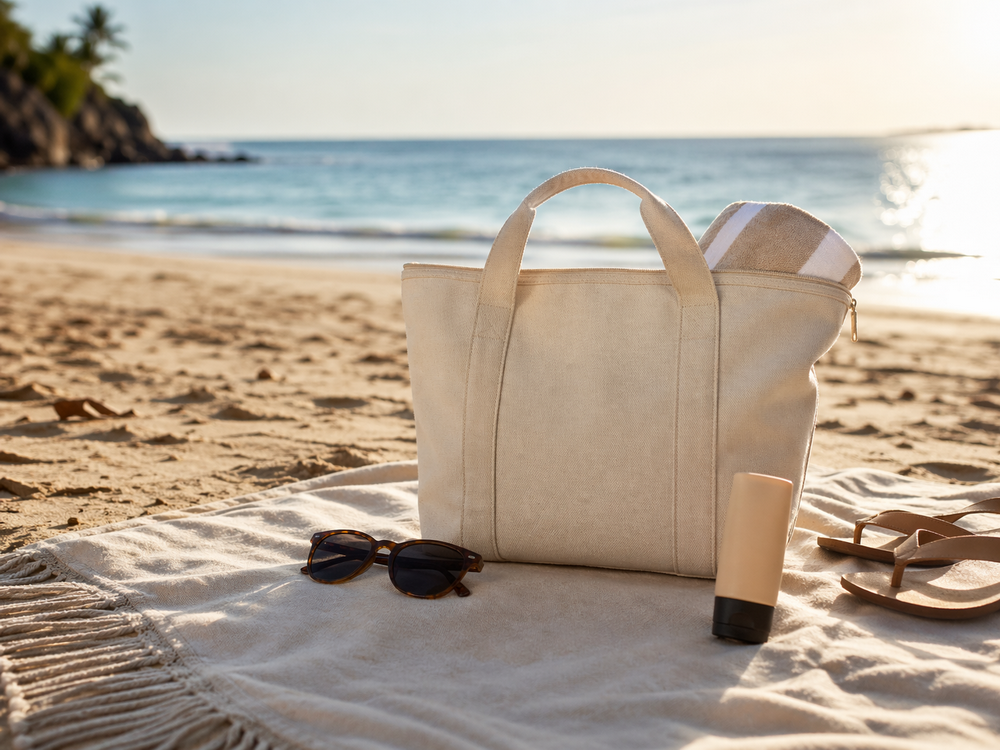
Multi-use packaging helps buyers sell more value because the package is not only a container. It can be reused by the end consumer, such as at the beach, which makes the whole offer feel more practical and worth the price.
One detail made our customer especially excited. The packaging could be taken to the beach and used alone. This sounds simple, but it changes the whole value equation.
The package is no longer something the consumer throws away. It becomes something the consumer keeps. It becomes useful in a real-life scene. It becomes part of the lifestyle around the product.
That is powerful in soft goods because many soft goods are tied to daily use, travel, outdoor activity, storage, home, or beach life. If the packaging can enter one of those scenes, it has more meaning.
Why multi-use packaging17 feels like extra value
When a customer buys one product but feels they receive two useful things, the product feels more worth it. This does not mean the package must be expensive. It means the package must be designed with a second life.
| Packaging type | Consumer reaction | B2B value |
|---|---|---|
| Single-use packaging | I will throw it away | Low memory value |
| Nice but useless packaging | It looks good once | Limited added value |
| Reusable packaging | I can use this again | Stronger value feeling |
| Scene-based packaging | I can use it at the beach | Clear lifestyle connection |
The beach use was important because it was easy to imagine. Buyers love clear selling points. End consumers also love clear uses. “You can take this packaging to the beach” is much stronger than “this packaging is reusable.” One is general. The other is specific.
Specific value sells better.
I also think multi-use packaging17 creates a small emotional bond. When the consumer reuses the package, they remember the product and brand again. This is not a one-time touchpoint. It becomes repeated exposure in daily life.
For our customer, this meant the packaging was not an extra cost. It was a selling point. It helped her explain why this product was different from similar products from other factories. It gave her a reason to order a full series based on this combination.
That is the real power of functional packaging. It can move from “nice to have” to “reason to buy.”
What This Means If You're Sourcing Soft Goods OEM: Packaging as a Competitive Moat?
In soft goods OEM2, many products can look similar across factories. Packaging can become the moat that makes one supplier harder to replace.
If you are sourcing soft goods OEM2, packaging should be part of supplier evaluation. The right packaging can improve perceived quality, support retail positioning, add use value, and give your product a stronger reason to win against similar items.
This experience made one thing very clear to me. Packaging is not the last step. It should not be treated as an afterthought after price, fabric, size, and production are confirmed. For many B2B buyers, packaging can be the reason a product becomes easier to sell.
In OEM sourcing, many suppliers can make the same basic item. They may use similar materials. They may offer similar
Explore strategies that can enhance your B2B sales approach and improve deal closure. ↩
Find insights on optimizing your sourcing strategy for soft goods in the OEM market. ↩
Get insights on creating a comprehensive sourcing plan that meets business needs. ↩
Understand the elements of a strong product story that can enhance consumer engagement. ↩
Learn how eco value can impact consumer choices and boost your brand's appeal. ↩
Learn how to design packaging that fosters trust and confidence among consumers. ↩
Understand how to align your products with current retail trends and consumer demands. ↩
Discover how understanding consumer psychology can enhance your packaging effectiveness. ↩
Stay updated on innovative packaging design trends that can elevate your product. ↩
Discover effective criteria for evaluating suppliers to ensure quality and alignment. ↩
Learn strategies to ensure your products meet evolving market expectations. ↩
Explore the connection between packaging and brand image to enhance your market presence. ↩
Discover packaging solutions that cater specifically to outdoor lifestyle products. ↩
Learn about the critical role packaging plays in shaping consumer perceptions of quality. ↩
Explore how packaging communicates quality and influences consumer buying decisions. ↩
Explore ways to design packaging that resonates emotionally with your target audience. ↩
Explore how multi-use packaging can add value and enhance consumer experience. ↩