I see many suppliers chase mass buyers and miss a quieter group. That group often places bigger orders and asks harder questions. That is where real margin often starts.
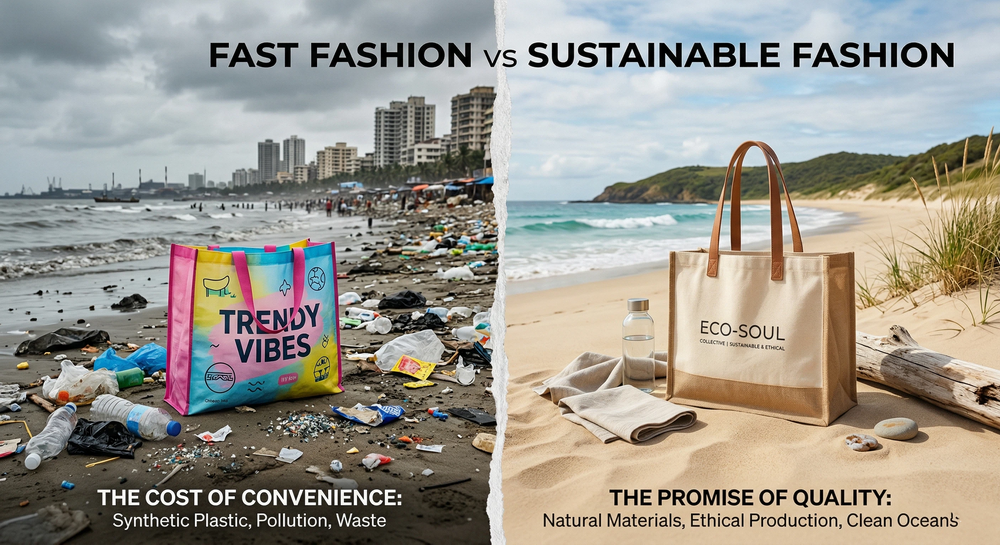
Hotels, resorts, and destination brands in 2026 are ordering custom eco beach bags that show brand values, tell a material story, last longer, and arrive in sustainable packaging. They do not just buy a bag. They buy a visible part of the guest experience.
When I look at this market, I do not start with what sells fastest in wholesale. I start with what feels right in a guest’s hand, on a beach chair, and in a brand photo. That shift changes everything.
Why are hotels and destination brands buying eco beach bags so differently?
I often see suppliers treat every buyer the same. That is the first mistake. A hotel brand is not trying to clear inventory. It is trying to shape perception.
Hotels and destination brands buy eco beach bags as brand assets, not simple merchandise. They ask whether the bag reflects taste, sustainability, and guest experience, because every visible product becomes part of how guests judge the brand.
When I speak to this kind of buyer in my mind, I do not hear the usual wholesale question. I do not hear, “Which style moves fastest?” I hear, “Will this look like us?” That is a very different buying logic. A resort, scenic destination, island brand, or hotel group does not want a generic beach tote with a logo added at the end. It wants a product that can carry its values in public.
That matters because the guest does not use the bag in private. The guest takes it to the beach, the pool, the breakfast area, the boat, and sometimes back home. Other people see it. Photos get taken. Staff see it too. So the bag becomes a small moving billboard, but it also becomes a taste signal. I think that is why this category is often misunderstood. The product has to work as a utility item, a brand object, and a story piece at the same time.
Here is how I break the difference down:
| Buyer type | Main question | What matters most | Usual pricing pressure |
|---|---|---|---|
| General wholesaler | What sells fastest? | Cost, volume, easy reorder | Very high |
| Hotel or resort brand | Does this represent us? | Story, design fit, guest feel | Moderate |
| Premium destination brand | Will guests remember this? | Brand values, visible quality, narrative | Lower if value is clear |
When I look at this table, I see why many suppliers miss the chance. They pitch capacity, speed, and low price. Yet this buyer is screening for alignment, not only production. That is why I believe suppliers who understand this segment can charge more and keep clients longer.
Why does the material story matter more than the material alone?
I have noticed that saying “recycled PET” is no longer enough for serious brand buyers. They want proof, but they also want meaning. A raw material claim is useful. A story is stronger.
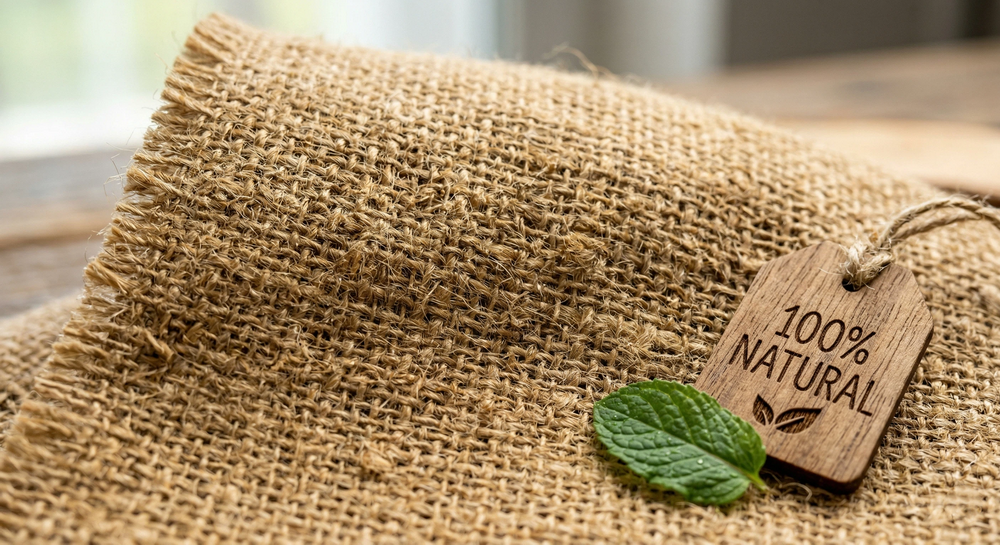
In 2026, hotels and premium brands want eco beach bags with materials that have a clear story, such as recycled bottles or recovered fishing nets, because the story helps them market the product and justify a higher price.
I think this is one of the clearest changes in the market. Years ago, a supplier could stop at a safe sustainability phrase. Now that feels thin. Buyers want to say more. They want to tell guests how the bag was made, where the material came from, and why that choice fits the place. If the property is by the sea, then ocean-linked material stories feel even stronger. If the resort sits near a local conservation effort, then local sourcing or recovery becomes part of a bigger message.
That is why materials with an origin story often win, even when they cost more. A bag made from standard recycled PET may check the technical box. A bag made from recovered ocean-bound plastic, with a count like “made from X recycled water bottles,” gives the marketing team something to use. That line can go on the hangtag, the room card, the website, or the welcome booklet. It can even become part of the social media content around the stay.
I would frame the choice like this:
| Material type | What the buyer hears | Marketing value | Likely price acceptance |
|---|---|---|---|
| Standard recycled PET | Recycled and practical | Basic | Medium |
| Ocean waste plastic | Recycled with place-based meaning | High | High |
| Recycled local fishing nets | Local and memorable | Very high | High |
| Unclear “eco” blend | Vague claim | Low | Low |
From my view, the premium is not only for the fabric. It is for the sentence the brand gets to tell. If a material with a strong origin story costs 20 to 30 percent more, many hotels will still accept it because the story itself becomes a selling tool. I think suppliers should stop presenting this as a cost increase and start presenting it as content value. That change in language can change the whole sales conversation.
Why are circular design and sustainable packaging becoming deal-breakers?
I think many suppliers still focus only on the bag body, print, and handle strength. That is too narrow now. Premium buyers are looking at the whole life of the product, and the first unboxing moment too.
Hotels and premium brands now care about visible product lifespan and sustainable packaging because circular design supports their sustainability claims, and the guest experience starts the moment the bag is received, not the moment it is used.
This part is easy to miss if I only think like a factory. But if I think like a brand, it becomes obvious. A guest gets the bag and starts judging the story right away. If the product is marketed as sustainable but arrives in a standard clear plastic sleeve, the message weakens in one second. The buyer knows that. That is why even a small packaging upgrade matters. A compostable bag, paper wrap, or other low-impact packaging option may cost only a little more, yet it supports the whole narrative.
Then there is lifespan design. I find this point especially important because it moves sustainability beyond materials and into behavior. Some high-end resort and lifestyle brands now want products that can be repaired, refreshed, or kept in use longer. That is where circular design enters the conversation. If a handle breaks, can the guest or the property replace it? If a trim part wears out, is there a simple fix? If the answer is yes, the brand can say it chose a product designed to stay in use, not one designed to be thrown away.
I would summarize that expectation like this:
| Detail | Old supplier view | New premium buyer view | Business impact |
|---|---|---|---|
| Handle design | Must be strong enough | Must also be replaceable | Better retention |
| Packaging | Low-cost protection | Part of sustainability story | Better first impression |
| After-sales support | Rarely discussed | Seen as proof of values | Higher trust |
| Product life | Until damage happens | Planned for longer use | Higher perceived quality |
When I put these pieces together, I see a very clear supplier opportunity. A supplier who can offer replaceable parts, spare handles, repair guidance, and sustainable packaging is not just selling a bag. That supplier is selling a more complete sustainability system. In my experience, or at least in the way I read this market, that system can justify a 20 to 30 percent higher quote. It can also create stronger client stickiness than normal wholesale business, because once a resort builds that story into its guest experience, switching suppliers becomes harder.
Conclusion
I believe the winning eco beach bag in 2026 is not the cheapest one. It is the one that helps a hotel look thoughtful, sustainable, and worth remembering.