Introduction
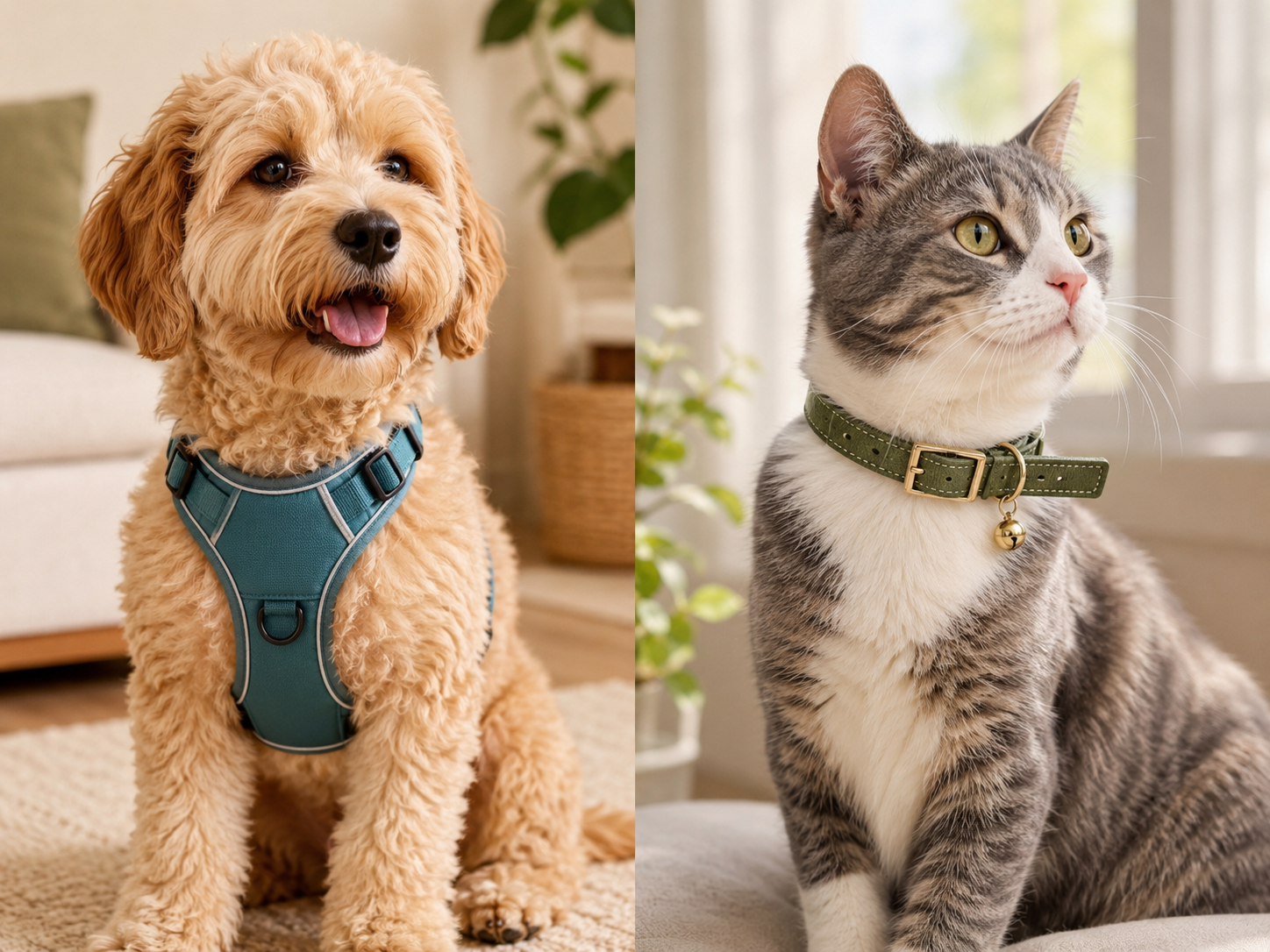
In the competitive pet accessory market, choosing whether to launch a dog harness or a dog collar can impact not only sales but also brand positioning and long-term growth. This guide uses a Q&A format to explore the functional differences, commercial value, and strategic considerations between the two, helping brands make informed product decisions and gain a market edge.
Why Do Brands Need to Choose Between Dog Harnesses and Collars?
Q1: What different value do dog collars and harnesses offer to brands?
Dog collars are basic daily accessories suitable for most dog owners. They are simple in structure, cost-effective, easy to produce, and have stable market demand, making them easy to stock and sell.
Dog harnesses, on the other hand, emphasize functionality, providing higher safety, comfort, and control. Their design potential supports premium pricing, brand differentiation, and storytelling marketing, enhancing brand recognition and long-term value.
Q2: Which product choice is more important for brand positioning?
The choice depends on brand goals. If the goal is fast market entry and lower development risk, collars are ideal. If aiming for a premium positioning with functional and safety-focused products that build long-term brand value, harnesses are key.
A strategic approach is to make harnesses the core product while using collars as a complementary item, forming a complete product portfolio to meet diverse customer needs.
Advantages and Limitations of Dog Collars
Q1: What are the brand advantages of dog collars?
Collars are easy to produce, low-cost, and quick to market. They suit mass production and high-volume markets and allow seasonal updates or customization, such as different colors, prints, badges, or metal buckles. For new brands and retailers, collars can serve as entry-level products to test market response while minimizing inventory and development risk.
Q2: What functional or commercial limitations do collars have?
Collars offer basic functionality: daily wear, ID tags, and light control. They may not provide comfort or safety for dogs that pull strongly or have sensitive necks. The market is highly saturated, and without unique design or premium materials, collars struggle to deliver high-end brand value.
Q3: Which brands are best suited to start with collars?
Collars suit emerging brands, fast-moving e-commerce sellers, or retailers focused on high-volume sales. They also work for entry-level or seasonal product lines, fulfilling basic market demand while paving the way for future functional harnesses or premium collections.
Advantages and Challenges of Dog Harnesses
Q1: Why do harnesses have higher commercial potential?
Harnesses provide higher safety and comfort, especially for puppies, small dogs, strong pullers, or neck-sensitive breeds. They improve the walking experience, support premium pricing, and enable brand differentiation. Harnesses solve pulling, neck strain, and escape risks, delivering tangible value, increasing user satisfaction, and fostering brand loyalty.
Q2: What are the design requirements for harnesses?
Harnesses are more complex, requiring consideration of body shape, chest structure, and fit for comfort and safety. Materials must be durable, lightweight, and the stitching sturdy, with adjustable and easy-to-release buckles. Functional innovations—such as anti-pull design, breathable mesh, reflective strips, safety locks, anti-escape features, outdoor suitability, or washable options—enhance product value and distinguish the brand.
Q3: Which brands are best suited to launch harnesses?
Brands targeting the premium segment, emphasizing function, safety, and comfort, and willing to invest in development and quality control, are ideal. Harnesses can become core products, drive brand differentiation, and support cross-selling opportunities with leashes, collars, and other accessories.
Core Differences Between Harnesses and Collars
| Feature | Dog Collar | Dog Harness |
|---|---|---|
| Main Purpose | Daily wear, ID tags, basic control | Walking, training, safety, control |
| Product Complexity | Simple design | Technical design, complex structure |
| Production Difficulty | Easy to produce | Requires fit and structural safety |
| Comfort | Basic | High |
| Safety | Neck strain, pulling risk | Even pressure distribution, high safety |
| Premium Potential | Medium | High |
| Personalization | Colors, prints, badges | Materials, structure, function, fit |
| Cross-Selling | Collar + leash | Harness + leash + collar + accessories |
| Suitable Brand Type | Entry-level products, seasonal lines | Premium brands, functional product lines |
Harnesses and collars differ clearly in function and commercial value: collars meet basic daily needs, while harnesses elevate brand positioning and user experience.
How to Choose Products Based on Brand Goals
Q1: If a brand wants to enter the market quickly, which product should it choose?
Collars are the best choice for fast market entry or cost control. They are easy to produce, affordable, and widely accepted, suitable for new brands or test product lines.
Q2: If a brand pursues premium positioning, what are the harness advantages?
Harnesses offer functionality, safety, and comfort, supporting premium pricing and brand differentiation. They can become core products, form a complete product range, and increase average order value and customer loyalty.
Q3: Is a combined strategy possible?
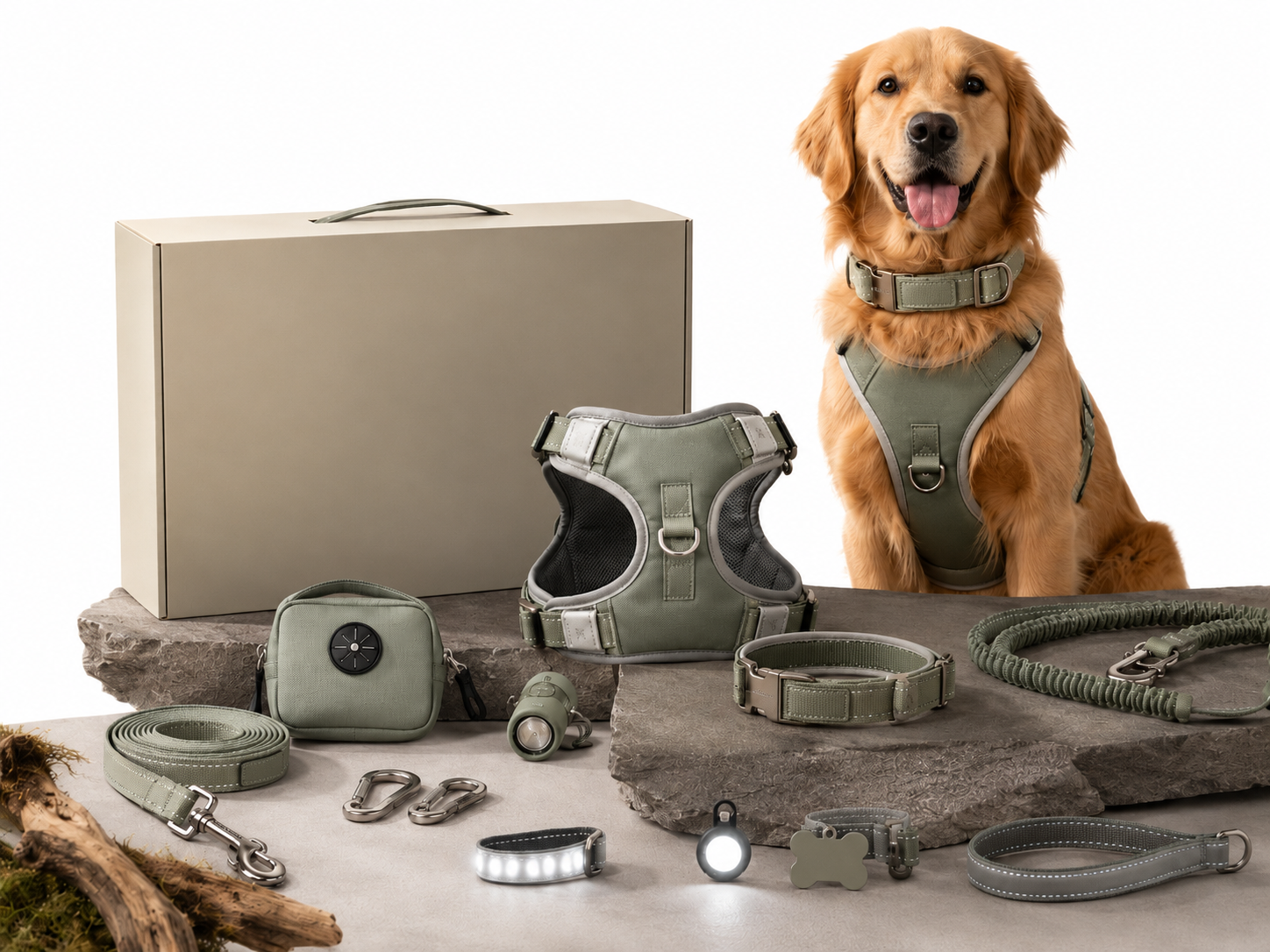
Yes. The smartest approach is to build a full walking product series, including dog harnesses, collars, leashes, waste bag holders, training leashes, reflective accessories, and seasonal designs. This strategy addresses basic and advanced customer needs, increases overall product value and average order amount, and strengthens brand professionalism. Harnesses act as the “star product,” with collars and accessories as complements.
Practical Strategy: Building a Complete Product Line
Entry-Level Series
- Collar + leash for daily use and high-volume markets
- Seasonal designs or custom prints to attract new customers
Core Series
- Everyday harness: comfortable, durable, adjustable
- Focused on walking experience, suitable for multiple breeds
- Becomes the brand’s main product and marketing focus
Premium Series
- Functional harnesses: anti-pull, anti-escape, reflective, outdoor, breathable, or washable
- Targeting customers with special needs, enhancing product differentiation and brand value
- Supports premium pricing, drives upselling, and boosts brand loyalty
Optional visual: Three-tier product strategy diagram
FAQ
Q: Are dog harnesses really safer than collars?
Yes. Harnesses distribute pressure evenly, reduce pulling and neck injury risk, and are better for puppies, strong pullers, and neck-sensitive breeds.
Q: Are harnesses suitable for all breeds?
Most breeds can use harnesses, but size and chest girth should guide model selection for comfort and safety.
Q: How to choose the right size and style?
Consider the dog’s body type, chest girth, and purpose. Choose adjustable, multi-size harnesses, and pay attention to material and functional features.
Q: How can brands reduce harness return rates?
Provide accurate size charts, detailed product descriptions, usage guidance, and high-quality materials to lower returns and improve customer satisfaction.
Conclusion
- Dog Collars: Basic daily essentials, easy to produce, quick to market, suitable for entry-level and seasonal lines.
- Dog Harnesses: Functional, comfortable, and safe, ideal for premium brands and long-term growth.
- Optimal Strategy: Use harnesses as the core product, collars as complementary items, forming a complete walking product series that enhances brand value, increases average order value, and builds a professional image.
Get in Touch
Ready to elevate your pet accessory brand with the right collars and harnesses? Our team is here to help you design, source, and launch products that match your brand vision and market goals. Contact us today to discuss your product strategy, request a quote, or explore how we can support your next collection. Let’s build a complete and profitable product line together.