Many importers ask for a custom beach bag sample before they define the product clearly. That creates a weak sample, a slow quote, and a higher risk of bulk problems.
Commercial sourcing path: If this topic is part of a retail, resort, promotion or private-label sourcing brief, use LISO’s Beach Bag Manufacturer page to review sample checkpoints, material routes, customization scope and quote preparation before sending specs.
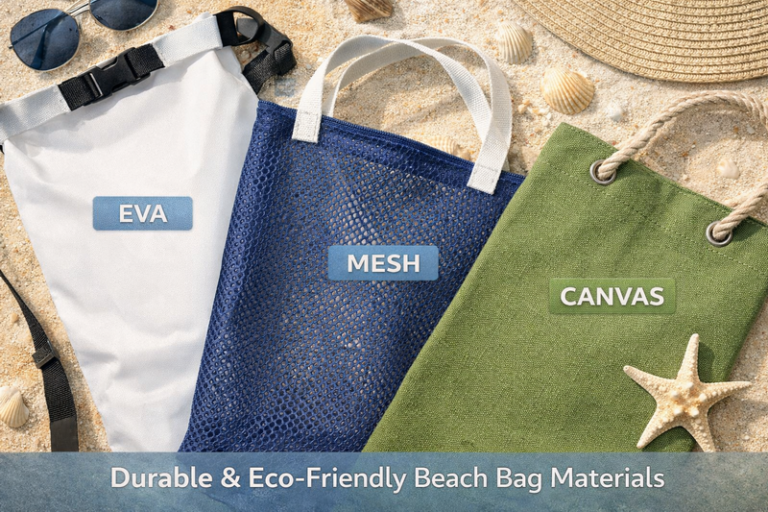
A custom beach bag manufacturer needs a clear sampling brief before development starts. The brief should include use scene, fabric route, size, logo method, lining, pockets, packaging, MOQ target, target price, and the buyer’s sales channel.
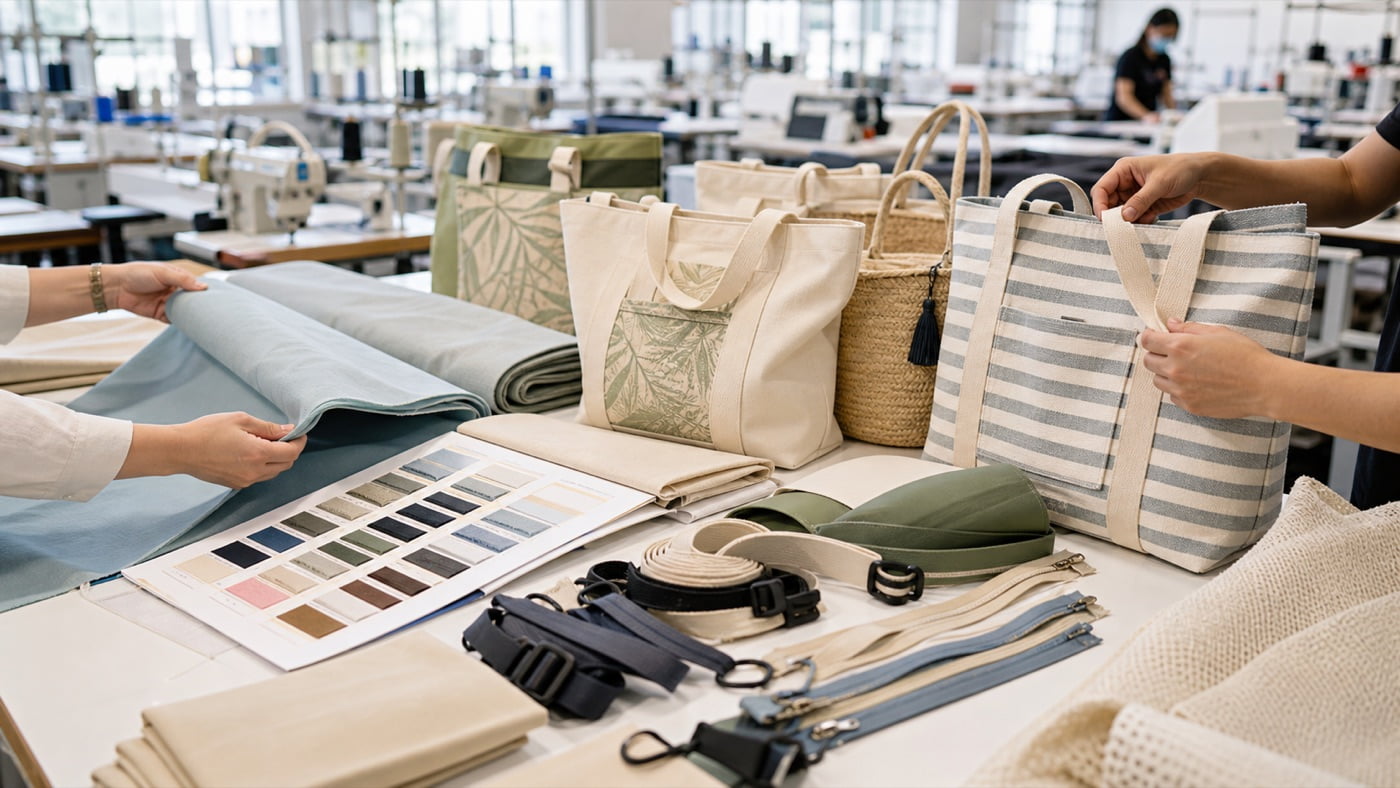
When I review a beach bag project, I do not start with “how cheap can it be?” I start with where the bag will be sold and how the consumer will use it. A resort shop, a supermarket summer promotion, an Amazon listing, and a premium lifestyle brand do not need the same structure.
What should importers prepare before asking for a beach bag sample?
Importers should prepare the target market, expected use scene, bag size, fabric preference, logo method, packaging style, expected quantity, and target retail price. These details help the factory choose a realistic beach bag construction instead of guessing.
| Sampling detail | Why it matters | What LISO checks |
|---|---|---|
| Sales channel | Retail, resort, promotion and ecommerce require different structures. | We match the bag type to the buyer’s channel before quoting. |
| Use scene | Poolside, beach, travel and gift use create different wet-use risks. | We check lining, coating, handle strength and pocket logic. |
| Logo and packing | Brand value depends on visible finish, not only unit price. | We review woven labels, hangtags, barcodes, belly bands and carton marks. |
| MOQ target | Low MOQ is possible only when material and print route are realistic. | We suggest available fabrics or smarter print planning when needed. |
Why does the wrong sampling brief create expensive beach bag problems?
A weak brief makes the factory quote a bag shape instead of a product program. The sample may look acceptable, but the bulk order may fail in the details: handle load, wet lining, zipper quality, color consistency, and packing presentation.
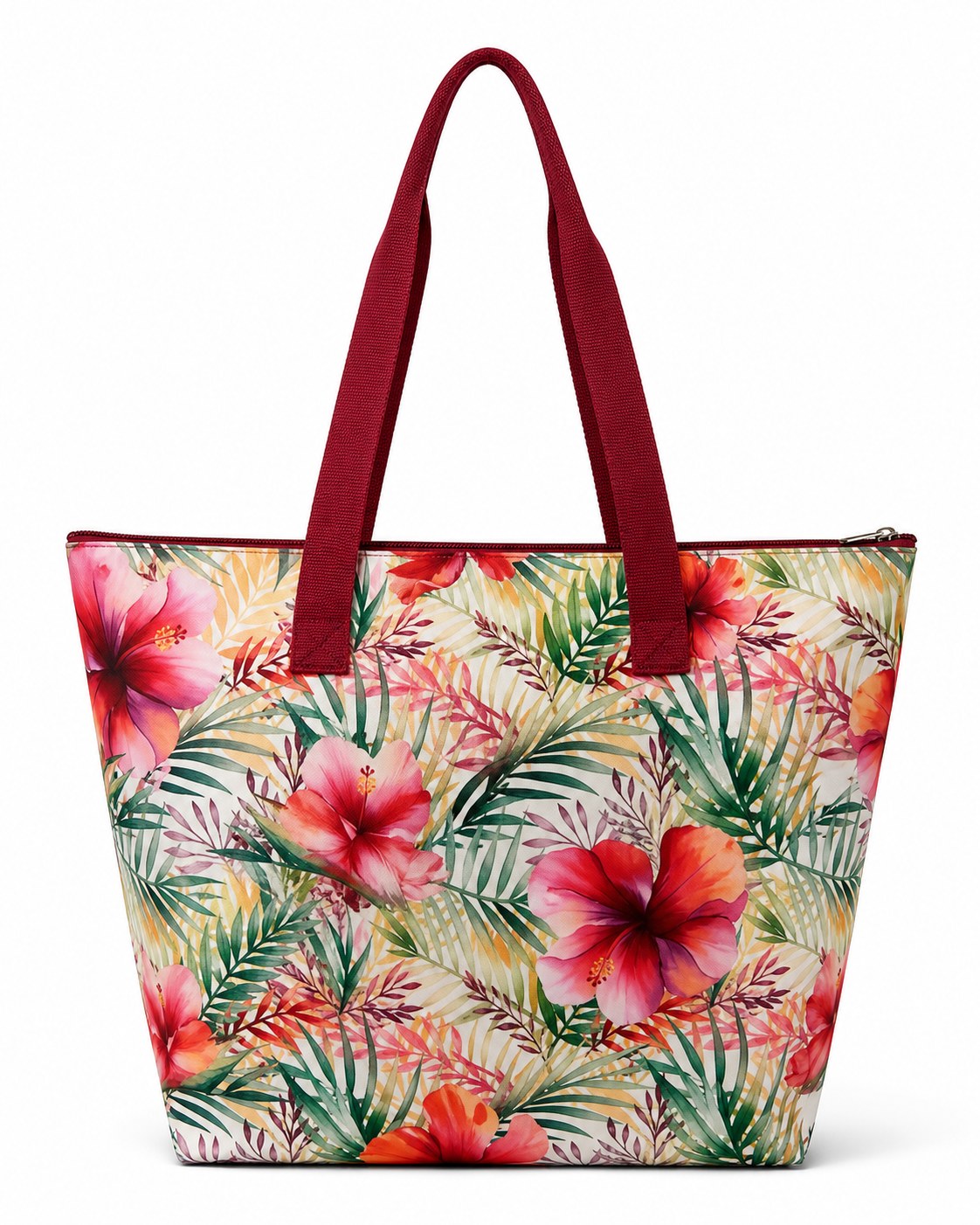
I often see buyers treat beach bags as simple totes. That is risky. A beach bag often carries towels, water bottles, sunscreen, wet clothing, toys, snacks and sometimes a cooler pouch. The handle and seam structure must match that load. If a buyer asks only for a lower price, the supplier may reduce fabric weight, choose weaker webbing, or simplify the lining. The buyer saves a little at sampling, then loses more through complaints and returns.
What is the safest beach bag sample path for a new brand?
The safest path is a focused small batch with one clear customer type, one fabric route, and a small set of matching products. New brands should avoid testing too many unrelated bag styles at the same time.
For a first beach bag program, I usually suggest one main tote, one smaller wet-dry pouch, and one matching item such as a beach mat or cooler bag. This gives the buyer a stronger retail story without spreading the budget too thin. It also lets the factory control color, print scale, label placement and packaging more consistently. A single product can test demand, but a small coordinated program often helps the buyer look more serious to retailers.
What should the RFQ include if the buyer wants a faster quote?
A faster RFQ should include size, fabric idea, lining expectation, target order quantity, logo method, package style, target market and reference photos. It should also explain whether the buyer needs a retail beach tote, a resort bag, a gift bag, or a waterproof-friendly wet-use bag.
This step sounds basic, but it saves real time. If the buyer only sends a picture and asks for the lowest price, the factory has to guess too much. One supplier may quote a light promotional tote. Another may quote a stronger retail bag. A third may add lining, zipper and reinforced handles. The quotes will not be comparable. A clear RFQ helps the buyer compare the same product route instead of comparing three different products by accident.
I also suggest buyers share the target retail price or target wholesale price when they can. This does not mean the factory should simply force the product into a low price. It means the factory can suggest a smarter route. For example, a buyer may keep the same outside look but adjust lining, fabric weight, logo method or packaging to protect both price and quality.
Which details should buyers confirm before bulk beach bag production?
Before bulk production, buyers should confirm fabric weight, color reference, seam construction, handle load, lining, zipper quality, label placement, package format, carton marks, and inspection samples. A clear approval record protects both sides.
- Confirm the bulk fabric against the approved sample or color reference.
- Check handle sewing and reinforcement points, not only the outside print.
- Ask how wet lining, pockets and zippers will be inspected.
- Keep one approved sample and one bulk sample for future reorders.
- Confirm whether the bag is water-resistant, waterproof-friendly, or fully waterproof.
Beach bag sampling route
If you are comparing custom beach bag suppliers, start from a clear product brief. LISO can review your fabric, size, logo, MOQ and packaging route before sampling.
Related Beach Bag Sourcing Pages
Conclusion
A good beach bag sample starts with buyer logic. Define the channel, material, construction and packaging first, then ask the factory to build the sample around that plan.