Chair Pad Manufacturer: Seat Pad Materials, Foam & Custom Sizing Guide
B2B sourcing answer
A chair pad looks simple, but B2B buyers usually lose time when size, foam, tie placement, fabric, stitching and packaging are not defined before sampling.
As a chair pad manufacturer, LISO can develop indoor and outdoor seat pads, patio chair cushions, bench pads and removable cushion covers around real furniture dimensions and retail price targets.
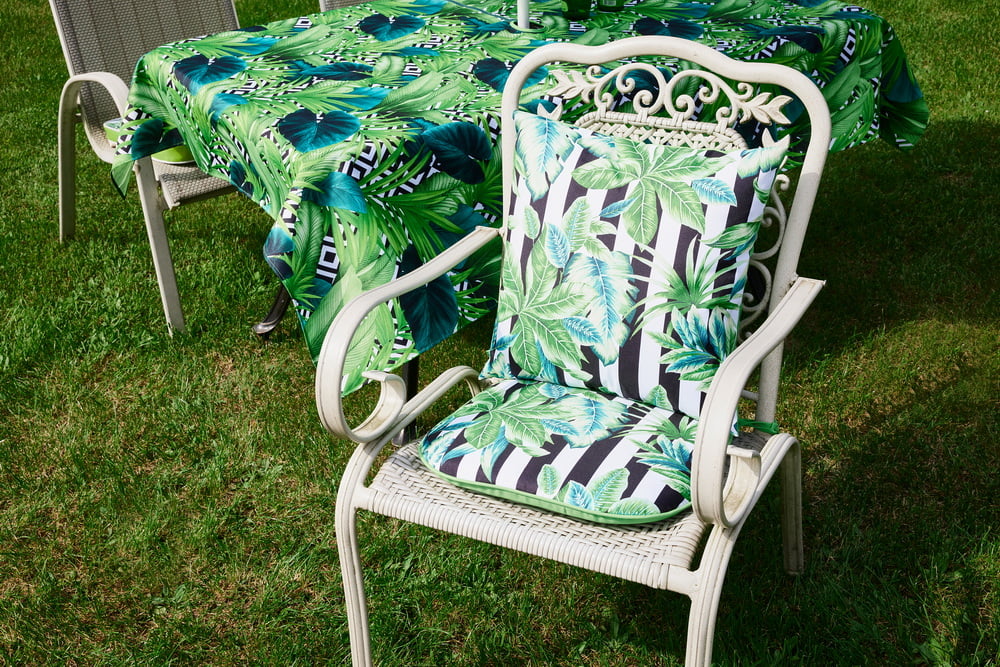
For outdoor patio programs, the key is to connect comfort with fabric performance: UV exposure, color fastness, water resistance, removable covers and repeat-order consistency.
Primary keyword: chair pad manufacturer
Supporting terms: outdoor cushion manufacturer, patio cushion manufacturer, custom chair pads, outdoor seat cushion manufacturer
Next step: Outdoor Patio OEM Solution | Chair pad options | Outdoor cushion product range Related sourcing route: If your chair pad program is part of a wider patio range, compare replacement patio chair cushions with outdoor cushion covers, foam choices, fabric color fastness and private label packaging before sampling.
What buyers should confirm before sampling
- Start with chair frame measurements, target thickness, foam density and whether ties or non-slip backing are required.
- Decide if the pad is for indoor dining, patio chairs, folding chairs, benches or hospitality seating.
- Choose fabric based on use: cotton-look indoor fabric, polyester Oxford, olefin, solution-dyed acrylic or coated outdoor textile.
- Confirm retail finishing: piping, quilting, zipper, label, hangtag, compressed packing or shelf-ready carton.
Quick Summary: The main difference between a seat pad (1–2 inches) and a seat cushion (3+ inches) lies in their support level and intended use. Seat pads are ideal for high-turnover commercial spaces like restaurants, while thicker cushions are designed for long-term comfort in offices or lounges. For B2B buyers, choosing between them involves balancing durability, fabric technology (UV/waterproofing), and manufacturing standards like GRS and BSCI.
Introduction
In the commercial sector—whether you are a hotel procurement manager, a furniture wholesaler, or a brand owner—seating comfort is a critical component of the user experience. Selecting the right seat pad or seat cushion isn't just about aesthetics; it’s about balancing durability, maintenance costs, and ergonomic support.
As a leading OEM/ODM manufacturer in Hangzhou, LISO HOME understands the technical demands of global brands. This guide provides a professional breakdown of how to choose the ideal seating solutions for your commercial projects.
1. Seat Pad vs. Seat Cushion: Core Differences for B2B Buyers
Understanding the technical distinction helps in optimizing project costs and ensuring user satisfaction.
| Feature | Seat Pad (Thin) | Seat Cushion (Thick) |
|---|---|---|
| Thickness | 1–2 inches (2.5–5 cm) | 3 inches or more (7.5 cm+) |
| Best Use Case | Dining chairs, banquet halls, event seating | Sofas, high-back lounge chairs, office furniture |
| Filling Material | High-density polyester or thin foam | Polyurethane foam, memory foam, or pocket springs |
| Maintenance | Lightweight, often machine-washable | Often features removable covers for deep cleaning |
| B2B Benefit | Cost-effective for bulk orders and easy storage | Premium feel, increases "dwell time" in lounges |
For commercial spaces, "durability" has different definitions depending on the environment.
Indoor Comfort & Aesthetics
Indoor seat pads focus on hand-feel and design. We recommend:
- Fabrics: Velvet, cotton-polyester blends, or linen-look textures.
- Key Requirement: High rub-count (Martindale test) to withstand frequent commercial use.
Outdoor Performance & Weather Resistance
Outdoor seat pads must withstand the elements. As a sustainable manufacturer, LISO HOME focuses on:
- UV Resistance: Solution-dyed fabrics with 1000+ colorfastness hours to prevent fading.
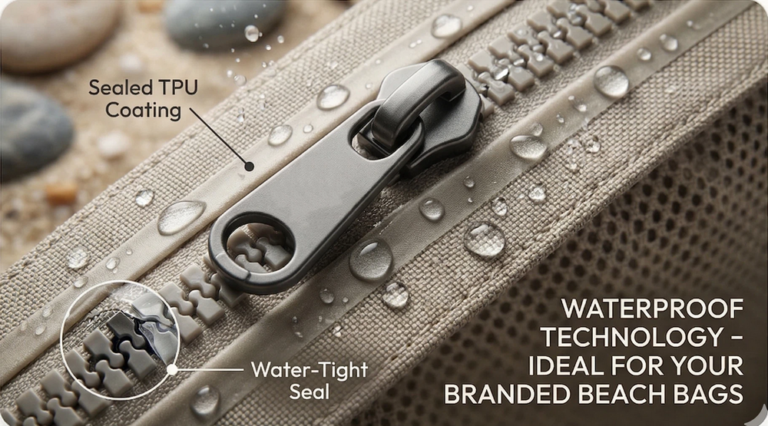
- Water Management: Waterproof coatings and Quick-Dry Foam to prevent mold and internal rot.
- Certifications: Utilizing GRS (Global Recycled Standard) materials to meet modern sustainability mandates for eco-conscious brands.
3. Manufacturing Details: What Defines Quality?
When sourcing in bulk, the "hidden" details determine the product's lifespan.
- Reinforced Ties & Slip-Resistance: For high-traffic areas, dual-stitched ties or anti-slip silicone backing are essential to keep pads in place.
- Piping & Edging: Beyond aesthetics, piping reinforces the seams, preventing fraying under heavy use.
- ersatile Filling Options for Every Budget: We understand that different commercial projects have unique requirements. We offer a variety of filling materials—ranging from cost-effective polyester fiberfill for high-volume events to premium high-density foam for luxury lounges. This flexibility ensures you can select the optimal filling density and material that aligns perfectly with your specific procurement needs and budget constraints.
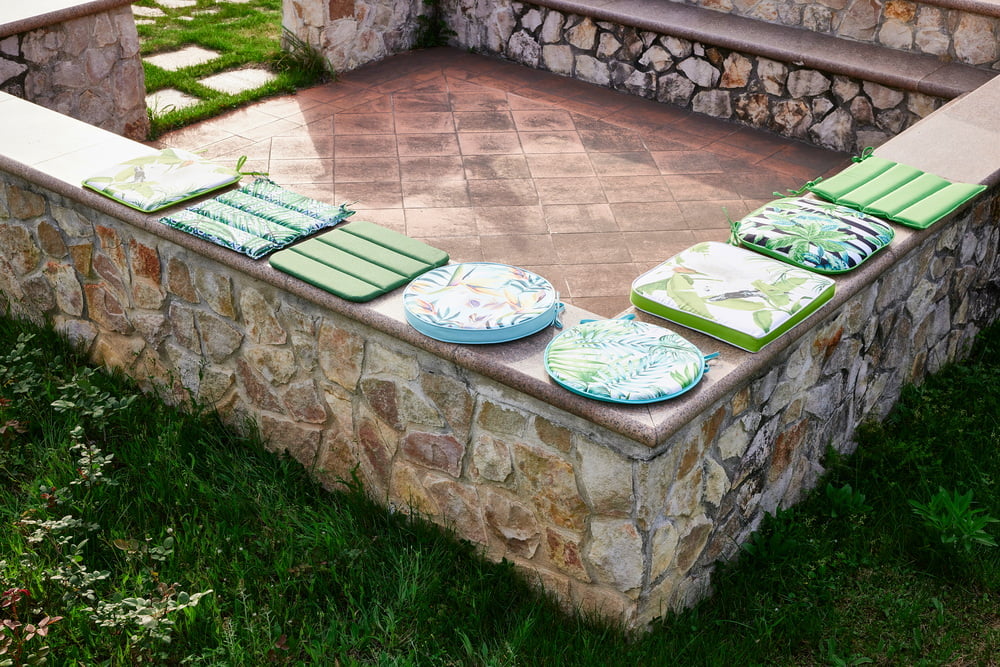
4. Technical Performance Metrics (Checklist for Buyers)
Before placing a wholesale order, ensure the products meet these industry standards:
- Fire Retardancy: Compliance with CAL 117 or BS 5852 (depending on your market).
- Sustainability: BSCI-certified factory auditing and GRS-certified recycled fabric options.
- Colorfastness: Grade 4 or higher for outdoor applications.
FAQ: Expert Answers for Commercial Seating
Q1: Can I use indoor seat pads for outdoor patios?
No. Standard indoor fabrics lack UV stabilizers and anti-fungal treatments. Exposure to sunlight will cause fading within weeks, and moisture will lead to internal mold. Always source specific Outdoor Seating Solutions for patio areas.
Q2: What is the most cost-effective filling for bulk restaurant orders?
High-density polyester fiberfill is excellent for 1-inch pads. It is lightweight, washable, and keeps costs low for large-scale banquet or bistro projects.
Q3: Does LISO HOME offer custom branding for OEM orders?
Yes. We provide full OEM/ODM services, including custom logo embroidery, woven labels, and bespoke fabric patterns to align with your brand identity.
Conclusion: Elevate Your Commercial Space
Choosing the right seating solution is an investment in your brand’s reputation. By focusing on material flexibility—from high-performance foam to GRS-certified sustainable filling—you ensure long-term value for your clients.
Ready to upgrade your product line? As a professional manufacturer based in Hangzhou, we specialize in high-quality, sustainable soft goods.
→ Request a Material Sample Kit & Wholesale Catalog
Follow LISO HOME on LinkedIn for more industry insights on textile manufacturing and B2B trends.
<section class="liso-buyer-decision-block"> <h2>Which sourcing risks make outdoor seat pads fail after launch?</h2> <p><strong>Outdoor seat pads usually fail because buyers treat them like simple indoor cushions.</strong> In real patio use, sunlight, pool water, chlorine, rain, washing, foam recovery, tie strength and color consistency all affect reviews, returns and repeat orders.</p> <table> <thead> <tr> <th>Sourcing risk</th> <th>What buyers may miss</th> <th>How LISO reduces the risk</th> </tr> </thead> <tbody> <tr> <td>Indoor standard used outdoors</td> <td>Patio cushions face stronger sunlight, humidity, cleaning and pool-water contact.</td> <td>We match fabric, coating and construction to the real outdoor use scene.</td> </tr> <tr> <td>Color fading</td> <td>Low color fastness can look acceptable in a sample but fail after sun or chlorine exposure.</td> <td>We use outdoor textile color-fastness thinking, not only indoor cushion standards.</td> </tr> <tr> <td>Weak foam recovery</td> <td>Cheap filling may flatten quickly, which creates comfort complaints and repeat-order risk.</td> <td>We suggest foam or filling based on comfort, rebound, price point and expected use frequency.</td> </tr> <tr> <td>Low MOQ misunderstanding</td> <td>Low MOQ can reduce inventory risk, but it does not always mean a lower unit price.</td> <td>We help buyers test a practical small-batch range while controlling material loss and cost.</td> </tr> <tr> <td>Single-product sourcing</td> <td>A single chair pad is easier to source, but harder to display as a premium patio story.</td> <td>We can align chair pads, seat cushions, bench pads, pillows, table textiles and packaging in one coordinated outdoor cushion collection.</td> </tr> </tbody> </table> <p>For buyers building a complete patio range, this guide should connect with the <a href="https://lisohome.com/solutions/outdoor-patio-living/">Outdoor Patio Textile solution</a>, the <a href="https://lisohome.com/product/outdoor-patio/chair-pads/">custom chair pads product page</a>, and the <a href="https://lisohome.com/product/outdoor-patio/custom-outdoor-cushions/">custom outdoor cushions sourcing page</a>.</p> </section>
Turn this sourcing topic into a product program
This article supports the Outdoor Cushion & Chair Pad Manufacturer cluster. Use these pages when you are ready to compare product scope, materials, MOQ, sampling and private label packaging.
FAQ for B2B buyers
Can LISO make custom chair pads in different sizes?
Yes. LISO can develop custom chair pads, seat cushions, bench pads and patio cushions based on your frame size, foam thickness and construction requirements.
What foam should be used for chair pads?
Common choices include sponge foam, high-resilience foam, batting and layered constructions. The right choice depends on comfort, price point and usage frequency.
Can chair pads be made for outdoor use?
Yes. Outdoor chair pads can use water-resistant fabrics, UV-resistant textiles, removable covers, ties and reinforced seams for patio and garden use.
What information is needed for a quote?
Please provide size, thickness, fabric preference, quantity, logo method, packaging idea, target market and reference images or drawings.
<p>If you are sourcing a reliable <a href="https://lisohome.com/product/outdoor-patio/custom-outdoor-cushions/">outdoor cushion OEM manufacturer</a>, LISO offers custom patio cushions with waterproof fabrics, MOQ from 200 units, and samples ready within 14 days. <a href="https://lisohome.com/product/outdoor-patio/custom-outdoor-cushions/">Request a free quote →</a></p>