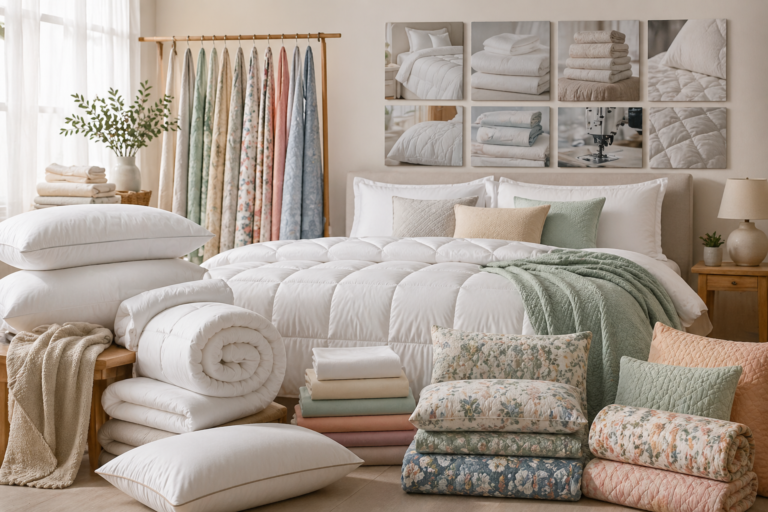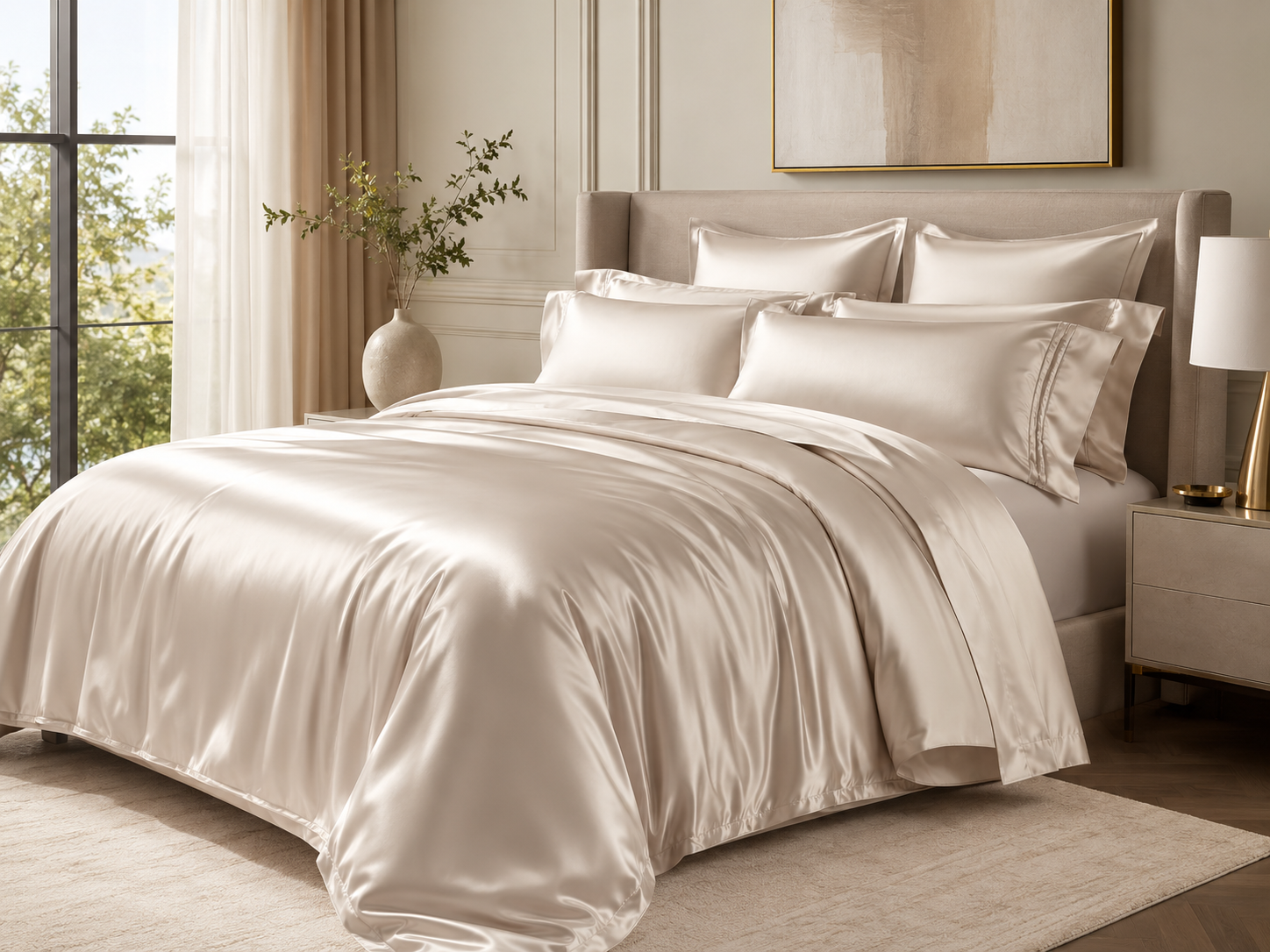
Choosing the right bedding fabric can make or break guest satisfaction while keeping costs under control.
Selecting proper bedding fabric affects comfort, durability, and operational costs like washing and maintenance. In high-turnover hotels, fabric choice directly impacts guest experience and bottom-line efficiency.
Many hotels overlook how fabric choice influences daily operations. Understanding the nuances can prevent hidden costs and enhance guest comfort. Let’s explore the details.
Why Is Choosing the Right Bedding Fabric Crucial for Economy Hotels?
Hotel bedding is more than decoration—it shapes the guest’s first impression and overall experience.
A well-chosen fabric ensures guests sleep comfortably while minimizing damage and maintenance. For example, cotton-polyester blends withstand frequent washing, while pure cotton may wear faster in high-turnover settings.
Economy hotels operate on tight margins. Choosing bedding requires balancing comfort with durability. Cotton-polyester blends are cost-effective, resist wrinkles, and maintain shape under heavy washing. Pure cotton offers premium softness but may shrink and fade faster. Microfibers dry quickly and resist stains but feel less breathable. For instance, a budget hotel using 100% cotton sheets found after six months of daily washes that threads started to fray, whereas blended sheets lasted nearly two years. These differences affect replacement cycles, laundry workload, and guest satisfaction. Therefore, fabric selection should be a strategic decision rather than a cost-only consideration.
What Are the Common Bedding Fabrics in Economy Hotels?
Not all fabrics are created equal. Knowing the common types helps optimize cost and comfort.
Common fabrics include cotton-polyester blends, microfiber, pure cotton, and 100% polyester (full polyester). Each offers different durability, feel, and maintenance needs, guiding hotel purchasing decisions.
- Cotton-Polyester Blend (Cotton-Poly): Affordable, wrinkle-resistant, durable. Ideal for high-turnover hotels. Washable at high temperatures. Drawback: Slightly lower softness.
- Microfiber: Lightweight, quick-drying, resistant to stains. Best for hotels prioritizing efficiency. Drawback: Less breathable, may feel synthetic.
- Pure Cotton: Soft, breathable, luxurious feel. Suitable for extended-stay hotels. Drawback: Shrinks easily, high maintenance, faster wear in daily washes.
- 100% Polyester (Full Polyester): Very durable, wrinkle-free, inexpensive, and quick-drying. Ideal for budget hotels with extreme laundry cycles. Drawback: Less natural feel, may trap heat and reduce comfort.
Table: Fabric Comparison
| Fabric Type | Durability | Softness | Care | Cost | Best Use Case |
|---|---|---|---|---|---|
| Cotton-Poly Blend | High | Medium | Easy | Low-Mid | High-turnover hotels |
| Microfiber | Medium | Medium-Low | Very Easy | Low | Efficiency-focused hotels |
| Pure Cotton | Medium-Low | High | Moderate-High | Mid-High | Long-stay or premium economy hotels |
| 100% Polyester | Very High | Low | Very Easy | Low | Extreme high-turnover budget hotels |
Operationally, blends reduce replacement costs, microfiber speeds laundry cycles, cotton enhances guest perception, and full polyester maximizes durability at minimal cost.
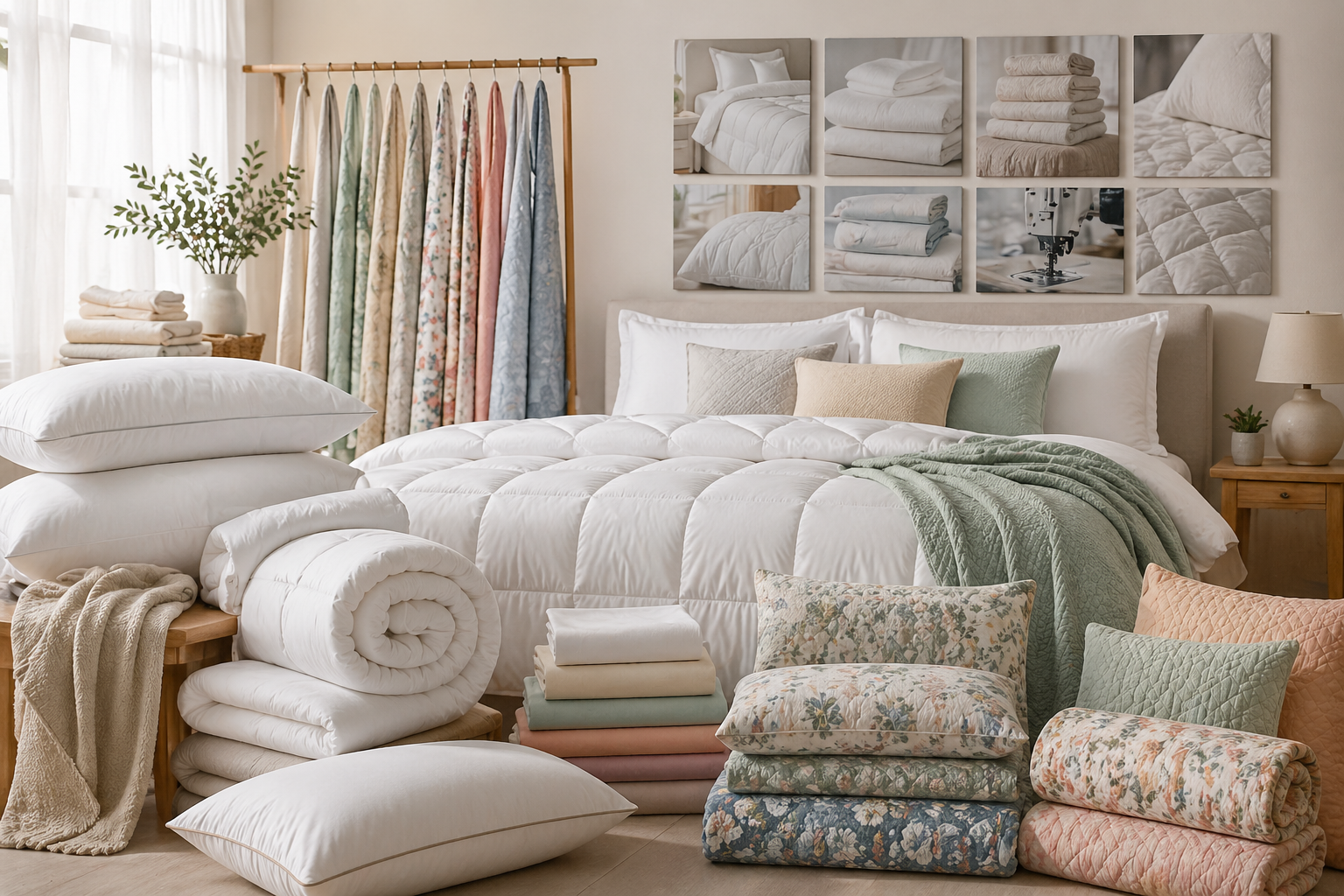
What Operational Factors Should Guide Fabric Selection?
Fabric choice must align with daily operations, not just aesthetics.
Consider washing frequency, room turnover, local climate, durability, and guest expectations. These factors balance costs with service quality.
High-turnover hotels need fabrics that endure daily washing. Humid climates favor quick-drying materials like microfiber. Durability affects replacement cycles, laundry costs, and staffing. Guest expectations matter—budget travelers may prioritize cleanliness over luxury feel, while extended-stay guests appreciate soft cotton. Decision logic:
- Estimate washes per year.
- Compare fabric shrinkage and wear resistance.
- Factor in drying time and energy costs.
- Align with guest comfort standards.
By quantifying these operational factors, hotels can select fabrics that maximize lifespan while keeping guests satisfied.
What Are the Key Performance Metrics for Bedding Fabrics?
Not all fabrics are measurable the same way. Performance metrics reveal their true value.
Key indicators include GSM, thread density, shrinkage, pilling resistance, color fastness, and certifications like OEKO-TEX or GRS. These affect comfort, durability, and operational cost.
- GSM (grams per square meter): Heavier fabrics feel luxurious but may take longer to dry.
- Thread Density: Higher density increases durability and softness but raises cost.
- Shrinkage Rate: Low shrinkage preserves size and fit over repeated washes.
- Pilling Resistance: Prevents unsightly fuzz, enhancing guest perception.
- Color Fastness: Avoids fading from frequent laundering, maintaining brand image.
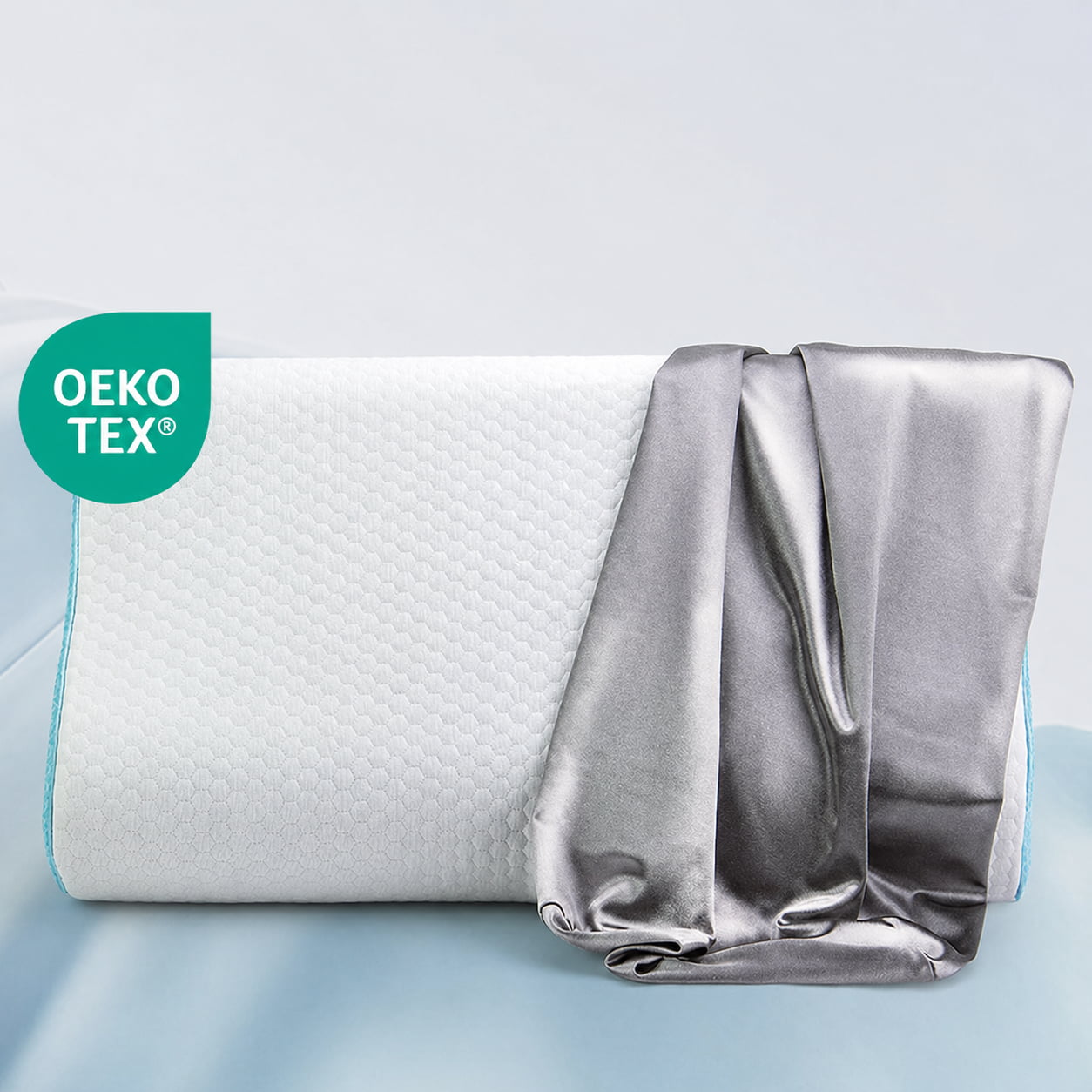
- Certifications: OEKO-TEX ensures chemical safety, GRS/RCS signals sustainable sourcing.
Hotels must weigh these metrics against operational realities. For instance, a high-GSM cotton sheet may need longer drying, increasing labor costs, whereas a well-certified microfiber may maintain color and hygiene with minimal effort.
Recommended Fabrics for Different Hotel Types
Different hotel types have different fabric needs.
High-turnover hotels thrive on cotton-poly blends, long-stay hotels prefer pure cotton, tropical/hot region hotels benefit from breathable fabrics like cotton, linen, bamboo, or Tencel, and private-brand hotels can mix fabrics for brand differentiation.
Dive deeper Paragraph:
- High-Turnover Hotels: Cotton-poly blends; durable and cost-efficient.
- Long-Stay Hotels: Pure cotton; soft and comfortable.
- Tropical/Hot Regions Hotels: Breathable fabrics like cotton, linen, bamboo, and Tencel; absorb moisture and stay cool, reducing mold and humidity issues.
- Private Brand Hotels: Customized fabric blends to enhance brand identity while controlling costs.
Procurement must consider wash frequency, climate, guest expectations, and storage. Using breathable fabrics in tropical climates minimizes mold and improves guest comfort. The right choice reduces replacement frequency and improves reviews.
Common Procurement Mistakes and How to Avoid Them
Hotels often fall into predictable errors when buying bedding.
Mistakes include focusing solely on price, chasing high thread counts, ignoring climate, or relying on certifications without verification. Smart checks can prevent costly issues.
- Price-Only Focus: Leads to rapid wear and higher replacement costs.
- High Thread Count Obsession: Comfort does not always correlate with thread count.
- Ignoring Climate Effects: Damp climates accelerate wear on cotton.
- Certification Mismatch: Verify actual standards; don’t trust labels blindly.
Avoidance strategies: sample tests, supplier audits, and lifecycle cost calculation. Proactive measures save money and maintain guest satisfaction.
How to Test Bedding Fabric Before Bulk Purchase?
Testing before bulk orders avoids regrets and hidden costs.
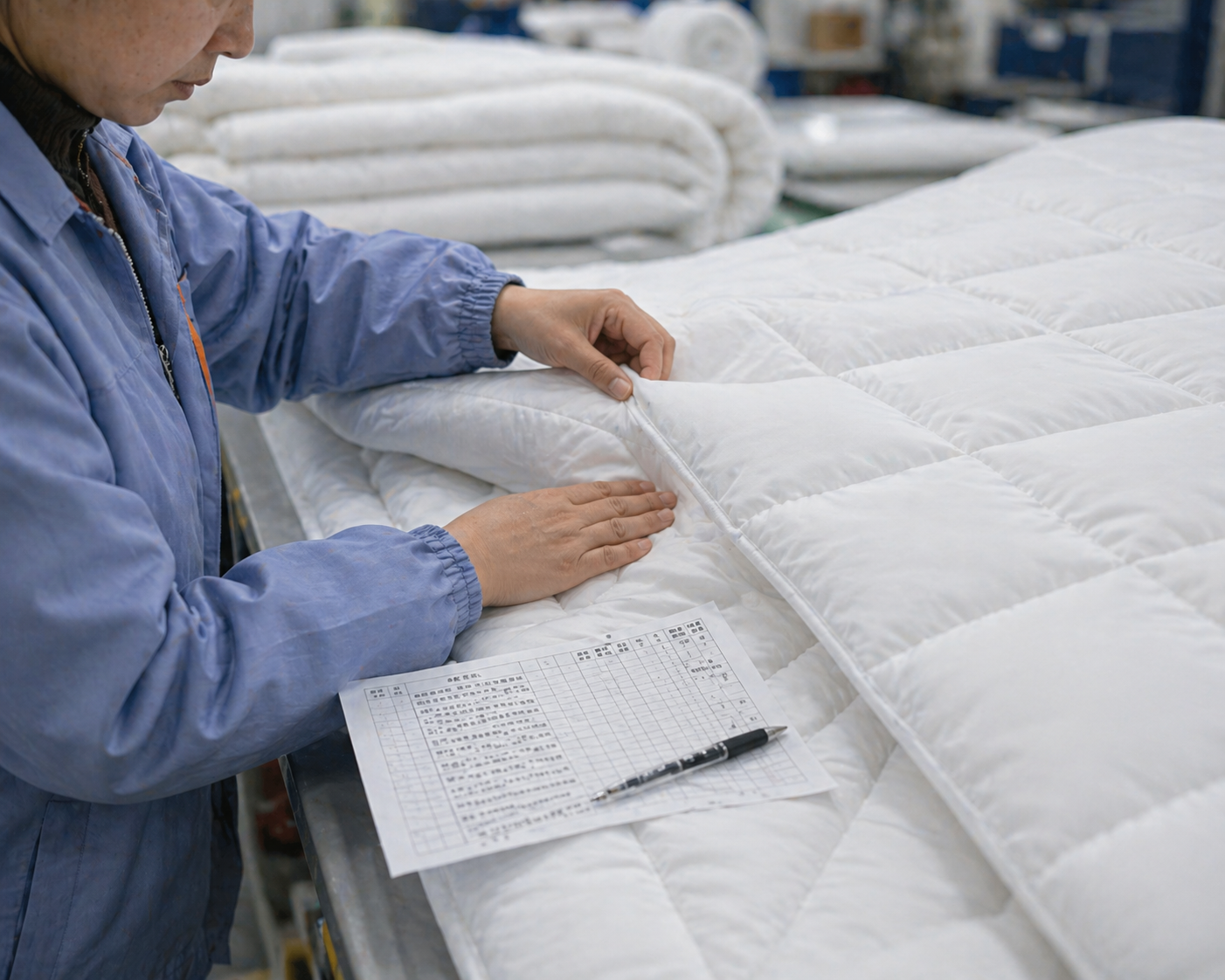
Small-batch washing, shrinkage tests, pilling checks, color evaluation, and seam inspection ensure fabrics perform well under operational conditions.
- Small-Batch Wash Test: Observe shrinkage, color loss, and softness.
- Pilling and Wear: Rub samples to check fuzzing.
- Color Change Assessment: Evaluate fading after multiple washes.
- Seam Strength: Inspect stitching and fabric durability.
Document results and compare across suppliers. Testing ensures bulk orders meet operational demands and maintain consistent guest experience.
Conclusion
Selecting bedding fabrics balances comfort, durability, and cost. Strategic choice improves guest satisfaction while lowering operational burdens.
FAQ
Q1: What is the most common bedding fabric in economy hotels?
A1: Cotton-polyester blends are most common due to durability, cost efficiency, and ease of maintenance.
Q2: Should I choose microfiber or cotton-poly blends?
A2: Microfiber is faster drying and stain-resistant, while cotton-poly offers more natural feel. High-turnover hotels prefer blends; efficiency-driven hotels may choose microfiber.
Q3: Does a higher thread count always mean more comfort?
A3: Not necessarily. Thread count matters less than fiber quality, weave, and GSM.
Q4: How can I calculate total bedding cost?
A4: Consider purchase price, expected lifespan, washing frequency, energy and labor costs, and replacement cycles.
Q5: How to avoid purchasing mistakes?
A5: Test samples, check certifications, account for climate, and analyze lifecycle costs before bulk procurement.