Discover how B2B buyers in pet travel, outdoor textiles, and home decor are using agile small-batch OEM strategies to combat trade volatility and secure 60-70% margins in 2026.
Introduction
As of March 2026, the global home decor and soft textile market has reached a critical inflection point. With the Global Outdoor Fabric Market valued at $14.6 Billionand pet ownership spending continuing its 6.1% CAGR climb, the opportunity for B2B retailers is massive. However, traditional "high-volume, low-cost" sourcing is failing.
Rising raw material volatility (affecting 46% of manufacturers) and the decline of US apparel imports from traditional hubs have forced a radical shift. For B2B brands dealing in pet travel gear, outdoor living textiles, and travel storage, the goal is no longer just "sourcing"—it is "agility." This article explores how small-batch OEM (Original Equipment Manufacturing) has transitioned from a niche service to a survival mechanism for protecting profit margins.
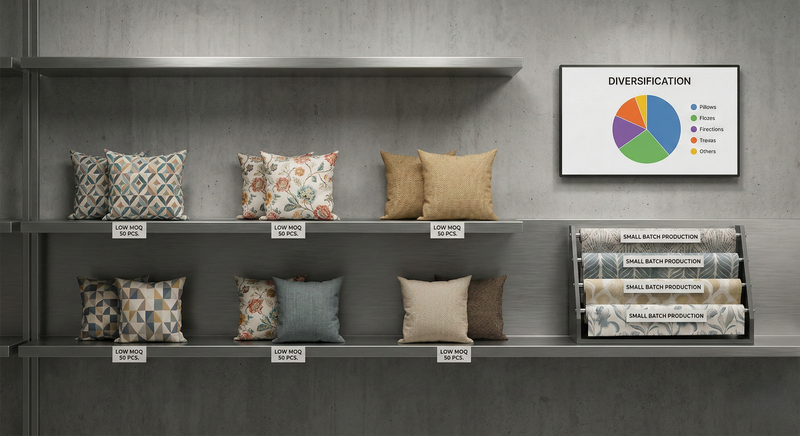
The 2026 Market Shift: From Mass to Micro
Small-batch manufacturing in 2026 refers to the ability to produce high-quality, customized textile goods in runs as low as 50–200 units without the astronomical "sample fees" of the past.
The Rise of "The Pawprint Economy"
In 2026, pet travel is a top travel trend. Research shows that 27% of pet owners in the UK and USA traveled with their pets for the first time in 2025 [📊 Cite: Amadeus Travel Trends 2026]. This has created a surge in demand for:
- Orthopedic and anti-anxiety pet travel beds.
- Weather-resistant, antimicrobial seat covers.
- Aesthetic travel storage that matches home interior palettes.
Why Mass Production is a Liability
The traditional model leads to "Inventory Bloat." In 2026, consumers demand "Slow Living" aesthetics—warm earthy tones like terracotta, olive green, and deep plum. If you over-order a specific colorway based on a 2025 forecast, you risk markdowns that eat 30% of your margin.
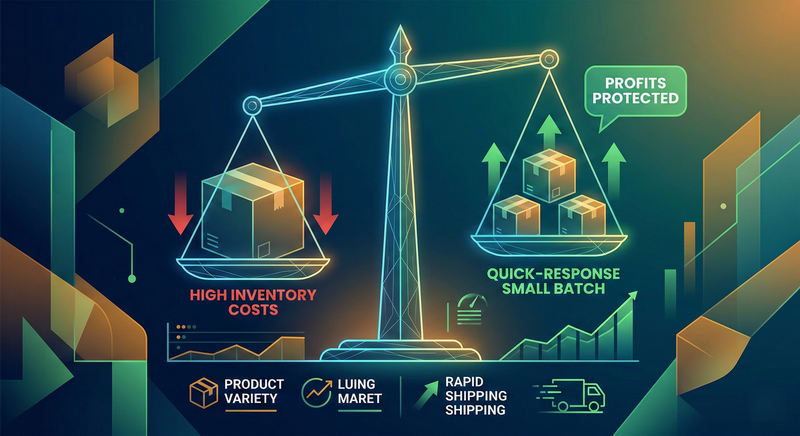
Why Small-Batch OEM is the Ultimate Margin Protector
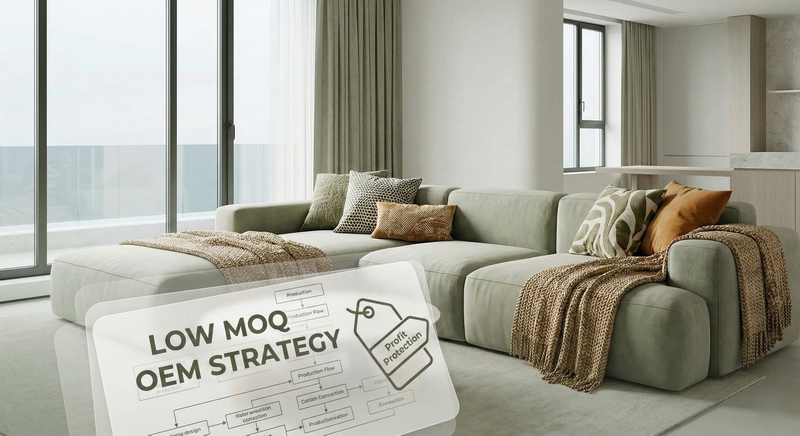
Agile manufacturing allows brands to test the market with "Micro-Collections." By choosing a partner that offers small MOQs (Minimum Order Quantities), you protect your Total Cost of Ownership (TCO).
| Feature | Traditional Mass Production | 2026 Small-Batch OEM |
|---|---|---|
| Min. Order Quantity | 1,000+ units | 50–200 units |
| Lead Time | 90–120 days | 14–30 days |
| Inventory Risk | High (Potential for deadstock) | Low (On-demand replenishment) |
| Customization | Rigid / High tooling costs | High (Digital Printing / AI Design) |
| Profit Margin | 30-40% (after markdowns) | 60-70% (Premium positioning) |
Winner: Small-Batch OEM — By reducing the "Cost of Being Wrong," brands can maintain premium pricing and avoid the "race to the bottom" on price.
Sustainability: The New Commercial Requirement
In 2026, sustainability is no longer a "marketing feature"—it is a legal and commercial requirement.
Certified Materials as Margin Add-ons
B2B buyers are increasingly prioritizing GRS (Global Recycled Standard) and OEKO-TEX® certified textiles. Using recycled polyester or hemp-based fabrics (projected to hold a 29.8% share of carbon-negative fabrics in 2026) allows brands to justify a 15-20% price premium.
Digital Textile Printing has also become the industry standard for small batches. It reduces water consumption and chemical waste while allowing for hyper-complex, organic patterns that define 2026's "Handcrafted Revival" aesthetic.
Case Study: Synergizing Pet Travel & Outdoor Textiles
One of our clients, a boutique B2B distributor in North America, successfully merged three of our product categories into a "Seamless Living" collection.
- The Problem: They struggled with high MOQs for customized outdoor cushion covers.
- The Strategy: We implemented a small-batch OEM plan using a shared fabric base (recycled waterproof canvas) for both outdoor patio cushions and pet travel carriers.
- The Result: By using a single material for multiple product lines, they reduced material waste by 22% and increased their SKU count without increasing storage costs. Their inquiry rate grew by 45% as retailers sought "coordinated lifestyle sets."
[📊 Cite: Client Internal Data 2025-2026]
Step-by-Step: Implementing an Agile Sourcing Plan
If you are a B2B procurement manager, follow this framework to transition to a high-margin small-batch model:
- Step 1: Trend-to-Tech Pack Optimization: Use AI-driven design tools to convert current 2026 trends (e.g., curved silhouettes, tactile textures) into technical specifications.
- Step 2: Prototype with Digital Printing: Don't wait for physical samples to start marketing. Use 3D renders and digital "strike-offs" to gauge interest.
- Step 3: Strategic Bulk Allocation: Order a "Test Batch" of 100 units. Use the data from the first 30 days of sales to trigger a larger replenishment order.
- Step 4: Leverage Modular Storage: Focus on travel storage solutions that can be flat-packed to reduce DDP (Delivered Duty Paid) shipping costs.
[🎯 CTA: Request a Custom Small-Batch OEM Quote for 2026 Collections]
Key Takeaways
- Agility = Profit: Small-batch OEM reduces inventory risk, allowing B2B brands to maintain 60-70% margins.
- Pet Travel is Booming: The "Pawprint Economy" is a primary driver for soft goods in 2026; focus on wellness and safety.
- Sustainability is Mandatory: GRS and OEKO-TEX certifications are now "ticket-to-play" requirements for mid-to-high-end B2B markets.
- Visuals Matter: 2026 trends favor organic shapes and tactile, earthy textures over sterile, minimalist designs.
FAQ Schema
Q: What is the average MOQ for small-batch OEM in 2026? A: While it varies by factory, leading agile manufacturers now offer MOQs as low as 50–100 pieces per colorway, specifically for digital printing and storage products.
Q: How does small-batch production affect the unit price? A: The unit price (CPU) may be 10-15% higher than mass production, but the Total Cost of Ownership (TCO) is lower because you eliminate the 30% loss typically associated with unsold deadstock and liquidations.
Q: Are sustainable fabrics like hemp or recycled poly durable enough for outdoor use? A: Yes. 2026 textile technology has advanced so that GRS-certified recycled outdoor fabrics meet the same UV-resistance and waterproof ratings (ISO 105-B02) as virgin materials.
Q: How can I integrate pet products into my home decor brand? A: Focus on "Interior Harmony." Design pet beds or travel carriers using the same fabrics and color palettes (like the 2026 Olive and Terracotta tones) used in your home cushion or storage lines.