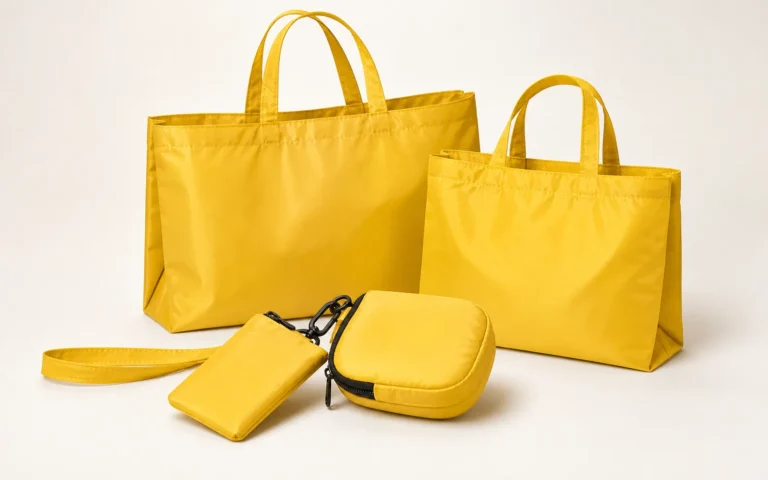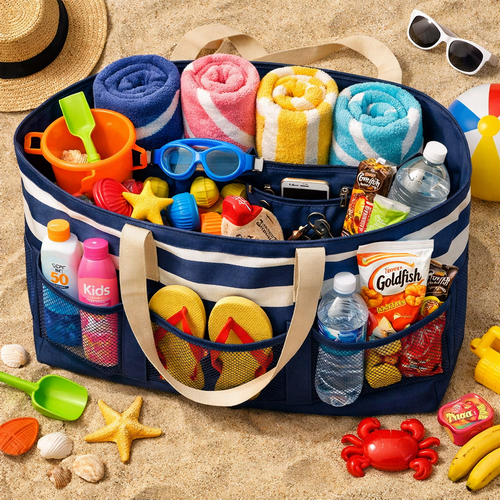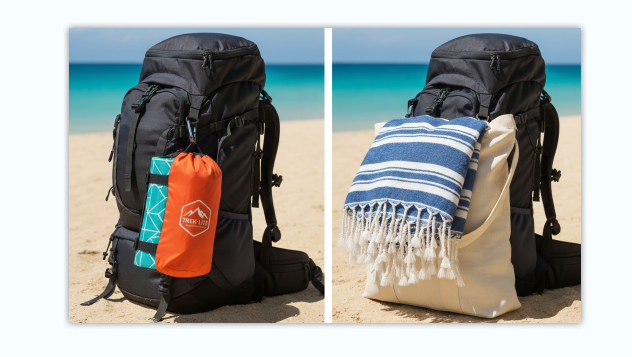
LisoHome serves buyers across pet travel, outdoor living textiles, home soft decor, bathroom and spa textiles, and travel organizers. That mix matters because buyers today rarely win with one isolated SKU. They win with coordinated assortments, consistent quality standards, and clear private-label execution. In 2026, procurement teams are under pressure to launch faster, reduce risk, and still protect margin. This article is written for brand owners, category managers, importers, and distributors who need practical moves instead of generic advice.
Topic focus: Travel Organizer
For this topic, the key is to connect market demand with execution details. Teams often discuss trends at a high level, but orders are won or lost on specifics: size logic, material consistency, packaging readiness, and timeline confidence. If your team aligns these early, you reduce friction in both sourcing and sales.
Why this topic matters now
In 2026, demand is still growing, but buying behavior is stricter. Buyers now ask for documented specs, realistic lead times, and proof of consistency before they scale volume. Many suppliers can provide a sample; fewer can keep execution stable after the first order. That gap is where most margin leaks happen.
For travel organizer programs, this point is especially relevant because buyers compare not only item price but also risk, speed, and after-order stability.
What buyers are asking in real RFQs
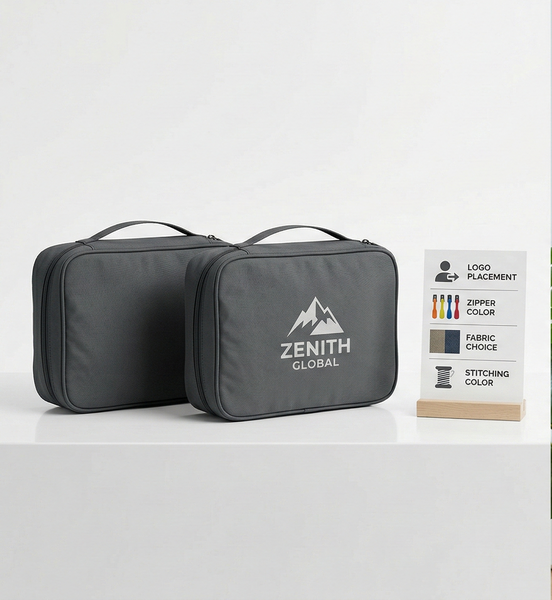
Most serious RFQs now include five practical questions: What is the true MOQ by customization level? What changes lead time the most? Which materials are stable across seasons? What packaging options are available for channel requirements? Which documents can be shared for buyer verification? If your sales content and product pages answer these early, quote-to-order conversion improves dramatically.
For travel organizer programs, this point is especially relevant because buyers compare not only item price but also risk, speed, and after-order stability.
Product strategy that supports reorder, not just first purchase
A healthy B2B program should be built around a hero SKU, two supporting SKUs, and one low-friction add-on. The hero SKU drives traffic and inquiry volume. Supporting SKUs increase average order value. Add-ons increase attachment rate and repeat potential. This is more reliable than launching too many similar products and hoping one wins.
For travel organizer programs, this point is especially relevant because buyers compare not only item price but also risk, speed, and after-order stability.
Pricing discipline in volatile freight conditions
For cross-border programs, unit price alone is not enough. Buyers should evaluate landed economics with clear assumptions: freight sensitivity, carton utilization, defect allowance, and quote validity period. Sellers should avoid over-promising static pricing in unstable periods. Transparent pricing logic builds trust and reduces renegotiation friction.
For travel organizer programs, this point is especially relevant because buyers compare not only item price but also risk, speed, and after-order stability.
Quality consistency framework
The most practical quality model is checkpoint-based: incoming material check, inline inspection, final inspection, and packing/carton check. When buyers request QC photos or summary reports by checkpoint, disputes drop and collaboration improves. This is especially important for textile-heavy categories where small material variance can trigger return risk.
For travel organizer programs, this point is especially relevant because buyers compare not only item price but also risk, speed, and after-order stability.
Packaging is a conversion factor, not a back-office detail
Private-label buyers care about hangtags, labels, barcodes, carton markings, and retail readiness. A supplier that can coordinate these details early in development usually shortens launch time and avoids costly rework. For multi-category programs, unified packaging logic also improves brand consistency.
For travel organizer programs, this point is especially relevant because buyers compare not only item price but also risk, speed, and after-order stability.
How to shorten sampling loops
Sampling speed is not only about factory capacity. It depends on input clarity. Buyers that provide reference images, target specs, size logic, material preference, and intended market get faster, cleaner sample rounds. Suppliers should confirm assumptions in writing before cutting sample materials. One clear pre-sample alignment call can save two full iterations.
For travel organizer programs, this point is especially relevant because buyers compare not only item price but also risk, speed, and after-order stability.
Category bundling opportunities for 2026
Buyers are increasingly bundling across use scenarios: pet travel kits, beach day sets, home comfort bundles, and travel organizer sets. Bundles raise perceived value and reduce direct price comparison pressure. For suppliers, coordinated category capability creates a stronger commercial moat than single-SKU competition.
For travel organizer programs, this point is especially relevant because buyers compare not only item price but also risk, speed, and after-order stability.

A practical table for procurement teams
| Decision Area | What to Check | Evidence to Request |
|---|---|---|
| MOQ & Flexibility | MOQ by color/material/logo level | Written MOQ matrix |
| Timeline | Sample and production windows | Dated production schedule |
| Quality | Inspection checkpoints | QC photo/report sample |
| Packaging | Label/barcode/carton options | Packaging spec sheet |
| Compliance | Market-specific doc scope | Document checklist by market |
For travel organizer programs, this point is especially relevant because buyers compare not only item price but also risk, speed, and after-order stability.
30-day execution plan
Week 1: finalize product scope and target market assumptions. Week 2: collect RFQs using one standardized template. Week 3: sample review + packaging confirmation + compliance scope check. Week 4: commercial terms lock + pilot order decision. This cadence is fast enough for seasonal windows and controlled enough to prevent expensive mistakes.
For travel organizer programs, this point is especially relevant because buyers compare not only item price but also risk, speed, and after-order stability.
Final takeaway
In 2026, strong B2B suppliers are no longer judged only by product availability. They are judged by execution reliability, communication clarity, and the ability to support private-label growth without operational chaos. Buyers that choose partners with this mindset usually scale faster and sleep better during production season.
For travel organizer programs, this point is especially relevant because buyers compare not only item price but also risk, speed, and after-order stability.
FAQ for B2B buyers
- Q1: Can we start with a small trial and scale later? Yes. A trial batch is often the best way to validate quality consistency, packaging compatibility, and sell-through speed before larger commitments.
- Q2: What information gives us the fastest accurate quote? Target market, product category, reference images/specs, quantity target, customization needs, and desired launch timing.
- Q3: What is the most common cause of delayed launches? Late clarification on specs and packaging. Fix this by freezing critical assumptions before sample approval.
- Q4: How should we compare two suppliers fairly? Use one RFQ template and score both on MOQ flexibility, lead time confidence, quality controls, and packaging capability—not only ex-factory price.
- Q5: What should be included in a pilot PO? A clear SKU list, approved sample reference, packaging details, timeline checkpoints, and agreed remedy process for defects or delays.
Suggested CTA
If you’re planning your next seasonal launch, prepare a buyer-ready RFQ package and request a spec-based feasibility review before discussing final price. This single step usually improves quote accuracy, speeds up sampling, and protects margin during negotiation.
Additional practical note
A useful internal rule is to separate ‘nice-to-have customization’ from ‘must-have commercial requirements’ before supplier discussion. This prevents negotiation from drifting into low-impact details and keeps your team focused on what affects sell-through, compliance, and fulfillment reliability. When teams apply this discipline, they make faster decisions and reduce project fatigue across design, sourcing, and sales.