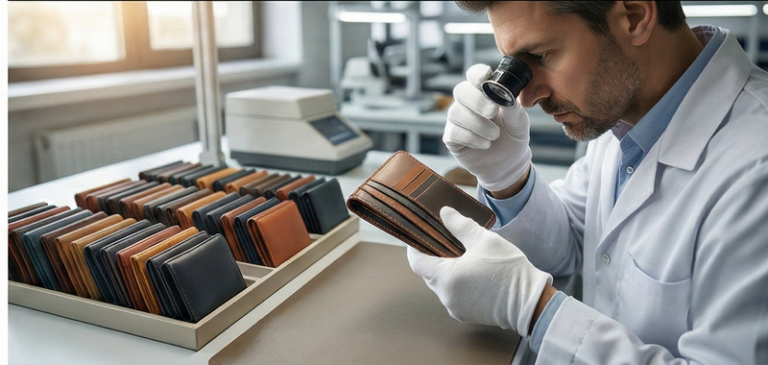
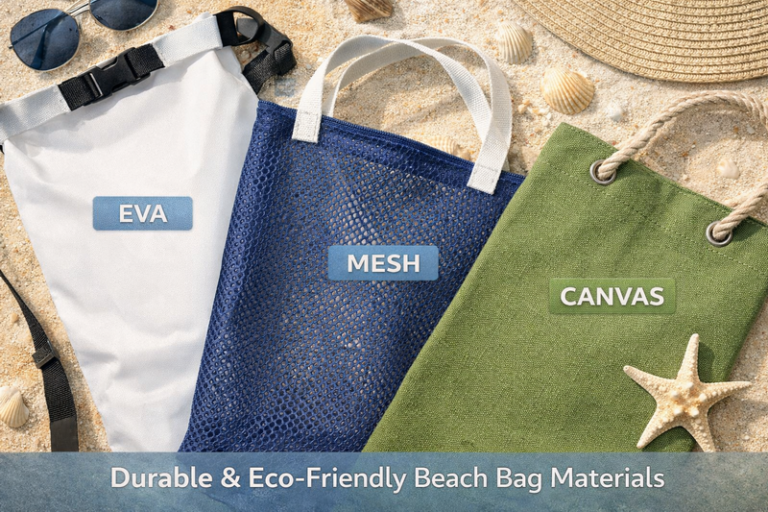
A cheap cooler bag quote looks attractive until the lining smells wrong, the zipper fails, or the cold chain promise creates customer complaints.
Importers should check PEVA lining, food-grade wording, 5mm EPE insulation, zipper quality, seam route, logo method, print MOQ, packaging, and Beach Day collection fit before sourcing custom cooler bags. The safest cooler bag project starts with use scene and product route, not only unit price.
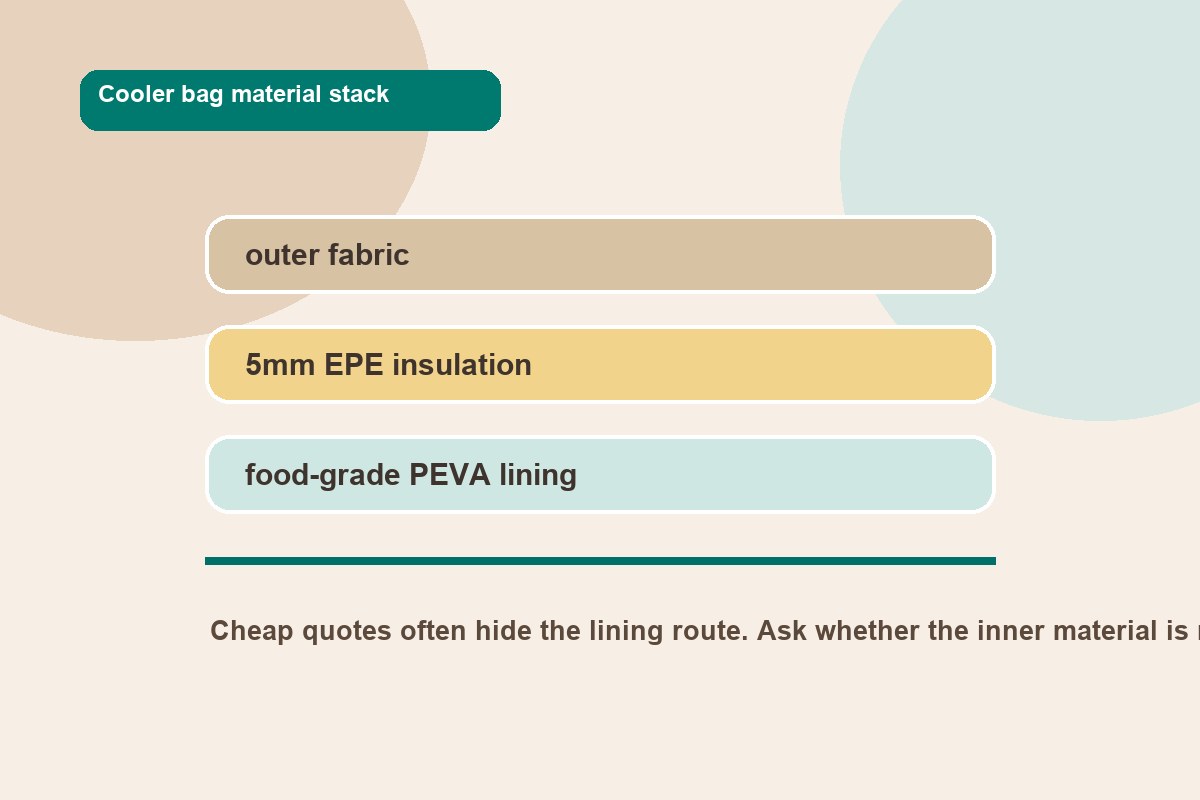
I see many buyers compare cooler bags as if they are simple promotional totes. That is risky. A cooler bag is a fabric product, an insulation product, and a food-contact product at the same time.
Public market signals also point in this direction. Hydro Flask's 2026 Carryout Cooler line shows that soft coolers are now sold with structure, lifestyle design, food-safe interiors, recycled polyester, and different carrying formats. Product reviewers also test temperature retention, construction, leak behavior, comfort, cleaning, and capacity. This means buyers are not only buying a bag. They are buying performance and trust.
For a commercial route, buyers can compare LISO's cooler bag manufacturer page and the full Beach Day Essentials product hub after reading this guide.
Why is a cooler bag more than an insulated tote?
Many buyers start with the visible outside.
A cooler bag is more than an insulated tote because the outer fabric, PEVA lining, EPE insulation, zipper, seam construction, logo method, and packaging all affect performance. A low quote may hide weak lining or thin insulation, which can create food-safety, odor, leakage, and brand complaints.
What does this mean for importers?
The outside fabric makes the product look good. But the inside decides whether the buyer can safely sell it as a cooler bag. Many cheap domestic suppliers, especially some low-cost trading routes, quote very aggressively. The problem is that the inner material may not be real PEVA. They may call it PEVA in conversation, but the lining route does not match what a serious buyer expects.
This is why I do not like comparing only the finished photo and unit price. A buyer should ask what the lining is, whether it is food-grade, how thick the EPE insulation is, how the zipper is selected, and whether the supplier can keep the same route in bulk production.
| Part | Buyer assumption | What to verify before sampling |
|---|---|---|
| Outer fabric | It only affects appearance | Fabric affects MOQ, print, handfeel and durability |
| Inner lining | Any silver lining is PEVA | Confirm real PEVA and food-grade wording |
| EPE insulation | Thickness does not matter | 5mm EPE can improve perceived quality and cold retention |
| Zipper | Any zipper can work | YKK or strong selected zipper reduces failure risk |
| Logo | Easy to add later | Logo method can change MOQ and cost |
My sourcing view
LISO should not compete with the cheapest unclear cooler bag quote. Our value is that we explain the material route before the buyer samples. We can use food-grade lining, PEVA lining, washable lining, leak-resistant wording, and 5mm EPE. We also use YKK zipper when needed. Even when a buyer does not choose YKK, we still select better zipper quality than many low-price suppliers.
Which cooler bag route fits a Beach Day program?
Not every buyer needs the same cooler bag.
For Beach Day programs, tote coolers, promotional soft coolers, and collapsible coolers are the most practical routes to push first. Tote coolers fit lifestyle retail. Promotional soft coolers fit brand campaigns. Collapsible coolers help buyers reduce storage and shipping pressure.
How should buyers choose the route?
The buyer should first decide where the cooler bag will be used and sold. A resort shop may care about color, shape, and matching the beach bag or beach mat. A promotional buyer may care more about price, logo area, and fast delivery. A retailer may care about shelf display, seasonal color, packaging, and repeat order potential. An e-commerce seller may care about delivery speed, product photos, and claim safety.
This is why one cooler bag structure cannot serve every channel. A tote cooler can be beautiful and lifestyle-led. A promotional soft cooler can be simple and cost-controlled. A collapsible cooler can save space and make gifting easier. If the buyer is building a Beach Day set, the cooler should not look like a random add-on. It should fit the product story.
| Buyer channel | Better starting route | Main decision factor |
|---|---|---|
| Resort supplier | Tote cooler | Design, color story and guest experience |
| Retailer | Tote cooler or collapsible cooler | Display, packaging and seasonal style |
| Promotional buyer | Promotional soft cooler | Price, logo area and fast delivery |
| E-commerce seller | Tote or collapsible cooler | Photos, delivery time and clear claims |
| Outdoor lifestyle brand | Tote cooler | Stable quality and brand consistency |
My sourcing view
For LISO, I would push tote cooler, promotional soft cooler, and collapsible cooler first. These routes fit Beach Day better than a narrow lunch cooler topic. They also connect naturally with beach bags, beach mats, and towels. That helps buyers see a complete product line, not only one SKU.
How do lining and insulation choices change performance?
Buyers often ask for a cooler bag without naming the material route.
Cooler bag performance changes with the lining and insulation. PEVA lining supports food-grade and washable claims. 5mm EPE gives a stronger structure than many thin 3mm builds. Thicker insulation can improve perceived value, but it may also affect foldability, cost, and packed size.
What should buyers ask suppliers?
The first question is not "can you make a cooler bag?" The better question is "what is the lining route and insulation thickness?" A cheap cooler bag can look fine outside but fail inside. If the inner lining is weak, it can smell bad, crack, stain, or create customer doubt. If the insulation is too thin, the bag may feel cheap and lose cold faster.
LISO usually uses 5mm EPE. This is thicker than many common low-cost builds by about 2mm. That detail matters because buyers can feel the difference. The bag has better structure, better handfeel, and stronger insulation perception. It is not magic. A soft cooler still has tradeoffs compared with a hard cooler. But the 5mm route gives the buyer a more reliable starting point.
| Route | Advantage | Tradeoff |
|---|---|---|
| PEVA lining | Food-grade and washable direction | Must verify true material route |
| 5mm EPE | Better structure and insulation feel | Higher cost than thinner builds |
| Thin EPE | Lower price | Weaker cold retention and handfeel |
| Collapsible body | Easier storage and shipping | Needs careful shape control |
| Structured tote | Better retail appearance | May take more carton space |
My sourcing view
I would rather explain the tradeoff than hide it. A buyer who wants the cheapest promotional giveaway may choose a simpler build. A brand or resort buyer should not accept an unclear lining and thin insulation only to save a small amount. The cost of complaints can be higher than the saving.
When should buyers use leak-resistant instead of leakproof?
Strong claims can create risk.
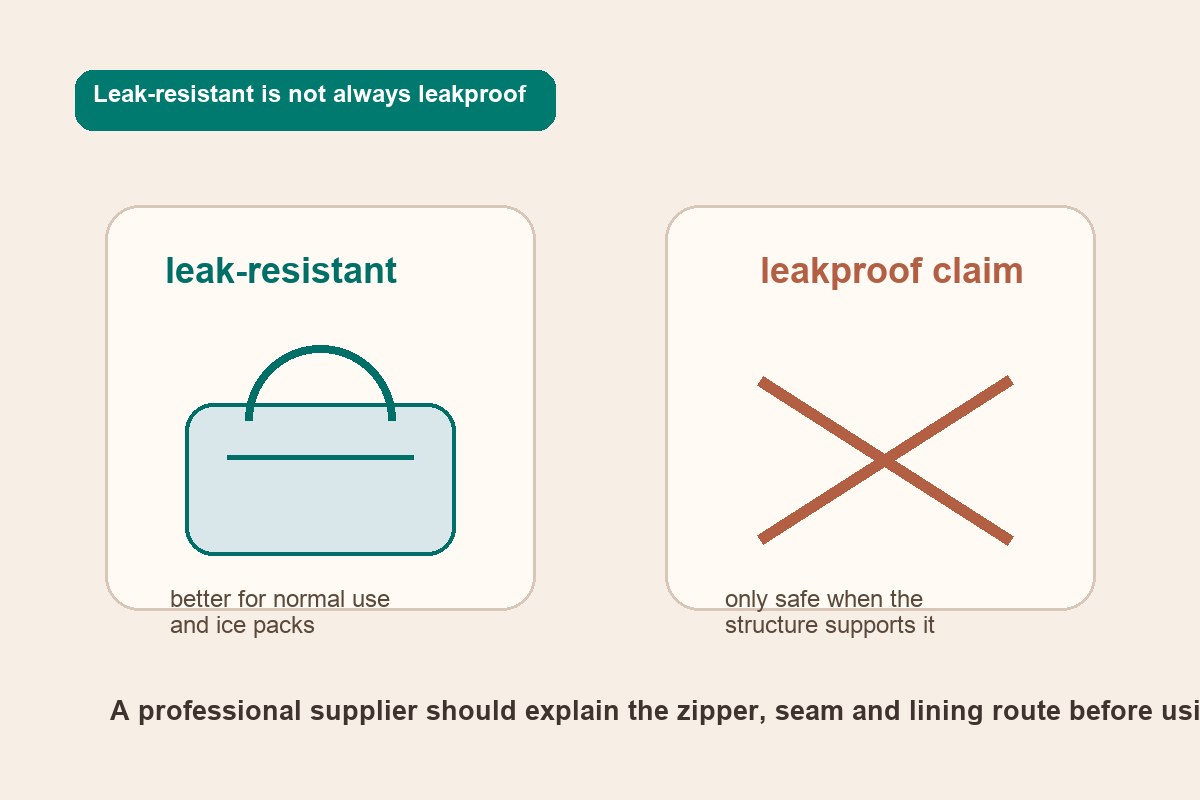
Many cooler bags should be described as leak-resistant, not fully leakproof, unless the zipper, seam, lining, and construction can support that claim. Leak-resistant wording is safer for many soft cooler bags because normal use, ice packs, and real zipper behavior matter.
Why does wording matter?
Soft cooler bags often use zippers, sewn seams, binding, handles, and flexible bodies. Every one of these details can affect leakage. If a buyer uses loose ice, water can move differently than when they use ice packs. If the zipper is weak, the bag may fail faster. If the seam route is poor, the claim becomes risky.
This is why a professional cooler bag manufacturer should help buyers choose safe wording. "Leak-resistant" can be a strong and honest claim when the product is made for normal daily cooling, picnics, beach trips, retail gifting, or promotional use. "Leakproof" should be used only when the structure and testing support it.
| Wording | Safer use | What to check |
|---|---|---|
| Leak-resistant | Soft cooler bags with normal use | Zipper, seam, lining and ice-pack use |
| Leakproof | Only when structure supports it | Testing, sealing route and claim evidence |
| Waterproof fabric | Outer fabric claim | Does not prove the whole bag is waterproof |
| Washable lining | PEVA or similar lining route | Cleaning method and durability |
My sourcing view
I do not recommend using the strongest word just because it sells better. The stronger the claim, the higher the proof burden. For many Beach Day programs, leak-resistant is more honest and safer. Buyers should use ice packs, not assume loose ice behavior, unless the product is built and tested for that use.
How should cooler bags match beach bags, mats and towels?
A cooler bag can be a standalone SKU, but it can also lift the whole collection.
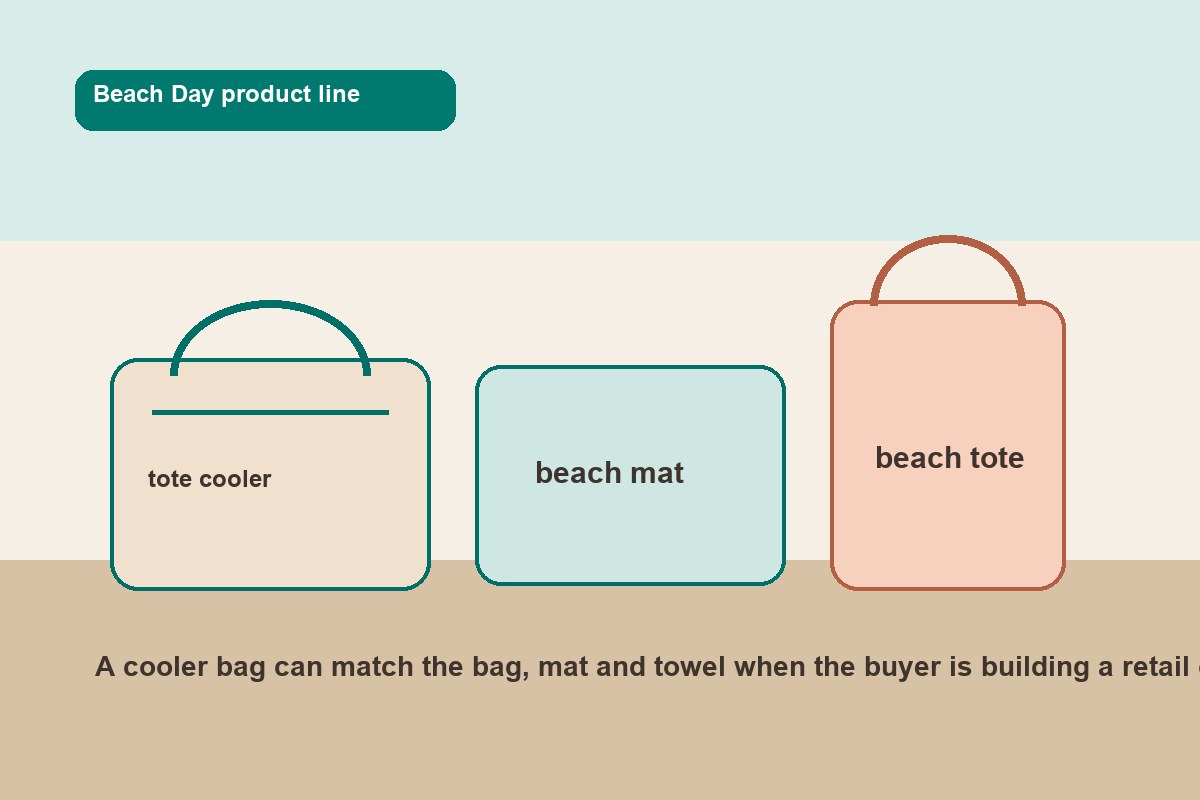
In a Beach Day collection, the cooler bag should match the beach bag, beach mat, and towel when the channel is retail, resort, or lifestyle brand. For promotional buyers, function and price may matter more. The right choice depends on the buyer's channel.
What is the commercial value of matching?
A matched Beach Day set helps the buyer sell a story. The consumer sees the beach tote, cooler bag, mat, towel, and packaging as one lifestyle scene. That can improve display, average order value, and brand memory. It also helps a resort or boutique retailer look more curated.
But this does not mean every channel needs the same level of matching. A promotional buyer may not want full matching. They may want a simple cooler bag with logo, reliable lining, and strong price. An e-commerce seller may want faster delivery and stable photo-ready samples. A brand buyer may want color consistency across products and stable bulk production.
| Product in set | Role in Beach Day program | Matching priority |
|---|---|---|
| Beach bag | Main carry item | High for retail and resort |
| Beach mat | Visual surface and use scene | High for lifestyle collections |
| Cooler bag | Function and basket value | Medium to high |
| Towel | Color story and repeat purchase | High for coordinated retail |
| Packaging | Perceived value | High for gifting and retail |
My sourcing view
For Beach Day, I prefer visual matching when the buyer is a resort, retailer, or lifestyle brand. For promotional customers, price and logo area may be more important. For e-commerce sellers, delivery speed and claim safety are often the priority. LISO can support both routes, but the route must be clear before sampling.
Buyers can also compare LISO's eco beach bag guide and waterproof beach bag sourcing guide when planning a matching set.
If the set also includes a mat, our beach mat sourcing guide can help the buyer compare material, folded size, waterproof backing, and packaging before locking the whole Beach Day program.
What limits low MOQ for custom cooler bags?
Low MOQ is possible, but not unlimited.
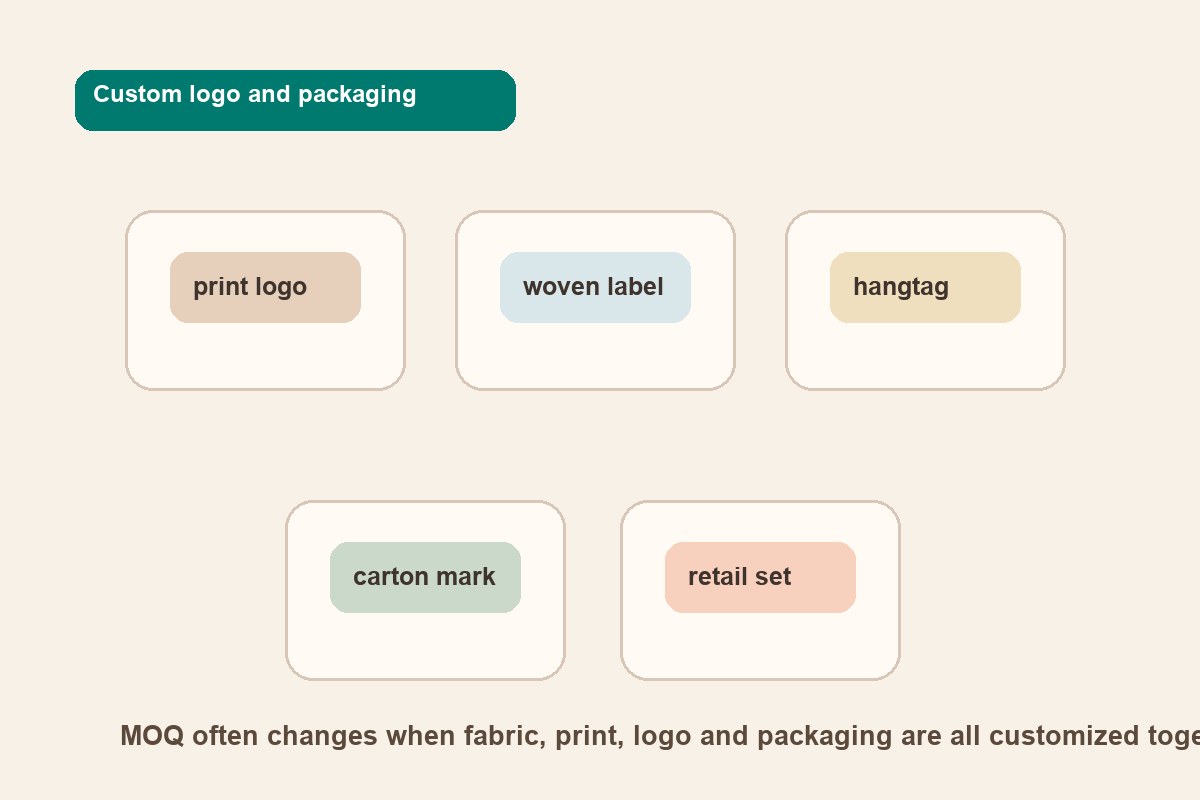
For custom cooler bags, the biggest low-MOQ limits are usually fabric and printing. When buyers use available fabric and simple logo methods, low MOQ is easier. Custom prints, many colors, special fabric, and full packaging systems increase cost and minimums.
What should buyers decide before sampling?
Buyers should decide whether this is a market test or a brand collection. A market test can use available fabric, fewer colors, simple logo, and a focused quantity. A brand collection may need custom print, matching beach bag, matching beach mat, retail packaging, hangtag, and carton marks. That is better for brand value, but it affects MOQ.
This is also why some buyers receive very different quotes. One supplier may quote a vague cooler bag with unclear lining and basic trim. Another supplier may quote real PEVA lining, 5mm EPE, better zipper, better stitching, and retail packaging. The two prices are not comparing the same product.
| Custom item | MOQ effect | Buyer decision |
|---|---|---|
| Available fabric | Easier low MOQ | Good for testing |
| Custom print | Higher MOQ and setup | Better for brand identity |
| Logo method | Changes cost and speed | Choose before quote |
| PEVA lining | Needed for serious cooler route | Confirm material before sampling |
| Packaging | Raises perceived value | Important for retail and resort |
My sourcing view
I do not think low MOQ and low price should be promised together without limits. Fabric and printing are the biggest restrictions. If the buyer wants a small test, use available materials and a focused product route. If the buyer wants a complete Beach Day collection, plan the MOQ around fabric, print, and packaging from the beginning.
What should a cooler bag manufacturer help buyers avoid?
A supplier should not only sew the bag.
A cooler bag manufacturer should help buyers avoid fake PEVA claims, weak lining, thin insulation, poor zipper quality, unsafe leakproof wording, unclear MOQ, mismatched Beach Day sets, and packaging that makes the product look cheaper than it is.
What should the buyer send?
Before sampling, the buyer should send the target cooler bag route, size, use scene, target channel, lining requirement, insulation target, logo method, color reference, quantity, packaging requirement, and expected delivery window. For Beach Day programs, the buyer should also send the product list for the matching bag, mat, towel, or gift set.
This information helps the supplier protect the buyer. It also helps the buyer avoid false quote comparisons. If one factory quotes cheap because it uses unclear lining and thin insulation, that is not a better quote. It is a different product with hidden risk.
Checklist before sampling:
- Use scene: beach, picnic, resort, retail gift, promotion, or e-commerce.
- Product route: tote cooler, promotional soft cooler, collapsible cooler, or backpack cooler.
- Lining: real PEVA, food-grade wording, washable lining requirement.
- Insulation: 5mm EPE or another target.
- Zipper: YKK or selected high-quality zipper.
- Claim wording: leak-resistant, not leakproof unless structure supports it.
- MOQ route: available fabric or custom print.
- Series match: beach bag, mat, towel, packaging and color story.
- Timeline: sample deadline and bulk delivery target.
My sourcing view
LISO's value is not only product supply. It is specification judgment. We can help buyers separate cheap-looking quotes from reliable product routes. For cooler bags, that means material honesty, better insulation, stronger zipper choices, and a clear Beach Day product plan.
FAQ
Is PEVA lining important for custom cooler bags?
Yes. PEVA lining is important because it supports food-grade and washable cooler bag claims. Buyers should confirm the material route because some low-cost suppliers may use cheaper inner materials while still describing them loosely as PEVA.
Is 5mm EPE better than 3mm EPE for cooler bags?
5mm EPE usually gives a stronger structure and better insulation feel than thinner 3mm builds. It may cost more and affect foldability, but it helps the product feel more reliable for retail, resort, and brand programs.
Should cooler bags be called leakproof?
Not always. Many soft cooler bags should use leak-resistant wording unless the zipper, seam, lining, and construction can support a stronger leakproof claim. Leak-resistant is often safer for normal beach, picnic, retail, and promotional use.
Which cooler bag types should importers source first?
For Beach Day programs, tote coolers, promotional soft coolers, and collapsible coolers are practical first routes. Tote coolers fit lifestyle retail and resorts. Promotional soft coolers fit campaign budgets. Collapsible coolers help with storage and shipping.
What limits low MOQ for custom cooler bags?
Fabric and printing usually create the biggest low-MOQ limits. Available fabric and simple logo methods make low MOQ easier. Custom prints, many colors, special materials, and retail packaging increase minimums and cost.
Can cooler bags match beach bags and beach mats?
Yes. Cooler bags can be coordinated with beach bags, beach mats, towels, and packaging to build a complete Beach Day collection. This is useful for resorts, retailers, lifestyle brands, and seasonal gift programs.
Conclusion
A strong cooler bag program starts with honest lining, 5mm EPE, reliable zipper choices, safe claims, and a clear Beach Day collection plan.
My Role
I help buyers turn cooler bags from a risky cheap quote into a practical product route. I care about the PEVA lining, insulation, zipper, claim wording, MOQ, packaging, and how the cooler bag fits the whole Beach Day program.
Which cooler bag manufacturer page should buyers compare next?
If the cooler bag is part of a beach day program, buyers can compare our cooler bag manufacturer page before sampling. It connects custom cooler bags, PEVA lining, food-grade material, 5mm EPE, leak-resistant construction, promotional soft cooler programs, collapsible cooler designs, private label packaging and low MOQ planning.