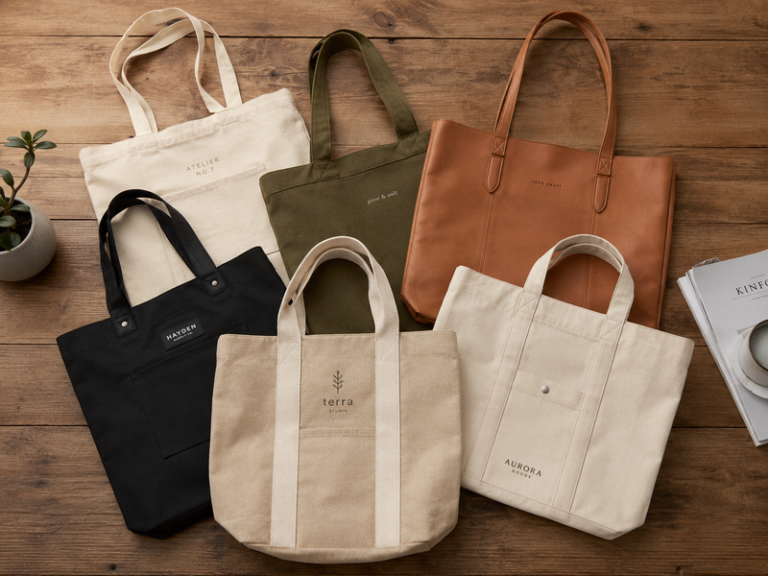
I see many importers make the same mistake. They hunt for one “best” factory, then wonder why the product, margin, and retail fit all start to break at the same time.
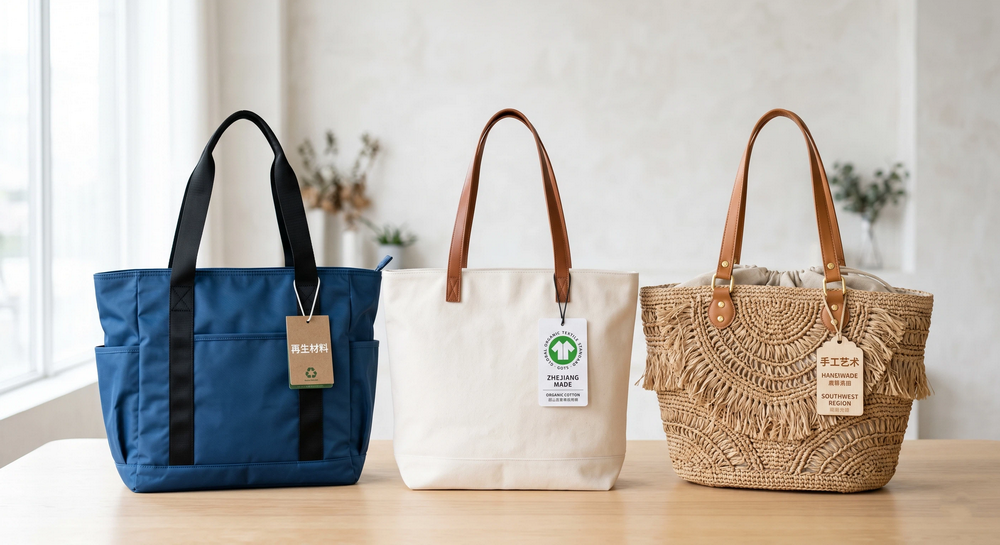
The right sourcing region matters more than the right single factory. In China, Guangdong fits volume retail, Zhejiang fits certified sustainable retail, and Yunnan or Guizhou fits boutique story-led retail. I choose the origin based on the sales channel first, because each region creates a different cost structure, product story, and profit model.
When I source sustainable beach totes, I do not start with “Who can make this bag?” I start with “Where should this bag be made if I want to sell it into a specific retail channel?” That question changes everything. It changes materials. It changes paperwork. It changes margin. It changes how I pitch the bag to buyers. In my experience, importers who understand this early move faster and waste less money. Importers who ignore it often end up with a product that looks fine on paper but does not match the store shelf it is meant for.
Why does Guangdong work best for volume retail?
I have seen many buyers chase “sustainable” positioning and forget the real pressure of volume retail. Big chains want speed, stable pricing, and clean execution before they care about a deeper craft story.
Guangdong works best for volume retail because factories there move fast, quote fast, and update styles fast. I use this region for basic sustainable beach bags when the target is large retail chains that need scale, lower prices, and dependable production rhythm.
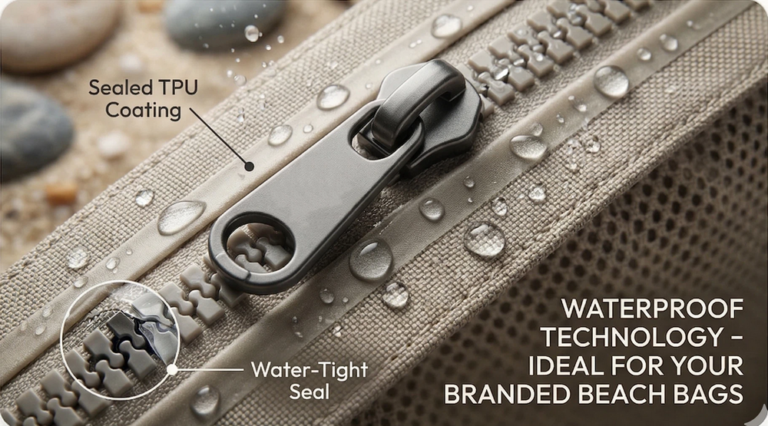
When I look at Guangdong, especially around Shantou and Dongguan, I see a manufacturing base built for scale. This area is strong at nylon, coated fabrics, and water-friendly bags. That matters because many beach tote buyers still want practical features first. They want light weight. They want easy cleaning. They want strong handles. They want a shape that works across many summer collections. Guangdong factories are used to this kind of demand.
Still, I do not treat Guangdong as the best answer for every sustainable project. The weak point is not sewing skill or delivery speed. The weak point is the support system behind true sustainability claims. Organic cotton supply chains are stronger in Zhejiang and Jiangsu. Recycled PET fabric suppliers are more concentrated in Fujian. So when a Guangdong factory needs these inputs, it often has to source across regions. That adds extra movement, more coordination, and sometimes higher cost than buyers expect. A factory may still offer a “green” option, but the supply chain under it is not always as smooth.
That is why I use Guangdong for broad-market retail, not for every certified sustainability project. If my end customer is a chain like Target-style mass retail, sporting goods, resort basics, or a private-label summer program, Guangdong often makes sense. The value is not just low cost. The value is fast turnover and easy replication.
| What I evaluate in Guangdong | What it usually means for my business |
|---|---|
| Fast sampling and style refresh | I can react to trend shifts quickly |
| Good at practical, water-friendly bag types | I can target beach and travel basics |
| Lower entry price on volume orders | I can support large retail promotions |
| Weaker local certified material ecosystem | I may face extra sourcing steps |
| Strong fit for basic SKUs | I can scale proven sellers |
The margin logic here is simple. Unit margin is usually thinner, but order size is larger. Competition is also harder. Many importers can source similar bags from Guangdong. So I do not try to win with a unique origin story here. I try to win with cost control, lead time, packaging discipline, and sell-through support. In this lane, sourcing is an efficiency game.
Why is Zhejiang the smarter choice for certified sustainable retail?
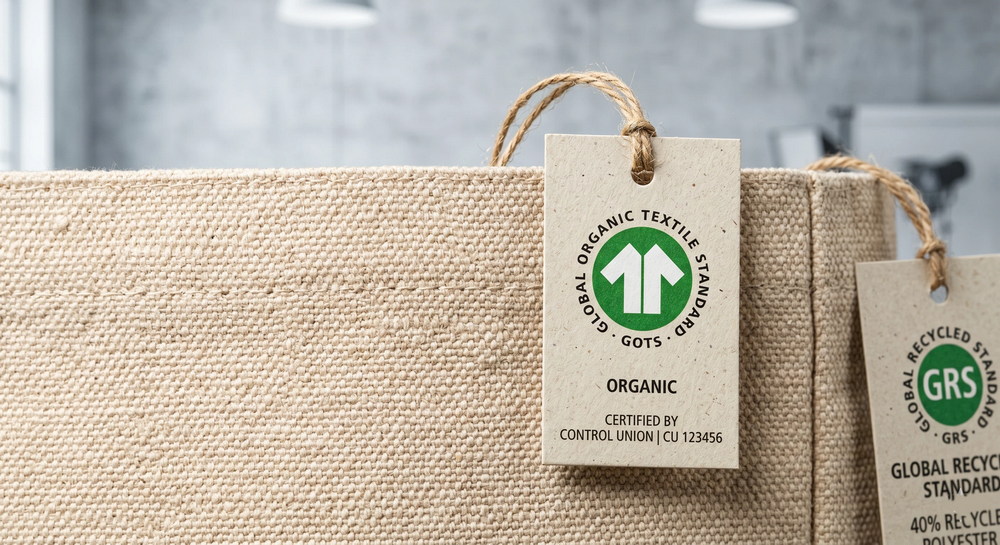 I often meet importers who say they want a “sustainable bag,” but what they really need is a bag that can survive a buyer’s certification review. That is a different job.
Zhejiang is the smarter choice for certified sustainable retail because organic cotton processing, recycled fiber supply, and certification-ready factories are concentrated there. I choose Zhejiang when I need GOTS, GRS, and clean paperwork that can stand up in stricter European retail channels.
In Zhejiang, especially around Jiaxing and Hangzhou, I find a different sourcing logic. This is not just about making bags. It is about making certified products with less friction. That matters a lot when I sell into Europe or to retailers that care about traceability. In these channels, buyers do not just ask what the bag looks like. They ask where the cotton came from. They ask whether the recycled fiber supplier is certified. They ask whether transaction certificates match the order. They ask whether the factory understands audit language. If the supplier cannot answer clearly, the deal slows down or dies.
This is where Zhejiang has a real advantage. The regional network is tighter for organic cotton and recycled materials. GOTS-certified factories and GRS-related suppliers are more concentrated. Because of that, the response time is better. Material coordination is better. Documentation is usually cleaner. I do not have to spend as much energy forcing a factory to build a certified chain around a product after the fact.
That does not always mean Zhejiang is the lowest-cost answer. In many cases, it is not. But I do not judge this region by FOB price alone. I judge it by channel access. If Zhejiang sourcing lets me enter a stricter retail program, then the real value is not a few cents saved on the bag. The real value is access to a higher-grade customer and lower risk in compliance.
| What I evaluate in Zhejiang | What it usually means for my business |
|---|---|
| Dense certified material network | I get faster sourcing support |
| Better GOTS and GRS readiness | I reduce compliance risk |
| Stronger paperwork and traceability | I improve buyer confidence |
| Better fit for Europe-focused programs | I can target stricter retail channels |
| Slightly higher sourcing discipline needs | I must plan clearly from the start |
The profit structure here is very different from Guangdong. Volume may be lower, but gross margin can be healthier because the barrier to entry is higher. Not every importer can organize certified sourcing well. Not every factory can support the paperwork. That lowers some of the direct competition. I often see Zhejiang as a channel-enabling region. It helps me sell into organic shops, eco retail groups, certified children’s stores, and parts of the European market where the document set is almost as important as the product itself.
Why do Yunnan and Guizhou create the best fit for boutique and story-led retail?
Many importers still think product consistency is always the goal. In boutique retail, I have learned the opposite can be true. Small differences can be the value.
Yunnan and Guizhou fit boutique and story-led retail because handwoven straw, rattan, and cotton rope bags carry visible craft character and regional identity. I use these sourcing areas for independent boutiques, designer buyers, and premium e-commerce where story, texture, and uniqueness support higher prices.
When I source from Yunnan or Guizhou, I enter a very different business model. These are not just production zones. They are story zones. The handmade feel is not a defect to manage away. It is the reason the customer buys. A woven beach bag with slight variation in shape, weave, or finish can feel more valuable because it looks made by people, not pushed out by a line.
This matters a lot for independent boutiques, design-led stores, and platforms like Wolf & Badger or Not On The High Street style retail. Their buyers do not always want the cheapest repeatable bag. They want something with a point of view. They want texture. They want a shelf story. They want a product page that says something real about origin, material, and making process.
Of course, this path has trade-offs. Handmade production moves slower. Each piece may vary a bit. Capacity is tighter. Quality control needs a different mindset. I cannot apply the same standards I use for a mass factory line. I need to define what variation is acceptable and what crosses the line. I also need better photography, better product copy, and better sales training because the bag must be sold as a crafted object, not just a carry item.
| What I evaluate in Yunnan/Guizhou | What it usually means for my business |
|---|---|
| Handmade texture and visible variation | I can sell uniqueness as value |
| Natural straw, rattan, or cotton rope appeal | I fit premium summer aesthetics |
| Strong regional story | I support boutique storytelling |
| Higher unit price | I need higher retail pricing |
| Lower scale and less standardization | I need channel discipline |
The price is often two to three times higher than factory-made volume styles. Yet I do not see that as a problem when the retail channel is right. In fact, the higher cost helps define the product position. The consumer for this bag is not only buying function. The consumer is buying craft, mood, and meaning. So the margin story is built on premium pricing, not on unit efficiency. That is why I never recommend this sourcing path for a mass retailer that wants uniformity and cost pressure. It is the wrong fit.
Conclusion
I choose the sourcing region by the retail channel first. Guangdong sells scale, Zhejiang sells proof, and Yunnan or Guizhou sell story. That is how I protect margin and retail fit.