1. Why Bean Bag Seating Works for B2B (Adults + Kids)
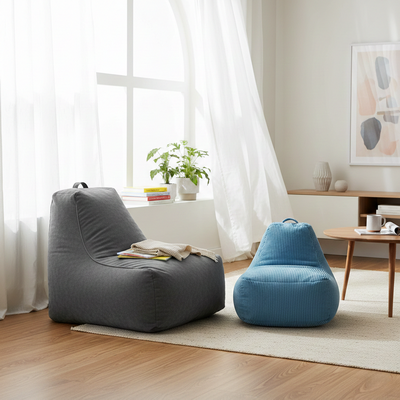
Bean Bag chairs work in B2B because they deliver comfort-per-dollar while being easy to reposition and simple to refresh with cover changes. That matters for spaces that must adapt quickly, like lounges, waiting areas, reading corners, kids zones, and pop-up event seating.
Additionally, the adult + kids pairing gives buyers a clean merchandising story: “one design language, multiple sizes.” That reduces decision friction for distributors and project buyers who want consistent aesthetics across zones.
2. Use Cases: Where Bean Bag Chairs Sell Best
Bean Bag chairs sell best when the environment values relaxed posture, low noise, and informal collaboration.
High-converting B2B scenarios
- Education & libraries: reading corners, sensory rooms, teen study zones
- Daycare & kids venues: play areas, waiting rooms, quiet corners
- Hospitality: hotel lounges, resort family areas, poolside (with outdoor fabrics)
- Offices: breakout zones, creative rooms, wellness rooms
- Retail: interactive product zones, fitting-area lounges, gaming/demo corners
Each use case changes the spec: schools will care about cleanability and safety; hotels care about appearance retention and stain resistance; offices care about ergonomic comfort and brandable design.
3. Product Anatomy: Cover, Fill, Liner, Zippers
A Bean Bag chair is a system, not a single part. A commercial-ready build typically includes:
- Outer cover: visual + tactile comfort, abrasion and stain resistance
- Inner liner: keeps fill contained during cover washing and reduces mess
- Fill: determines support, recovery, weight, and perceived “luxury”
-
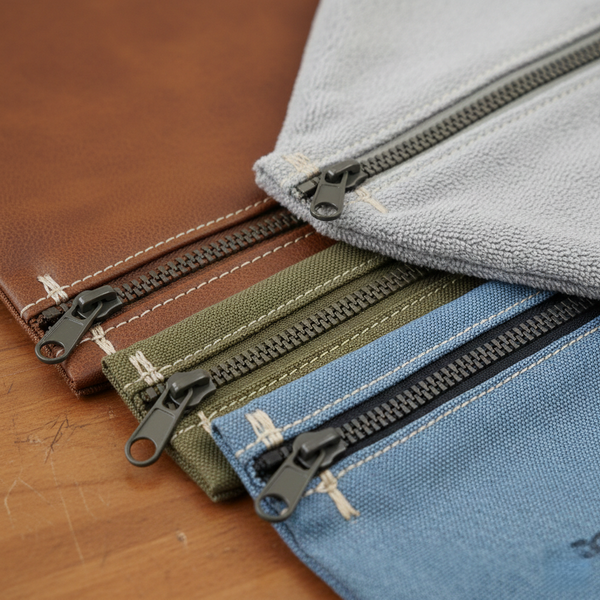
Closures: zippers/Velcro, ideally child-resistant where required
4. Materials Deep Dive: Comfort vs Durability vs Cleaning
Material choice drives most B2B complaints: pilling, staining, seam splits, and “it looks worn after 60 days.” For comfy bean bag chairs, you want a cover that stays soft while resisting abrasion.
Cover materials you’ll see most often
- Microfiber / suede-like: very comfy, strong indoor appeal, moderate stain resistance
- Woven polyester (heavyweight): balanced comfort and durability, good printability
- Oxford fabric (e.g., 300D–600D): tougher, more “commercial,” can feel less cozy
- PU leather / vegan leather: wipe-clean, premium look, can crack if low-grade or exposed to heat/sun
- Outdoor fabrics: solution-dyed acrylic / coated polyester for poolside or patios
Quick comparison table (B2B-friendly)
| Material | Comfort Feel | Durability (Abrasion) | Cleaning | Best For | Watch Outs |
|---|---|---|---|---|---|
| Microfiber | High | Medium | Medium | Home, office lounges | Can attract lint; pilling if low GSM |
| Heavy woven polyester | Medium-High | High | Medium-High | Hospitality, retail | Needs good stitching to avoid seam stress |
| Oxford (300D–600D) | Medium | Very High | High | Schools, high-traffic zones | Can feel “stiffer,” less cozy |
| PU leather | Medium | Medium | Very High | Waiting rooms, clinics | Cracking/peeling if low-grade; heat sensitivity |
| Outdoor-grade fabric | Medium | High | High | Poolside, patios | Higher cost; colorfastness varies |
[📊 Cite: Material performance metrics (abrasion tests), fabric GSM/denier guidance]
Recommendation: If your content idea is “Comfy Bean Bag Chairs for Adults & Kids,” lead with microfiber or soft woven polyester for comfort, then offer Oxford as an “extra-durable commercial option.”
[🎯 CTA: Ask for abrasion test results, seam construction photos, and a cleaning guide before placing a bulk order.]
5. Fill Options: EPS, Shredded Foam, Hybrid
Fill is the difference between “sink-in cozy” and “supports your back.” It also impacts shipping cost and long-term customer satisfaction.
EPS beads (expanded polystyrene)
EPS is lightweight and popular because it reduces freight cost and creates a classic bean bag feel. It’s great for kids sizes and entry price points, but can compress over time and may require refills.
Shredded foam
Shredded foam feels more “sofa-like” and supportive for bean bag chairs for adults. It typically weighs more (higher shipping cost) but can deliver better comfort perception and fewer “flat after 2 months” complaints.
Hybrid fills
Hybrid blends can balance loft, support, and cost. They’re strong candidates for B2B projects where appearance retention matters.
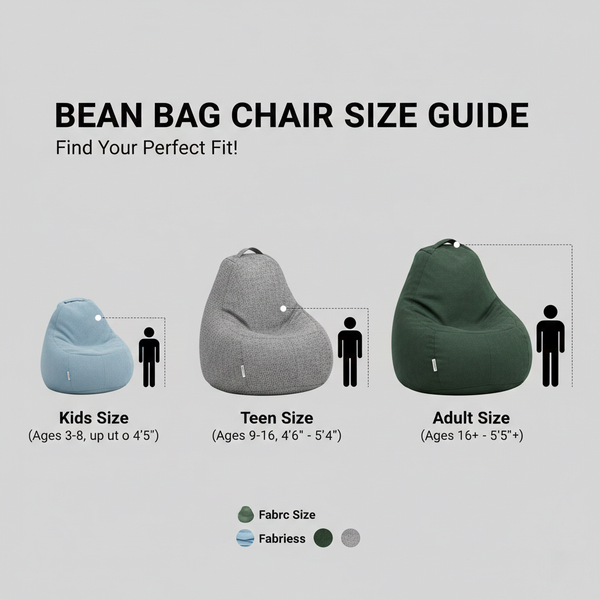
6. Sizing Guide for Adults vs Kids (and Why It Impacts Returns)
Sizing is one of the biggest drivers of returns and negative reviews. In B2B, wrong sizing becomes a project delay.
Adults
Adult bean bags should support shoulder-to-hip comfort and allow easy exit. The more “lounge chair” the posture, the more important the fill density and back support become.
Kids
Kids bean bags must be proportionate, stable, and easier to clean. Avoid designs with exposed small parts or weak zippers. For daycare or early childhood spaces, prioritize easy wipe-down and secure closures.
Practical merchandising strategy: Offer 2–3 sizes max (Kids / Teen / Adult) and standardize materials and colorways. This simplifies procurement and increases order volume per SKU.
7. Safety & Compliance: What B2B Buyers Must Check
For B2B buyers—especially those serving kids—safety is not optional. A product that fails a compliance check can trigger returns, listing removals, and legal risk.
Common compliance considerations (varies by market)
-
Children’s product requirements (if marketed for kids)
-
Flammability standards for soft furnishings (market-dependent)
-
Chemical regulations (e.g., REACH in EU)
-
Textile labeling & traceability requirements
-
Zipper safety: child-resistant closures and double-zip systems where needed
-
**Third-party test reports are available on request (e.g., flammability, chemical compliance, and durability)
-
**We offer compliant material options tailored to your target market and sales channel requirements
-
**We support retail-ready labeling and packaging, including private label, barcode/UPC, warning labels, and carton marking
[📊 Cite: Applicable safety standards/regulatory frameworks per region]
8. Customization & Branding That Actually Converts
High-impact customization options
- Logo patch / embroidery on a durable panel (best for hospitality/office)
- Custom colorways aligned with brand palettes
- Private label packaging (retail-ready cartons, inserts)
- Fabric upgrades (standard vs commercial-grade vs outdoor-grade)
- Shape variations (classic round, lounger, pear, gaming style)
GEO-friendly tip: Use explicit terms like “MOQ,” “lead time,” “Pantone matching,” “OEM/ODM,” and “private label bean bag chairs,” and explain them in plain language.
[🎯 CTA: Want a custom Bean Bag program? Send your logo file + target quantity and we’ll recommend the best cover material and fill for your use case.]
9. Packaging, Shipping, and Damage-Rate Control
Logistics can make or break margins in wholesale seating. Bean bags are bulky, and packaging decisions impact freight class, damage rates, and unboxing satisfaction.
Packaging strategies
- Compressed packing (vacuum) for foam fill to reduce volume
- Separate cover + fill shipment for large projects
- Double-bag liners to reduce fill leakage risk
- Corner protection + strong carton spec for retail channels
10. Cost & TCO: Pricing Beyond Unit Cost
The cheapest unit cost can be the most expensive option after replacements and complaints. In commercial environments, the real cost is total cost of ownership (TCO).
What affects TCO most
- Cover durability and seam reinforcement
- Cleaning frequency and stain resistance
- Fill compression rate and refill availability
- Replaceable covers (swap instead of replacing the whole chair)
Simple positioning line for your blog: “A commercial Bean Bag chair is designed for repeat use, cleaning, and long-term shape retention—not just first-day comfort.”
11. Supplier Evaluation Checklist (Practical + Sales-Ready)
Use this checklist to qualify a wholesale bean bag chairs supplier and reduce risk:
- Material transparency: fabric composition, GSM/denier, backing/coating details
- Construction proof: stitch count, seam type, reinforcement points
- Inner liner included: yes/no, zipper quality, leak prevention
- Fill specification: EPS density or foam type + refill policy
- Cleaning guide: machine washable cover? wipe-clean? shrinkage info?
- Compliance support: test reports available, labeling options
- Customization: MOQ, logo method, Pantone matching, sampling process
- Lead time & capacity: peak season stability, reorder consistency
- Packaging options: compression, carton spec, drop-test approach
- After-sales: spare covers, refill kits, parts policy
📄 下载 PDF:Bean Bag Supplier Evaluation Checklist [🎯 CTA: Download our B2B Bean Bag sourcing checklist (MOQ, materials, compliance, packaging).]
12. Case Study Blueprint: How to Pitch Bean Bags to Commercial Clients
Case Study: Family-friendly hotel lounge refresh (Adults + Kids zones)
A hospitality buyer wants to refresh a lounge without permanent furniture changes. Bean bags enable a quick zoning strategy: adult-size loungers near outlets and coffee tables, kid-size chairs near play corners.
What to propose
- Two-size system: Adult + Kids, same fabric family
- Wipe-clean zone: PU leather or coated woven polyester for high-spill areas
- Comfort zone: microfiber for quieter corners
- Spare cover program: 10–20% spare covers to reduce downtime
- Branding: subtle logo patch + matching accent colors
How to measure success
- Lower replacement frequency vs low-cost seating
- Faster refresh cycles (swap covers)
- Higher guest satisfaction in family areas
[📊 Cite: Example operational metrics used in hospitality procurement]
13. Future Trends: What Buyers Will Ask for Next
The bean bag category is moving toward “soft seating, but engineered.” Expect more B2B questions about:
- Sustainable materials (recycled polyester, certified textiles)
- Fire-retardant options where required
- Antimicrobial or easy-disinfect finishes for clinics and schools
- Modular sets (mix-and-match lounge shapes)
- Retail-ready programs (barcodes, labeling, compliance packs)
Key Takeaways
- Bean Bag chairs become a strong B2B category when you optimize for commercial durability, cleaning, and compliance—not just comfort.
- The best “Comfy Bean Bag Chairs for Adults & Kids” program uses 2–3 sizes, consistent aesthetics, and clear material options (comfort vs commercial-grade).
- Fill choice (EPS vs shredded foam vs hybrid) affects support, shipping cost, and long-term satisfaction.
- Supplier selection should be driven by spec transparency, test report availability, and packaging logistics.
- Add inquiry-focused CTAs: swatch packs, spec sheets, and a sourcing checklist convert traffic into leads.
[🎯 CTA: Ready to build your wholesale Bean Bag program? Request a quote with your target market, sizes (Adults/Kids), fabric preference, and expected order quantity.]
FAQ Schema
Q: What’s the best Bean Bag material for commercial use?
A: For commercial settings, heavy woven polyester or Oxford fabric is usually best because it balances abrasion resistance and easier cleaning. If comfort is the top priority, microfiber can work well indoors, but you should verify anti-pilling performance and seam reinforcement.
Q: Are bean bag chairs safe for kids in schools or daycare?
A: Bean bag chairs can be safe for kids when they include a secure inner liner, child-resistant zipper design, and compliant materials for the target market. For institutional settings, always request documentation, labeling support, and a cleaning protocol.
Q: EPS beads vs shredded foam—what’s better for adults?
A: For adults, shredded foam often feels more supportive and “sofa-like,” while EPS beads are lighter and cheaper to ship. A hybrid fill can balance support and cost, especially for lounges and waiting areas.
Q: What should I ask a wholesale bean bag chairs supplier before ordering?
A: Ask for fabric specs (composition + GSM/denier), seam construction details, fill specification, cleaning guide, packaging options, customization MOQ, and any available test reports for your sales region.
Q: How do custom bean bag chairs help increase B2B conversions?
A: Custom options like logo patches, private label packaging, and standardized colorways reduce buyer uncertainty and improve brand alignment. Clear customization details (MOQ, lead time, sampling) also encourage inquiries from procurement teams.
[Written by the LISO B2B Product Team — specializing in wholesale soft seating and OEM/ODM customization.]