What Outdoor Patio Products Should Importers Buy in 2026?
Outdoor patio products can look simple, but one weak fabric choice can turn a good-looking item into a complaint problem.
Importers should focus on patio products that can reorder, survive outdoor use, and work inside a small coordinated series. In my view, outdoor cushions and outdoor tablecloths are strong starting points because they are visible, repeatable, and easy to connect with related items.
I would not choose a patio product only because it looks popular on social media. I would ask a harder question first. Can this product handle sun, pool water, storage, and repeated use? If it cannot, the importer may win the first order and lose the reorder.
Which Outdoor Patio Products Are Easier to Reorder?
Some patio products are bought once. Some products come back every season because consumers change color, replace worn pieces, or build a matching outdoor look.
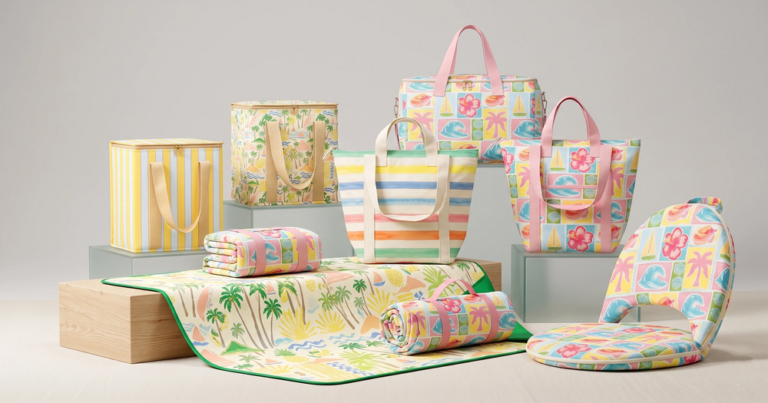
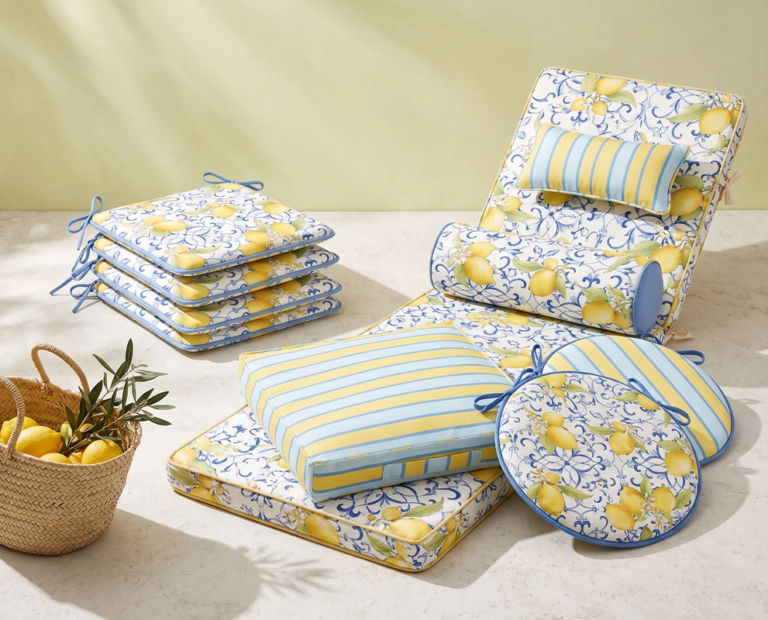
Outdoor cushions and outdoor tablecloths are easier to reorder because they refresh the space without replacing the whole furniture set. They also work well with coordinated products such as chair pads, bench pads, bean bags, throws, and furniture covers.
What should buyers compare?
I usually ask buyers to compare reorder potential before they compare only price. A cushion, tablecloth, or chair pad can create a new color story for a patio without forcing the consumer to buy a new frame. That matters because many 2026 outdoor living trends point toward outdoor spaces that feel more like designed rooms. Color, texture, and textiles are doing more of the work.
| Product | Best for | Main risk | Buyer note |
|---|---|---|---|
| Outdoor cushions | Patio refresh, furniture replacement, retail display | Fading, weak filling, poor size fit | Good first product for repeat orders |
| Outdoor tablecloths | Dining, garden parties, resort use | Staining, weak coating, poor colorfastness | Strong seasonal and decorative item |
| Chair pads and bench pads | Comfort upgrade and easy add-on sale | Wrong size, weak ties, flat filling | Works well in small series |
| Bean bags and poufs | Casual outdoor seating | Filling rebound loss over time | Plan after-sales filling support |
My sourcing view
I prefer patio products that have both visual value and replacement logic. A consumer may not replace an outdoor sofa frame every year, but they may change cushions, tablecloths, and soft accessories. That is why I see outdoor cushions and outdoor tablecloths as practical reorder products. They create a visible change for the consumer and give the importer a reason to sell new colors, new patterns, and new combinations.
What Do Large and Small Patio Buyers Care About Most?
Large buyers and small buyers often ask different questions, so one sourcing answer does not fit everyone.
Large-volume buyers usually care most about unit cost and stable capacity. Smaller buyers usually care most about MOQ and inventory risk. A useful patio supplier should support both scale production and small-batch customization.
What changes the final choice?
Large buyers often already know their product direction. They need pricing, production space, stable quality, and fewer surprises. For them, factory scale matters because it can reduce unit cost and make repeat orders smoother.
Small buyers have another problem. They may know their market, but they cannot put too much money into one product before testing it. Low MOQ gives them a safer way to test outdoor cushions, tablecloths, chair pads, and bean bags as a small coordinated program.
| Buyer type | Main concern | Better sourcing model |
|---|---|---|
| Large importer | Unit cost and production capacity | Scale production with stable fabric planning |
| New brand | MOQ and inventory risk | Small-batch custom series |
| Wholesaler | Reorder speed and consistency | Repeatable fabric, color, and sample control |
| Retail buyer | Display and sell-through | Coordinated products with strong color story |
In my experience, a new buyer should not always start with one single item. I often suggest a small series instead. A small series lets the buyer test more than one category at the same time. It also shows whether the market likes the color, fabric, and visual direction before the buyer scales the order.
Why Is Color Fastness the Most Overlooked Patio Risk?
Outdoor fabric can look good in a sample room and still fail after sun, chlorine water, and daily use.
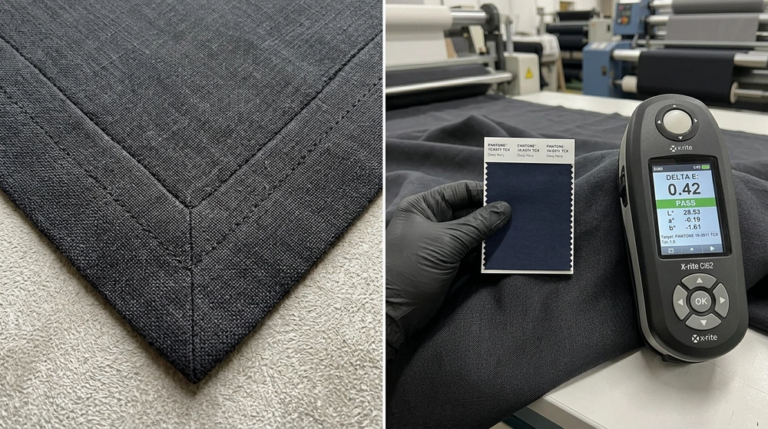
Color fastness is one of the biggest hidden risks in outdoor patio textiles. Patio products may face sunlight, rain, sunscreen, pool water, and cleaning. If the fabric standard is weak, fading can become an after-sales problem.
What should buyers ask before sampling?
Buyers should not only ask whether a fabric is outdoor fabric. They should ask what outdoor condition it is designed for. A patio near a pool has a different risk from a covered balcony. Pool water contains chlorine. If color fastness is low, chlorine water can speed up fading and create consumer complaints.
This is why I care about high-colorfastness fabric technology. In many factories, the colorfastness standard for outdoor textile items is not high enough. At LISO, we use mature high-colorfastness methods that are often used for outdoor furniture fabrics and apply them to outdoor soft goods. When the correct material and process are used, this helps reduce fading complaints.
| Risk | Why it matters | What buyers should confirm |
|---|---|---|
| Sun exposure | UV can weaken color and fabric | Ask about UV and light fastness target |
| Chlorinated pool water | Poolside use can affect color | Ask whether pool-water colorfastness is considered |
| Dark or saturated colors | They show fading more clearly | Confirm color test and sample approval |
| Printed patterns | Different printing methods perform differently | Confirm print method and test needs |
What About Bean Bags and Filling Rebound?
Bean bags and outdoor poufs are attractive because they look casual and easy to sell, but buyers should plan the after-sales side.
Outdoor bean bags can lose rebound after long-term use because filling changes with pressure and time. This does not mean the product is bad. It means importers should plan extra filling and after-sales support before the first order.
In our internal use tests, rebound loss usually appears after long-term use, often around four years. Still, I do not like pretending that filling never changes. A practical solution is to send extra filling with the finished goods. Then wholesalers can support customers after the sale. This makes the product easier to manage and gives the buyer a more honest product plan.
What Should Buyers Confirm Before Sampling?
Buyers should confirm product use, target market, size, fabric, colorfastness target, MOQ, packaging, and after-sales risk before sampling. This keeps the quote accurate and reduces repeated sample changes.
- Product type: cushion, tablecloth, chair pad, bench pad, bean bag, or cover.
- Use scene: poolside, balcony, garden, resort, retail, or hospitality.
- Fabric: polyester, Oxford, olefin, solution-dyed fabric, coated textile, or recycled option.
- Colorfastness: sunlight, chlorine water, washing, and rubbing expectations.
- MOQ: single item or small coordinated series.
- Packaging: retail fold, hangtag, carton, barcode, or set packaging.
- After-sales: extra filling, spare covers, or replacement parts.
When Should Buyers Choose a Small Patio Series?
A small patio series is a good fit when the buyer wants to test several products with lower inventory risk. It is better than one single item when color, fabric, and display consistency matter.
| Buyer situation | Recommended choice | Why it works |
|---|---|---|
| New outdoor brand | Small cushion and tablecloth series | Tests color story and product demand together |
| Wholesaler | Coordinated cushions, chair pads, and covers | Gives retailers a complete display option |
| Resort supplier | Outdoor textiles with high colorfastness | Reduces poolside fading complaints |
| Retail importer | Low MOQ seasonal collection | Lowers inventory risk before scaling |
How Does This Connect to a Full Product Line?
Outdoor patio buying should not stop at one item. A cushion can connect with a tablecloth, chair pad, bench pad, throw, pouf, or furniture cover. That is why I see the Outdoor Patio Living solution as a better path than single-item sourcing.
Buyers can also compare related products such as outdoor cushion options and chair pad options before building the first program.
<section class="liso-cushion-bridge" style="margin:30px 0;padding:20px;border:1px solid #d8c8b4;border-radius:16px;background:#fffaf2;"> <p style="margin:0 0 8px;font-size:12px;letter-spacing:.08em;text-transform:uppercase;color:#007f73;font-weight:700;">Patio cushion sourcing path</p> <h2 style="margin:0 0 10px;font-size:23px;line-height:1.2;">Start with replacement outdoor cushions when fit and fabric decide repeat orders.</h2> <p style="margin:0 0 14px;color:#4f4842;line-height:1.65;">For outdoor patio programs, cushions are often the fastest product to expose supplier quality. Buyers should confirm frame size, fabric route, foam recovery, color fastness, MOQ, packaging and sample timing before bulk production.</p> <a href="https://lisohome.com/product/outdoor-patio/custom-outdoor-cushions/" style="display:inline-block;padding:11px 16px;border-radius:999px;background:#007f73;color:#ffffff;text-decoration:none;font-weight:700;">Review custom outdoor cushion manufacturing options</a> </section>
FAQ
What is the best outdoor patio product for importers to start with?
Outdoor cushions and outdoor tablecloths are strong starting products because they are visible, repeatable, and easy to combine with chair pads, bench pads, covers, and bean bags.
Why does low MOQ matter for outdoor patio products?
Low MOQ reduces inventory risk. It lets buyers test colors, sizes, and product combinations before committing to a large order.
Why is color fastness important for patio textiles?
Outdoor textiles face sunlight, rain, cleaning, and sometimes chlorinated pool water. Weak colorfastness can cause fading and consumer complaints.
Should new importers buy one item or a small series?
I suggest a small series when possible. It tests several categories at once and helps buyers understand which products can become repeat orders.
Conclusion
Importers should buy patio products that can reorder, resist fading, support low MOQ testing, and grow into a coordinated outdoor product line.