Waterproof Beach Mat: What Should Buyers Check Before Sampling?
A waterproof claim can sell a beach mat, but it can also create returns when the construction does not match the real use scene.
A waterproof beach mat should be judged by backing material, top fabric, seam construction, folded size, sand behavior, and use case. Buyers should confirm whether the mat is truly waterproof, only water-resistant, or designed mainly for light splash protection before approving a sample.
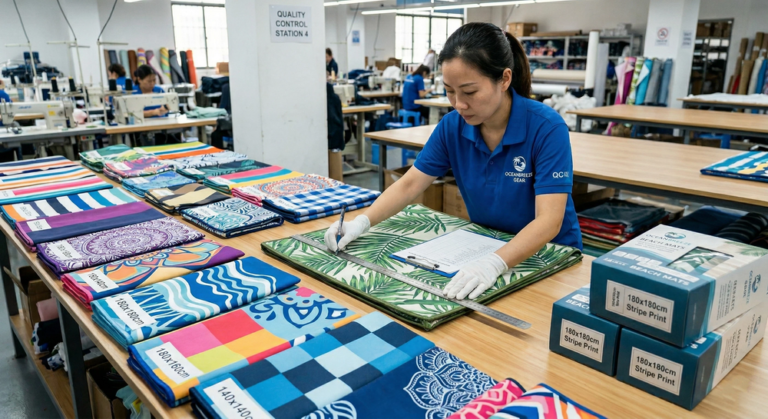
When buyers ask me for a waterproof beach mat, I do not start with the word waterproof.
If you are already preparing an RFQ, use the focused waterproof beach mat manufacturer page to translate these material choices into sample specs, folded size, carry packing, windproof details and private label requirements. I start with the scene. Is this mat for beach travel, resort retail, camping, park picnics, promotional gifts, or family outdoor use?
That question matters because a beach mat and a picnic mat do not always need the same build. A beach mat usually needs to be light, compact, sand-friendly, and easy to shake out. A picnic mat often needs more comfort, more structure, and stronger backing for grass or wet ground.
What makes a waterproof beach mat different from a water-resistant mat?
Many buyers use waterproof and water-resistant as if they mean the same thing. They do not.
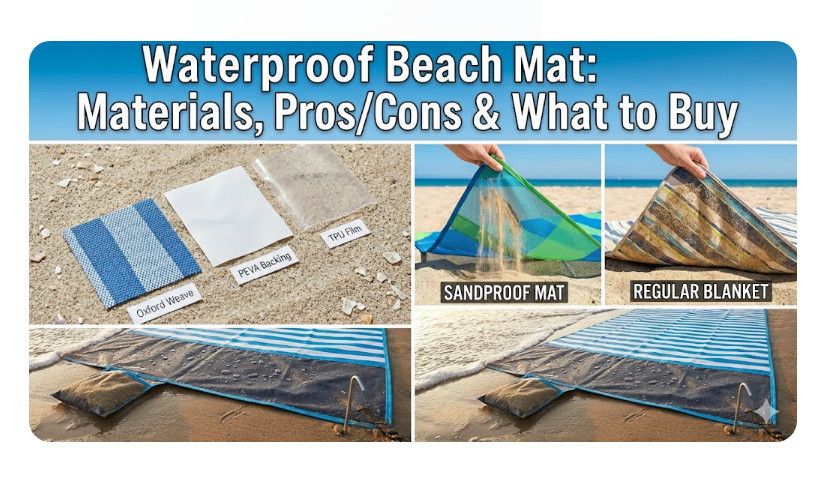
A waterproof beach mat normally uses a barrier layer such as PEVA, PE, TPU, PVC-coated fabric, or a laminated backing to stop moisture from passing through. A water-resistant mat may only repel light splashes. Buyers should define the claim before choosing material.
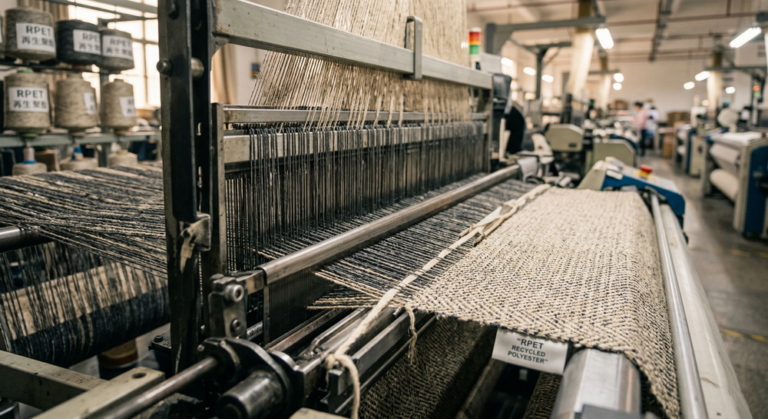
What should buyers compare?
The top fabric controls touch, print, sand behavior, and style. The backing controls the waterproof function. The fold system controls retail packing and travel use. A good sample brief should include all three.
Polyester is common because it gives buyers print flexibility, price control, and light weight. Oxford fabric can be useful when the buyer wants more structure. Recycled polyester can support sustainability positioning when the market values it. PEVA or PE backing can add waterproof function, but the buyer should also consider noise, folding feel, and how the mat looks after repeated packing.
| Material route | Best for | Main risk | Buyer note |
|---|---|---|---|
| Polyester top + PEVA backing | Beach and picnic retail | Can feel plastic if poorly balanced | Good for waterproof beach mat programs |
| Oxford fabric + PE backing | Outdoor picnic and camping | Heavier folded size | Better when durability matters more than compact packing |
| Recycled polyester top | Sustainability-focused retail | Needs clear certification plan | Useful for private label eco positioning |
| Woven sand-free structure | Sand-friendly beach use | Not always soft or waterproof enough | Confirm comfort and backing separately |
My sourcing view
I like to separate the product into four decisions: top fabric, backing, folding method, and windproof detail. If the buyer only says "waterproof", the factory may choose a backing that solves moisture but creates a bulky, stiff, or noisy mat.
For beach use, I usually prefer a construction that stays light and compact. For picnic use, I can accept more weight if the buyer needs comfort and stronger waterproof backing. For resort or gift channels, packaging and carrying method can matter as much as the fabric.
Should a waterproof beach mat also be sandproof?
A buyer may want one product to solve every beach problem. That is possible only if the material and construction are chosen with care.
A waterproof beach mat is not automatically sandproof. Sandproof performance usually comes from a smooth or tight surface, easy-shake fabric, low-trap seams, and a beach-ready folding design. Buyers should test sand release and waterproof backing as two separate functions.
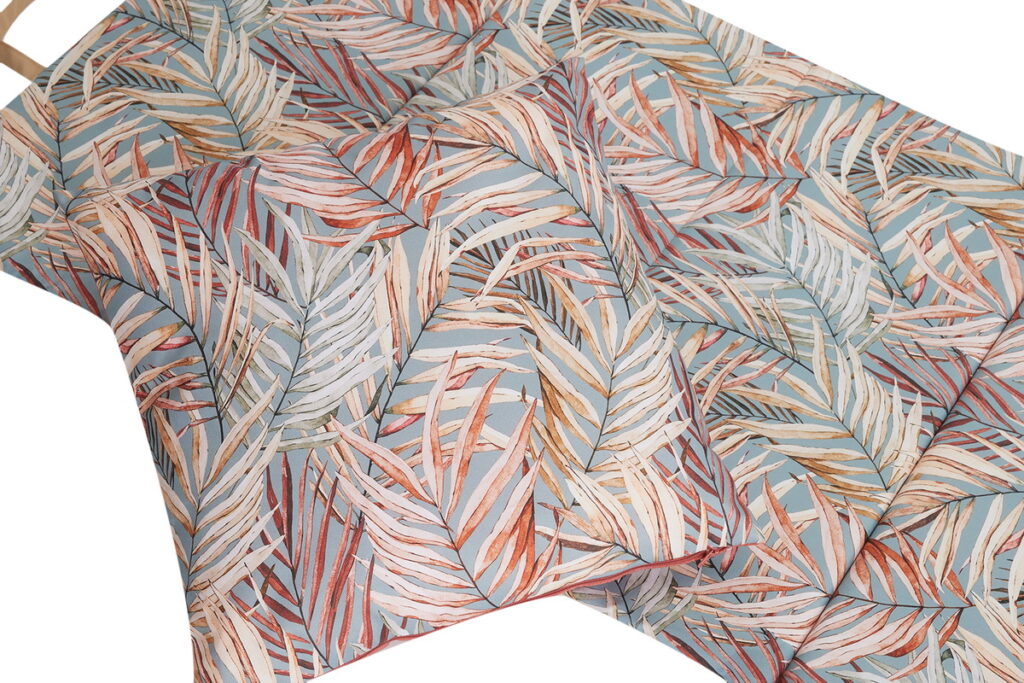
What changes the final choice?
Sand can get trapped in raised texture, soft filling, open seams, and bulky quilted construction. This is why a picnic blanket can be comfortable in a park but frustrating on a beach. If the product is sold mainly for sand use, the buyer should avoid overbuilding the mat with heavy padding unless comfort is the main selling point.
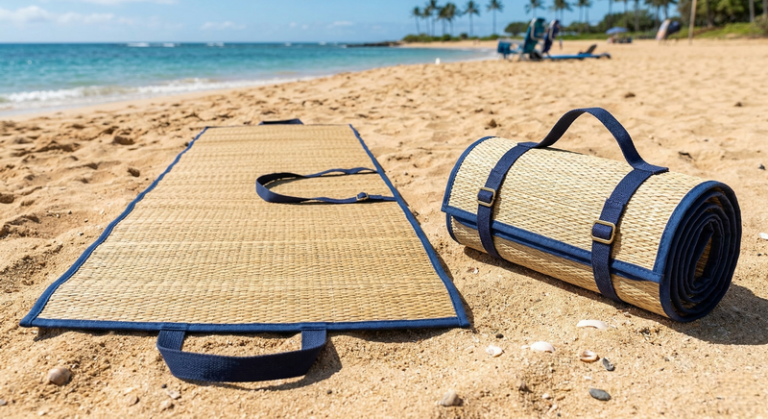
Windproof details also change the decision. Some mats need ground stakes. Some use corner pockets that can be filled with sand. Some use a carry bag or strap that also becomes part of the retail display. These details are small, but they help the consumer feel the product was designed for the beach, not only renamed from a picnic blanket.
| Feature | Why buyers ask for it | What to verify |
|---|---|---|
| Waterproof backing | Blocks wet sand or damp ground | Material, seam, and lamination quality |
| Sandproof surface | Makes cleanup easier | Fabric texture and sand release test |
| Compact folded size | Fits travel and resort retail | Fold method, strap, bag, and carton size |
| Windproof corners | Reduces blow-away complaints | Stakes, pockets, loops, and durability |
What should buyers confirm before sampling a waterproof beach mat?
Buyers should confirm use scene, open size, folded size, top fabric, waterproof backing, sandproof function, windproof detail, packaging, MOQ, and target price before sampling. This keeps the quotation realistic and reduces repeated sample changes.
- Use scene: beach, resort, travel, camping, picnic, park, or gift.
- Open size: single, couple, family, oversized, or custom.
- Folded size: pouch, strap, carry bag, or compact fold.
- Top fabric: polyester, recycled polyester, Oxford, ripstop, woven, or microfiber.
- Backing: PEVA, PE, TPU, PVC coating, laminated backing, or water-resistant finish.
- Windproof detail: stakes, corner pockets, loops, weighted edges, or no windproof feature.
- Packaging: hangtag, belly band, pouch, drawstring bag, carton mark, or retail box.
- MOQ: test order, small-batch private label, or full retail launch.
My sourcing view
I do not suggest that every buyer choose the heaviest waterproof build. A beach mat that is too heavy may be harder to sell for travel. A mat that is too light may disappoint picnic customers who expect comfort.
The better question is: what problem does the buyer want the mat to solve first? If the answer is "easy beach travel", the sample should stay light and compact. If the answer is "family picnic comfort", the sample can be heavier and more structured.
When should buyers choose a private label waterproof beach mat program?
Buyers should choose a private label program when they need custom size, custom print, matching packaging, stable materials, and a repeatable beach product line instead of a generic stock mat.
| Buyer situation | Recommended choice | Why it works |
|---|---|---|
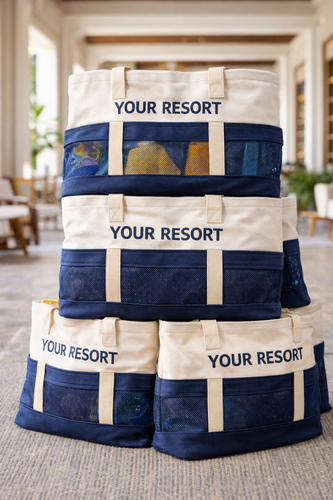
| Resort shop | Compact waterproof beach mat with branded pouch | Easy to carry and strong souvenir value |
| Retail chain | Multiple sizes with shared print direction | Creates shelf consistency and price tiers |
| E-commerce brand | Lightweight waterproof beach mat with clear feature copy | Makes online decision easier |
| Picnic/outdoor seller | Thicker mat with stronger backing | Better for grass, park, and family use |
How does this connect to a full beach product line?
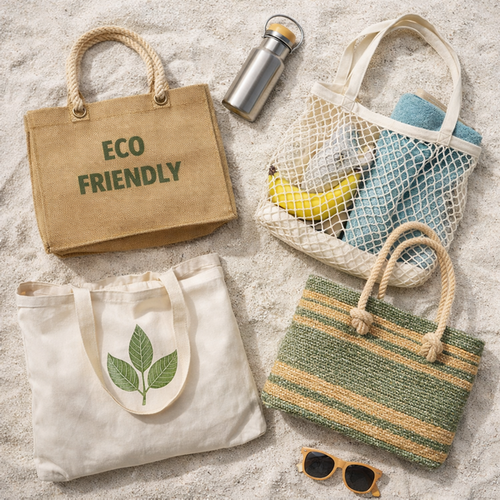
A waterproof beach mat can work alone, but it becomes stronger when it belongs to a full beach product collection. A buyer can match the mat with beach bags, cooler bags, beach towels, picnic blankets, and packaging. This makes the retail offer easier to understand.
This is why I connect waterproof beach mat sourcing to LISO's Beach Day Essentials Solution. The page is built for buyers who want custom beach mats, beach bags, towels, cooler bags, and private label beach collections under one development plan.
For buyers comparing weight and travel use, the lightweight beach mat guide is the next useful article. For buyers focused on sand, the sandproof beach mat guide explains why fabric texture and construction matter.
FAQ
Is a waterproof beach mat the same as a picnic blanket?
No. A waterproof beach mat is usually lighter, easier to fold, and more focused on sand use. A picnic blanket may be thicker and more comfortable for grass or park use.
What backing is common for a waterproof beach mat?
PEVA, PE, TPU, PVC-coated fabric, and laminated backings are common routes. The right choice depends on price, folding feel, market claim, and durability target.
Can a waterproof beach mat be made with recycled polyester?
Yes. Recycled polyester can be used for the top fabric or part of the construction. Buyers should confirm GRS or other documentation if sustainability claims matter.
What MOQ should buyers expect for custom beach mats?
MOQ often starts around 300 pieces per style, but it depends on size, fabric, print, backing, packaging, and whether the buyer needs a private label beach collection.
Conclusion
A waterproof beach mat should be designed around the real use scene, not only the word waterproof. Material, backing, fold, and sand behavior all matter.
<p>If you are sourcing a reliable <a href="https://lisohome.com/product/beach-day-essentials/sand-free-waterproof-beach-mat/">custom beach mat manufacturer</a>, LISO offers OEM and private label production with MOQ from 200 units and samples ready within 10 days. <a href="https://lisohome.com/product/beach-day-essentials/sand-free-waterproof-beach-mat/">Request a free quote →</a></p> <!-- liso-day24-ob-internal-link:waterproof-beach-mat-materials-pros-cons-what-to-buy->foldable-beach-mat --> <p>Once the material route is clear, compare <a href="https://lisohome.com/foldable-beach-mat-for-travel-guide/">foldable beach mat sizes</a>, waterproof backing, straps, folded packing and MOQ before preparing the sample request.</p>