UV Resistant Outdoor Fabric: What Should Patio Cushion Buyers Check?
Outdoor fabric can look perfect in a sample room and still fade fast outside. That gap creates returns, complaints, and weak repeat orders.
UV resistant outdoor fabric should be judged by fiber type, dye method, light fastness, color fastness, coating, end use, and test target. For patio cushions and covers, buyers should confirm sunlight exposure, poolside chlorine risk, color standard, MOQ, and sample approval before bulk production.
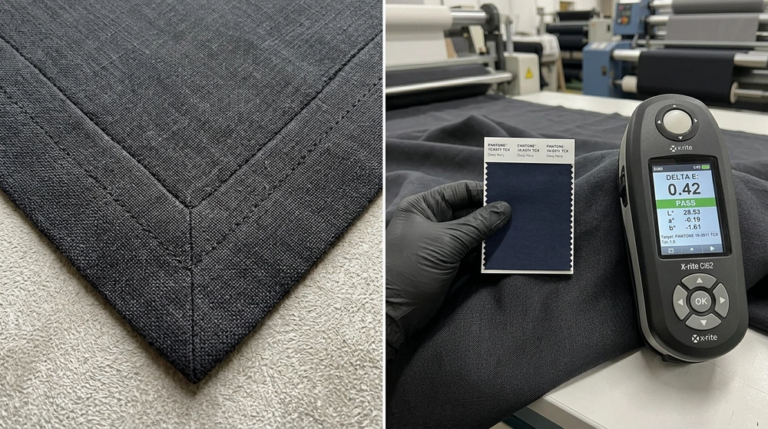
I do not treat outdoor fabric as one simple material choice. I treat it as a risk control decision. A buyer is not only choosing a fabric handfeel. The buyer is choosing how much sunlight, water, rubbing, washing, pool contact, and retail return pressure the product can handle.
This is why I prefer to discuss UV resistant outdoor fabric early, before the buyer locks the print, target price, and sample. When this topic is delayed, the buyer may approve a beautiful sample that cannot survive the real use scene.
Why does UV resistant outdoor fabric matter for patio cushion buyers?
Sunlight is not only a color issue. It also affects fabric strength, print stability, coating life, and the way customers judge quality after one season.
Patio cushion buyers need UV resistant outdoor fabric because cushions sit under direct sun for long periods. If the fabric is weak, the product may fade, become brittle, or look old before the frame or filling fails. This hurts reviews, reorder confidence, and brand trust.
What should buyers compare?
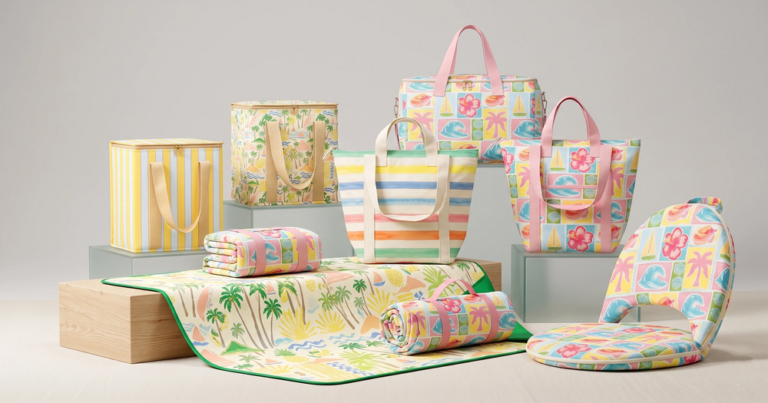
The first comparison should not be only polyester versus acrylic versus olefin. That is too simple. A buyer also needs to ask how the color is added, whether the fabric is solution dyed or printed, what coating is used, and what market the cushion will enter.
For example, solution-dyed acrylic is often used for higher-end outdoor furniture because the pigment is built into the fiber. Solution-dyed polyester can be a practical option when the buyer needs better price control. Printed polyester can work for seasonal or decorative programs, but the buyer should be clear about the expected outdoor life. Olefin can be attractive for moisture resistance and value, but color, heat, and handfeel still need review.
| Fabric route | Best for | Main risk | Buyer note |
|---|---|---|---|
| Solution-dyed acrylic | Premium patio cushions and long outdoor display | Higher cost | Strong option when color life is the main concern |
| Solution-dyed polyester | Mid-price patio cushions and covers | Must verify UV target | Good balance when price and performance both matter |
| Printed polyester Oxford | Seasonal cushions, covers, storage bags | Faster fading if poorly specified | Use when price matters and test expectations are clear |
| Olefin or polyolefin | Outdoor cushions and casual furniture | Heat and color selection need care | Useful when moisture and value are important |
My sourcing view
When I help a buyer compare fabric, I first ask where the product will be used. A patio cushion for a shaded balcony is not the same as a cushion near a hotel pool. A furniture cover for storage is not the same as a decorative pillow that must keep a print story consistent across a collection.
I also ask whether the buyer needs one item or a full outdoor patio textile program. If the buyer plans cushions, chair pads, bench pads, covers, and poufs in the same color story, color consistency becomes just as important as UV resistance. A weak dye lot can make the whole collection look cheap.
Is color fastness the same as UV resistance?
Many buyers use these words together, but they do not mean the same thing. This confusion creates bad sampling decisions.
Color fastness is a wider idea. It can include light, washing, rubbing, water, and chlorinated pool water. UV resistance focuses on sunlight exposure. For outdoor cushions, buyers should discuss both, because a product may face sun, sweat, rain, cleaning, and poolside contact.
What changes the final choice?
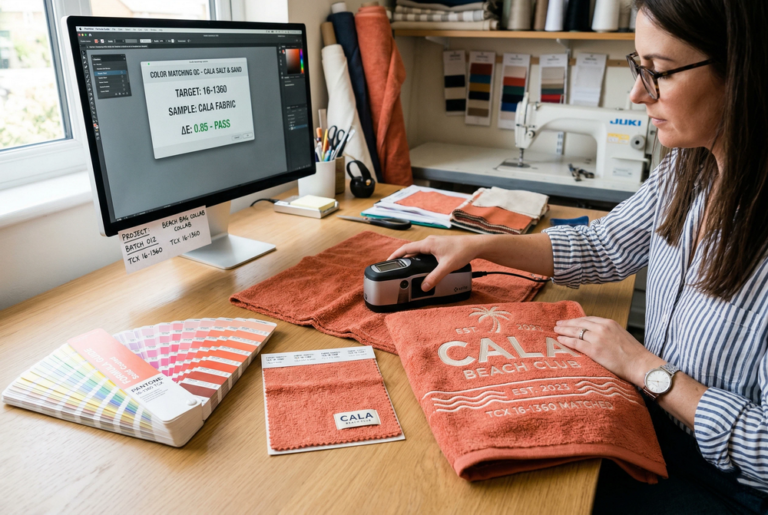
The final choice changes when the buyer defines the risk scene. A cushion used at home may only need good light fastness and water resistance. A cushion used around a pool may also need concern for chlorinated water. A hotel or resort program may need stronger documentation because the product will be used by many guests and cleaned often.
Industry test language can help buyers ask better questions. AATCC 162 is related to colorfastness to chlorinated pool water. ISO 105 is often used in discussions around color fastness. UV exposure tests may use different methods depending on the lab and buyer requirement. The point is not to throw test names into every order. The point is to decide which test target fits the real product.
| Risk scene | What to ask | Why it matters |
|---|---|---|
| Full sun patio | Light fastness and UV exposure target | Helps reduce fading complaints |
| Poolside seating | Chlorinated water and rubbing risk | Pool water can speed visible color problems |
| Retail collection | Batch color control and approved samples | Keeps different SKUs looking consistent |
| Furniture cover | Coating, seam, and water resistance | Protects the product and the product underneath |
What should buyers confirm before sampling UV resistant outdoor fabric?
Buyers should confirm product use, target price, fabric route, color standard, test expectation, MOQ, packaging, and reorder plan before sampling. This helps the factory choose a realistic material instead of guessing from a picture.
- Product type: patio cushion, chair pad, bench pad, cover, pouf, or bag.
- Use scene: balcony, garden, poolside, hospitality, retail, or e-commerce.
- Fabric route: solution-dyed acrylic, solution-dyed polyester, printed polyester, olefin, or coated Oxford.
- Color method: yarn color, piece dye, digital print, screen print, or solid fabric.
- Test target: light fastness, rubbing, wash, water, chlorine pool water, or buyer-specific test.
- MOQ: small-batch test, normal bulk order, or large-volume production.
- Packaging: hangtag, belly band, carton mark, barcode, or retail display pack.
- Reorder plan: one-season launch or repeating color collection.
My sourcing view
I do not recommend the highest specification for every project. That sounds safe, but it can make the product too expensive for the retail channel. I prefer to match the fabric to the promise the brand makes to the customer.
If the brand says the cushion is for full sun and long outdoor use, then the fabric choice must support that claim. If the product is a seasonal decorative cushion for a price-driven retailer, the buyer can choose a different route, but the product page and packaging should not overpromise.
When should buyers choose a stronger outdoor fabric solution?
Buyers should choose a stronger fabric solution when the product will sit in strong sun, near pool water, in hospitality use, or inside a coordinated collection where color consistency affects brand trust.
| Buyer situation | Recommended choice | Why it works |
|---|---|---|
| New brand testing a patio line | Low MOQ outdoor cushions with clear fabric tier | Reduces inventory risk while keeping quality visible |
| Resort or hotel poolside use | UV and chlorine risk planning | Reduces fading and after-sales complaints |
| Retailer building a collection | One fabric and color control system | Keeps cushions, chair pads, and covers consistent |
| High-volume importer | Scalable fabric and production route | Helps control unit cost and reorder timing |
How does this connect to a full outdoor patio product line?
UV resistant outdoor fabric should not sit alone as a technical detail. It should support the whole patio range. When the same fabric strategy connects cushions, chair pads, furniture covers, storage bags, and poufs, buyers can build a cleaner retail story.
That is the reason I connect this topic to LISO's Outdoor Patio Living Solution. The solution page is designed for buyers who need more than one cushion. It supports private label outdoor cushions, patio cushion sets, chair pads, covers, and coordinated outdoor textile collections.
For buyers who are still deciding what to buy first, the 2026 outdoor patio buying guide is a useful next step. For buyers who need collection structure, the coordinated outdoor cushion collection guide explains how one color story can become several SKUs.
FAQ
Is UV resistant outdoor fabric always waterproof?
No. UV resistance and waterproofing are different functions. A fabric can resist sunlight but still need DWR, coating, backing, or an inner liner for water resistance.
What is the best fabric for outdoor patio cushions?
The best fabric depends on price, sun exposure, comfort, color target, and channel. Solution-dyed acrylic, solution-dyed polyester, olefin, and coated polyester can all work when matched to the right product promise.
Should buyers ask for chlorine resistant outdoor fabric?
Buyers should discuss chlorine risk when cushions are used near pools. Pool water can affect weak color systems, so this question is important for resorts, hotels, and poolside patio products.
What MOQ should buyers expect for custom outdoor cushions?
Many custom outdoor cushion programs start around 300 pieces per style. MOQ can change based on fabric, print method, foam, packaging, and whether the buyer needs a full coordinated collection.
Conclusion
UV resistant outdoor fabric is not a buzzword. It is a sourcing decision that protects color, reviews, reorders, and the buyer's patio collection.
<p>If you are sourcing a reliable <a href="https://lisohome.com/product/outdoor-patio/custom-outdoor-cushions/">outdoor cushion OEM manufacturer</a>, LISO offers custom patio cushions with waterproof fabrics, MOQ from 200 units, and samples ready within 14 days. <a href="https://lisohome.com/product/outdoor-patio/custom-outdoor-cushions/">Request a free quote →</a></p>