Packing cube set development
Custom Packing Cubes for Private Label Travel Programs
Develop packing cube and organizer sets around suitcase size, traveler type, piece mix, visibility, compression route, zipper construction, branding and retail presentation.
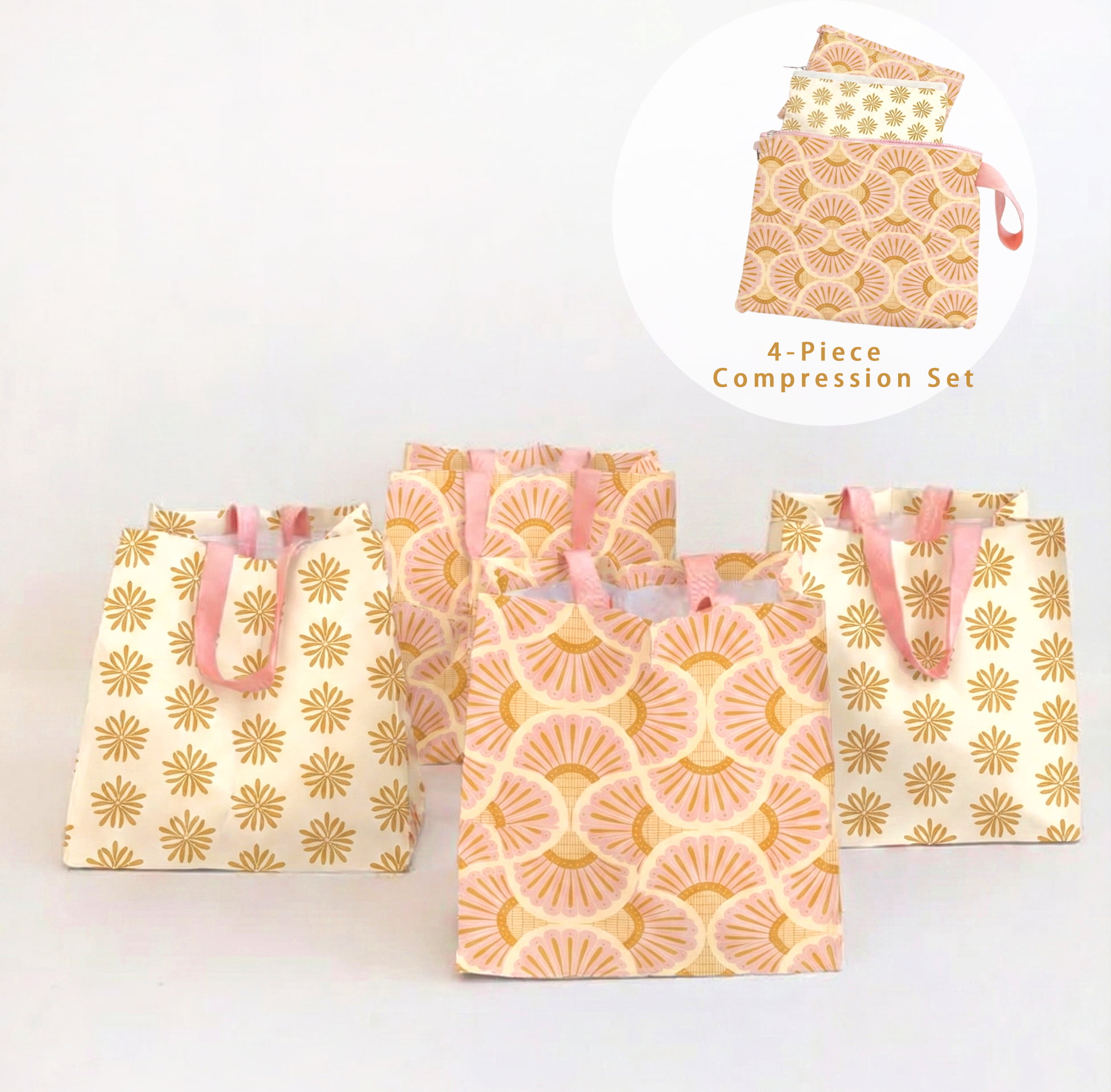
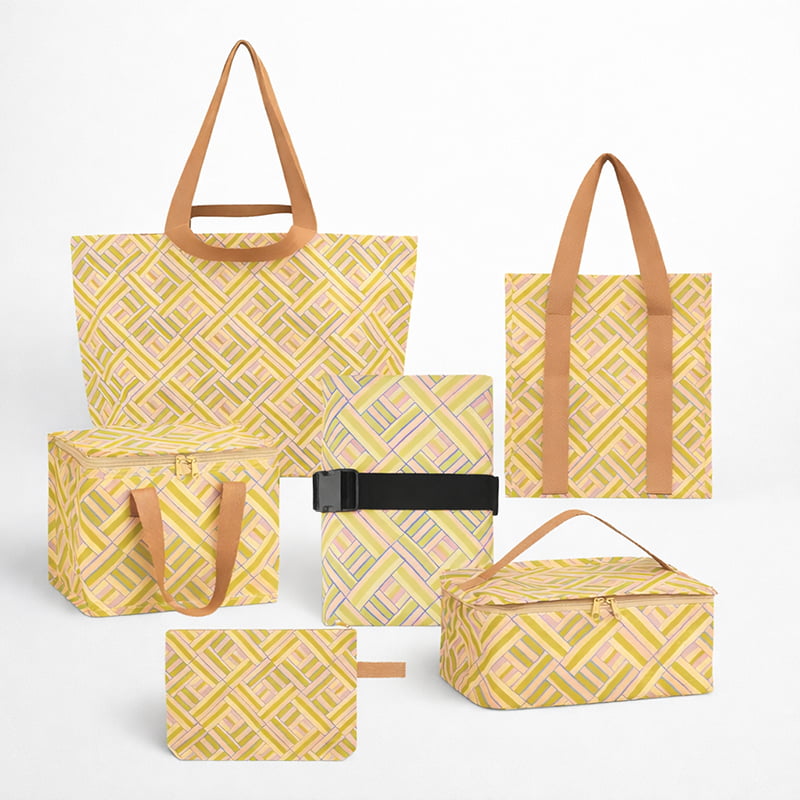
The LISO images show 4-piece, 6-piece and mesh-panel development directions. Final set composition, materials, quantities, timing and performance criteria are approved per project.
Product architecture
Choose the organizing job before the piece count
Retail listings often lead with the number of pieces. A production brief should lead with the suitcase, traveler, contents and price position.
Set Architecture
Define piece count, size ratios and traveler type before choosing one large list of dimensions.
Plan the set →Compression Route
A secondary zipper and loaded seam path change the cube construction; compression is not the same as vacuum packing.
Compare construction →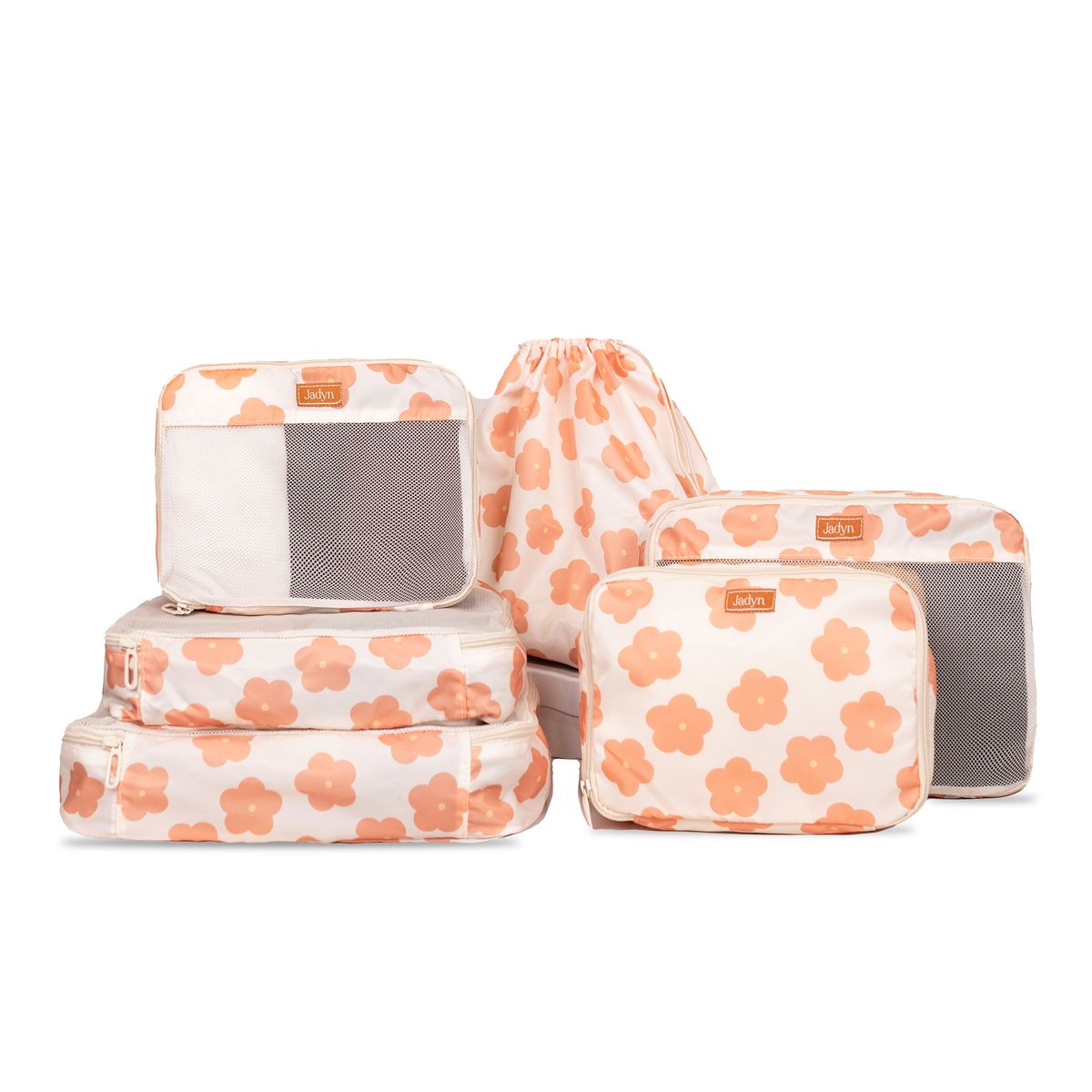
Mesh & Visibility
Mesh area changes visibility, ventilation, print area and tear-risk decisions around the panel seam.
Review the panels →Set planning
Give every piece a distinct role
Large, medium and small cubes can be combined with a shoe, laundry or accessory direction when the target user and retail price justify it. The images are concept references; the final mix is confirmed in the project specification.
Compression vs organization
Compression changes the load carried by the zipper and seams
A non-compression cube organizes. A compression design adds a closing path intended to reduce bulk. The brief must define whether compression is required and how the loaded sample will be reviewed; no universal space-saving percentage is assumed.
Non-compression
Focus on organization, access, visibility, low weight and easy packing.
Compression
Review secondary zipper path, corner geometry, seam loading and fabric stability on a loaded sample.
Clean / dirty route
Separate compartments or dedicated pieces change lining, ventilation, closure and care decisions.
Material and components
Do not let a fiber name replace the component specification
Record outer fabric, mesh, coating or finish, zipper size/type, puller, binding, handle, seam route, print area and labels. A mesh panel may improve visibility while also creating a different seam and tear-risk boundary.
Panel system
Outer fabric, mesh ratio, binding and corner shape should be approved together.
Closure system
Main zipper, compression zipper, puller and end stops are separate component decisions.
Development workflow
Approve the whole set, not one isolated cube
Range brief
Traveler, suitcase, price position, piece roles and quantity range.
Set engineering
Dimensions, nesting, mesh, zippers, handles, labels and artwork.
Loaded sample
Access, zipper route, seam behavior, visibility and packing presentation.
Bulk control
Approved BOM/specification, checkpoints, set assembly and cartons.
Packing cube RFQ
Describe the traveler and the set
- Target suitcase, trip and traveler
- Piece count and role of each piece
- Compression or non-compression route
- Outer fabric, mesh and care priority
- Zipper, handle, labels and branding
- Retail packing, quantity range and market
Buyer questions
Frequently asked before sampling
How many pieces should a packing cube set include?
There is no universal answer. The piece mix should match the suitcase, traveler, product roles, retail price and packing presentation.
Do compression cubes always save the same percentage of space?
No. The result depends on contents, fill level, construction and how the comparison is measured. Approve a project-specific loaded sample instead of a universal percentage.
Does mesh make a cube more durable?
Mesh changes visibility and ventilation, but its yarn, opening, panel size, binding and seam construction must be evaluated as a system.
Can every piece use the same logo size?
Usually the brand system should stay consistent, but placement and scale may need to change across different panel sizes.
What controls the first quotation?
Set composition, dimensions, material, mesh, zipper route, branding, labels, packing, quantity range and destination market.
Build a packing system, not a random piece count
Start with the suitcase, traveler and piece roles, then approve the component system.