Introduction
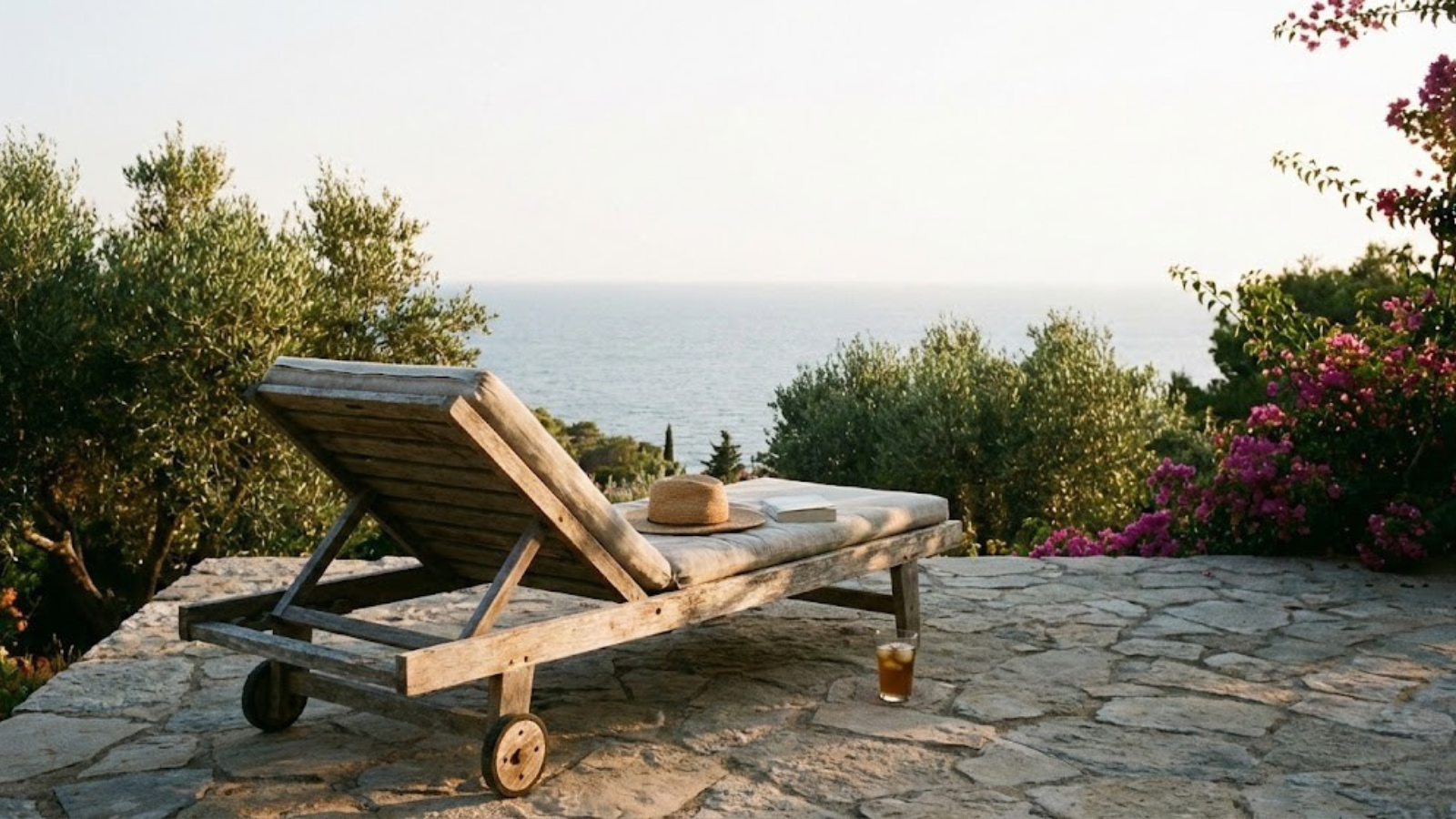
A hotel sun lounger cushion is not just an accessory—it directly affects guest experience, brand perception, and maintenance cost.
In high-UV, high-humidity environments such as resort pools, beachfront hotels, and rooftop terraces, standard outdoor cushions often fail within 6–12 months. According to hospitality maintenance data, UV exposure and moisture are the top two causes of outdoor soft furnishing replacement. [📊 Cite: Hospitality outdoor furnishing lifecycle reports]
For hotel procurement managers and hospitality contractors, the real challenge is balancing aesthetics, durability, and total cost of ownership (TCO). This guide addresses the three most common industry pain points and provides professional solutions.
1. The 3 Biggest Problems with Hotel Sun Lounger Cushions
The majority of hotel sun lounger cushion failures fall into three categories: fading, false waterproof claims, and filling deformation.
1.1 Low Color Fastness (UV Fading)
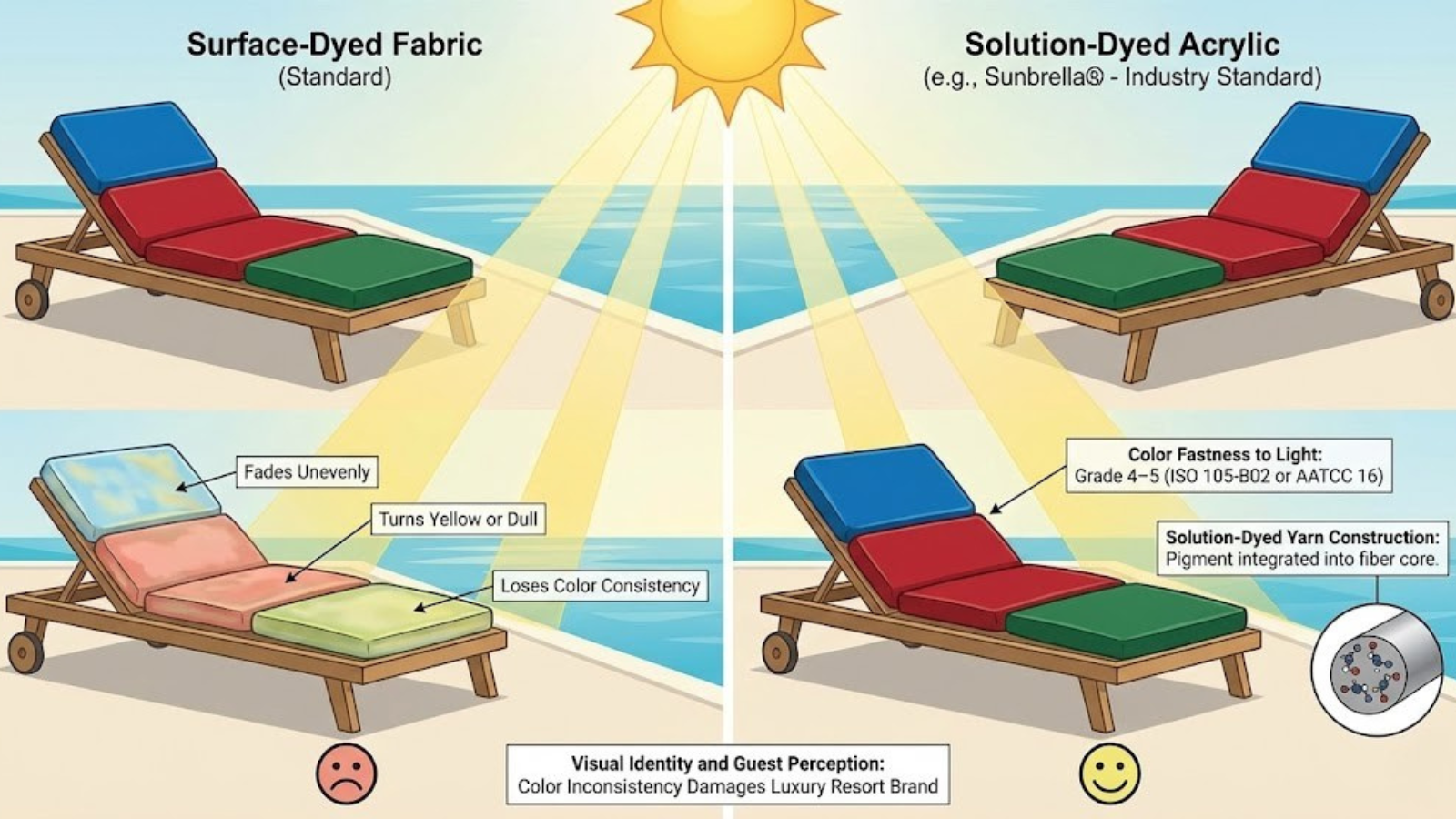
Most low-cost outdoor fabrics are piece-dyed polyester. The pigment sits on the surface, making it vulnerable to UV degradation.
After continuous sun exposure, cushions:
- Fade unevenly
- Turn yellow or dull
- Lose brand color consistency
For luxury resorts, color inconsistency across poolside loungers damages visual identity and guest perception.
Industry Standard to Look For:
- Color fastness to light: Grade 4–5 (ISO 105-B02 or AATCC 16)
- Solution-dyed yarn construction
Solution-dyed acrylic (e.g., Sunbrella®) integrates pigment into the fiber core, significantly improving UV resistance.
1.2 “Water-Repellent” Is Not Waterproof
This is one of the most misunderstood areas in hotel sun lounger cushion procurement.
Most suppliers advertise “waterproof fabric,” but in reality, they provide water-repellent fabric with a surface coating.
Here’s the difference:
| Property | Water-Repellent | Water-Resistant | Waterproof |
|---|---|---|---|
| Surface spray test | Passes short exposure | Moderate resistance | Fully blocks penetration |
| Back coating | None | PU coating | TPU/PVC lamination |
| Hydrostatic pressure rating | <300mm | 300–1000mm | 1000mm+ |
| Suitable for heavy rain | ❌ | ⚠️ | ✅ |
Many hotel sun lounger cushions only resist light splashes. After heavy rain, water penetrates seams and fabric backing, soaking the foam.
This leads to:
- Mold growth
- Bad odor
- Increased replacement frequency
True commercial-grade cushions require:
- Laminated waterproof membrane (TPU preferred for flexibility)
- Seam sealing or internal waterproof liner
- Quick-dry internal structure
2. Fabric Selection: What Truly Works for Hospitality Projects
The best fabric for hotel sun lounger cushion applications must meet five criteria: UV resistance, waterproof performance, mildew resistance, abrasion resistance, and color stability.
2.1 Recommended Commercial Fabric Types
Option 1: Solution-Dyed Acrylic
- Excellent UV resistance
- Soft hand feel
- Premium appearance
- Higher cost
Ideal for 4–5 star resorts.
Option 2: High-Density Polyester with TPU Lamination
- Better cost-performance ratio
- True waterproof backing
- Good structural strength
Suitable for large-scale hospitality projects and wholesalers.
2.2 Important Technical Specifications
Procurement managers should request:
- UV resistance test report
- Hydrostatic pressure test result
- Fabric weight (200–300gsm recommended)
- Martindale abrasion resistance (20,000+ rubs)
Requesting lab reports from SGS or Intertek increases supply chain reliability.
3. Filling Materials: What’s Inside Matters More Than You Think
The core function of a hotel sun lounger cushion filling is structural resilience and moisture management.
Case Study: Resort Pool Renovation Project
A Southeast Asian beachfront resort replaced standard foam cushions twice in 18 months due to mold and collapse.
After switching to:
- Reticulated quick-dry foam
- Waterproof laminated fabric
- YKK marine-grade zippers
Replacement cycle extended to over 4 years.
[📊 Cite: Internal project performance data]
The result: lower maintenance labor, fewer complaints, and stronger brand consistency.
4. How to Specify the Right Hotel Sun Lounger Cushion (Step-by-Step)
A professional specification sheet prevents costly mistakes.
Step 1: Define Environment
- Coastal / high salt exposure
- Poolside / chlorine exposure
- Rooftop / high UV
Step 2: Choose Fabric Grade
- 3-star hotel → Waterproof polyester
- 4–5 star resort → Solution-dyed acrylic + TPU backing
Step 3: Select Filling Density
- Minimum 25kg/m³ for commercial use
- Prefer quick-dry foam for outdoor pool zones
Step 4: Confirm Construction Details
- Removable cover
- Hidden zipper
- Double stitching
- Anti-mildew thread
[🎯 CTA: Request our commercial hotel sun lounger cushion specification checklist for your next project.]
5. Future Trends in Commercial Outdoor Cushions
The hospitality industry is moving toward:
- Sustainable fabrics (recycled solution-dyed yarn)
- Modular cushion systems for easier replacement
- Fire-retardant outdoor materials compliant with CAL 117
- Smart drainage structures integrated into cushion base
Hotels are increasingly evaluating lifecycle cost instead of purchase price alone.
Key Takeaways
- Most hotel sun lounger cushions fail due to fading, fake waterproof fabrics, and poor foam quality.
- Water-repellent is not waterproof—check hydrostatic ratings.
- Quick-dry or reticulated foam significantly extends cushion lifespan.
- Solution-dyed acrylic offers superior UV resistance for luxury hospitality projects.
- Always evaluate total cost of ownership (TCO), not just initial price.
FAQ Schema
Q: What is the best fabric for a hotel sun lounger cushion?
A: Solution-dyed acrylic or high-density polyester with TPU waterproof lamination are the most reliable choices for commercial hospitality use.
Q: Is water-repellent fabric enough for poolside cushions?
A: No. Water-repellent fabrics only resist light splashes. Poolside cushions require waterproof backing and quick-dry foam to prevent mold.
Q: What foam density is recommended for commercial outdoor cushions?
A: A minimum of 25kg/m³ high-density foam is recommended, while quick-dry or reticulated foam offers superior performance.
Q: How long should a hotel sun lounger cushion last?
A: With proper materials, commercial-grade cushions can last 3–5 years in outdoor hospitality environments.
Q: Why do outdoor cushions grow mold?
A: Mold occurs when water penetrates non-waterproof fabric and remains trapped in low-quality foam without proper drainage.
Written by a Commercial Outdoor Cushion Manufacturing Specialist
[🎯 CTA: Contact us to receive fabric samples and technical reports for your upcoming resort or hotel project.]